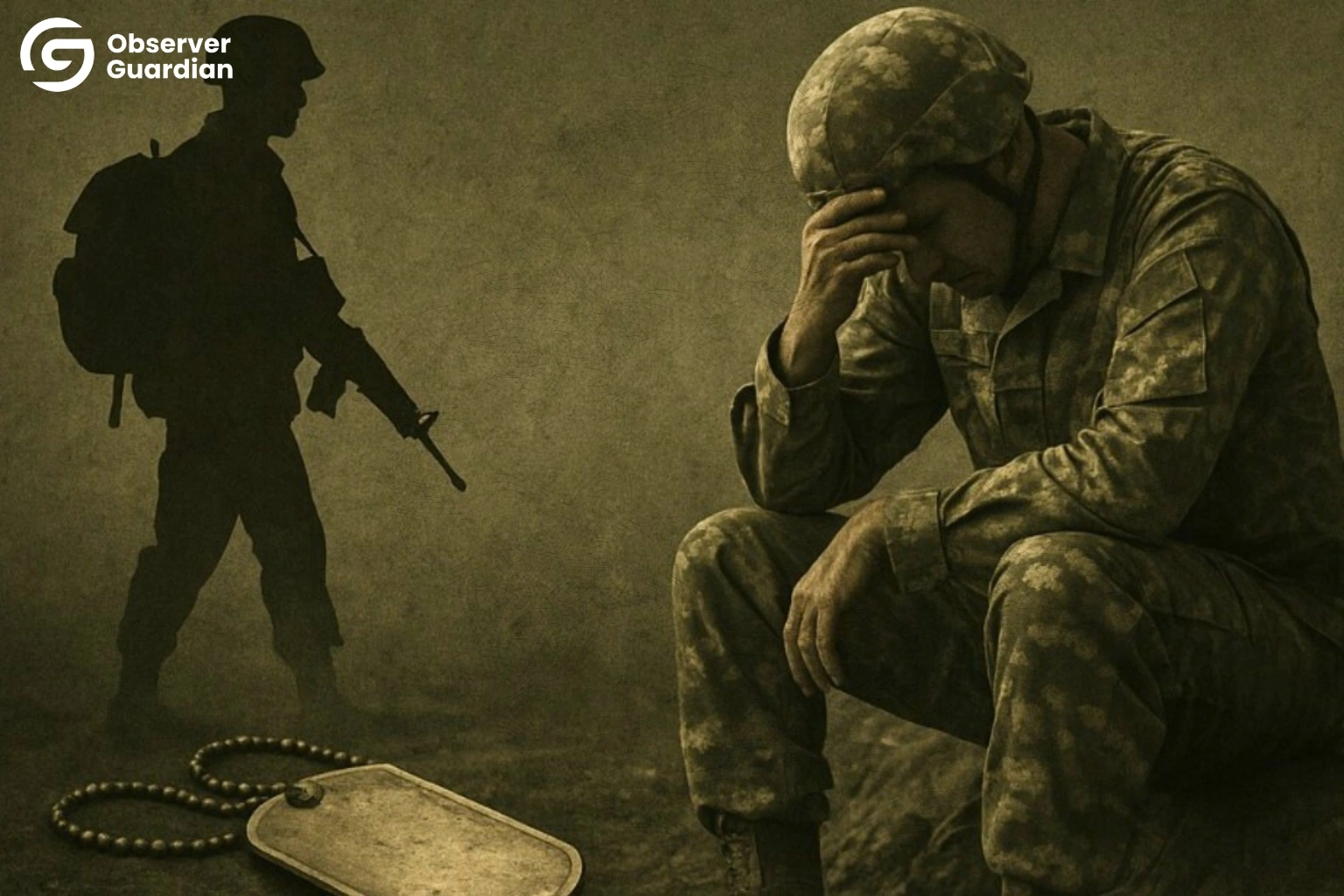

This is not something most people like to talk about, but the numbers speak for themselves. India’s armed forces are losing more soldiers to suicide and mental breakdown than to combat.
Behind the medals, discipline, and pride, there is a quieter kind of suffering which does not get enough attention.
Between 2010 and 2019, more than a thousand defense personnel took their own lives. And this was not a one time spike. From 2013 to 2020, nearly 800 soldiers across the Army, Navy, and Air Force did the same. The trend has not stopped. In the last decade, the Army alone has seen close to a thousand suicides, while the Navy and Air Force together account for hundreds more. It adds up to something chilling that roughly one soldier is dying by suicide or fratricide every three days.
In 2022, the government confirmed that the Army had recorded 642 suicides in just five years. Those are the people in uniform, trusted to protect the country, and they are dying quietly in barracks or remote camps.
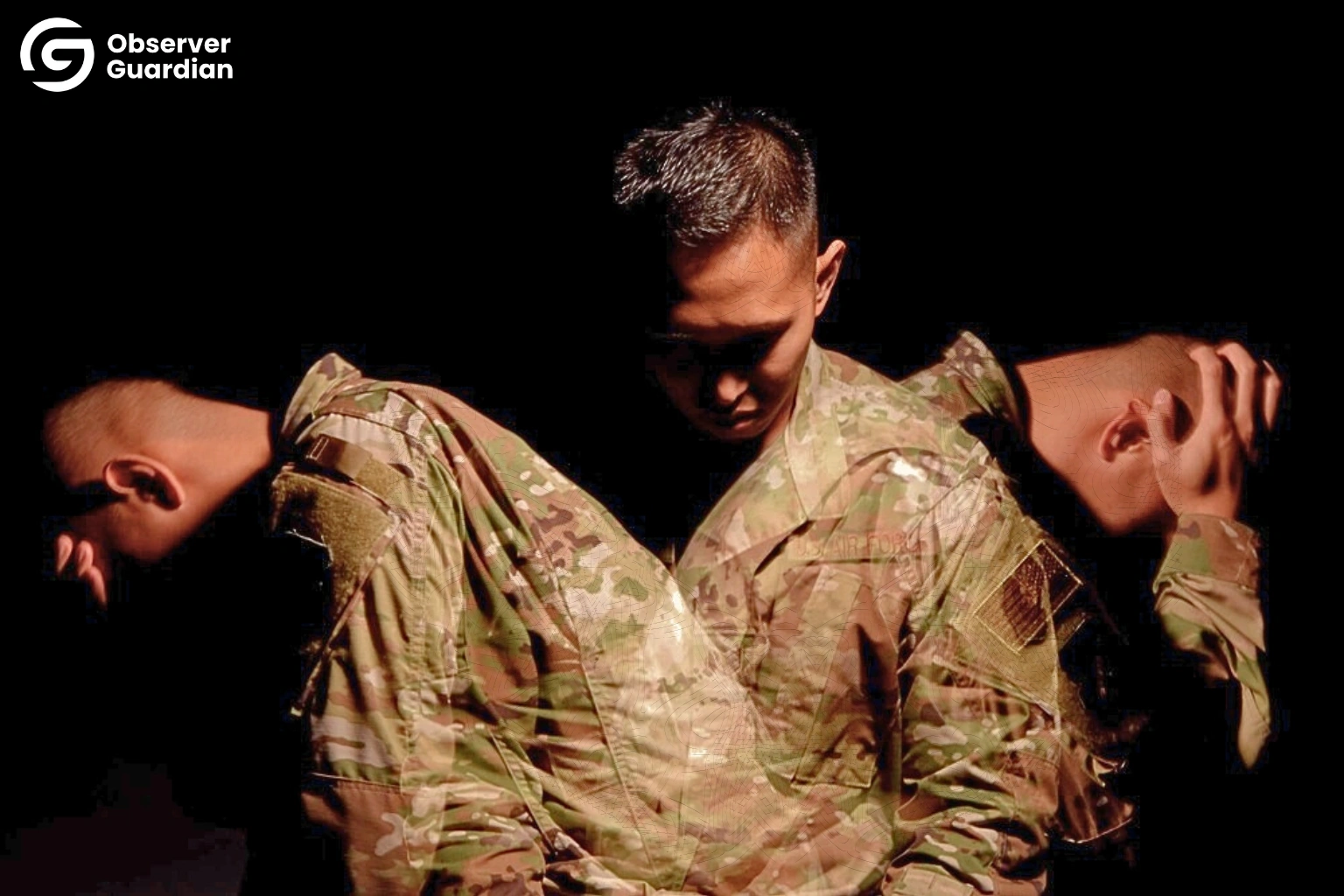
What is breaking them?
Moving forward, it is not a simple thing. The Defense Institute of Psychological Research once pointed out that humiliation and harassment from superiors often become the final straw. A lot of soldiers talk about being scolded or punished unfairly, sometimes publicly. It might sound minor, but when one mixes that with homesickness, isolation, and long deployments, this is too much to tolerate.
Conflict zones like Jammu and Kashmir or the Northeast make it worse. Many troops spend months or even years on the edge of violence, with little rest or mental support. Living under that kind of tension, constantly alert for ambushes or insurgent attacks, wears people down.
Besides, there is the leadership issue. Some officers understand the emotional toll of soldiering, but others do not. There are too many stories of leave being denied for family emergencies, or of seniors treating soldiers like machines instead of humans. Over time, that kind of environment breaks trust and morale.
The slow rise of desertions
Moreover, suicides are not the only sign of trouble. Desertions are creeping up too, especially in sensitive regions like the Indian administered areas of Jammu and Kashmir. Reports say some troops have walked away because of what they describe as “continuous humiliation” and “maltreatment.” There are even claims of poor food supplies and basic needs being ignored. It is not hard to imagine how hopeless someone must feel to abandon their post in a place like that.
Living with less, serving under pressure
Despite a mounting defense budget, the ground reality often looks bleak. Some soldiers talk about substandard rations or inadequate gear. The freezing weather, long hours, and minimal contact with family make things even worse.
Also, when someone finally cracks, the system is not ready to catch them. There are helplines and counseling centers on paper, but very few soldiers actually use them. The stigma around mental health is real. In a culture that values toughness and silence, asking for help feels like weakness.
Many end up internalizing everything until it is too late.
It is not only about money or policy
Furthermore, there is a bigger cultural issue here. The military runs on hierarchy and discipline, and both are essential for survival in war. But those same traits can turn toxic if empathy disappears. Too often, complaints get dismissed as excuses. A soldier who breaks down is labeled as “unfit” instead of “unwell.”
This is where leadership really matters. On one hand, a good officer can spot when someone is struggling, listens without judgment, and still maintains discipline. On the other, a bad one can crush morale for an entire unit.
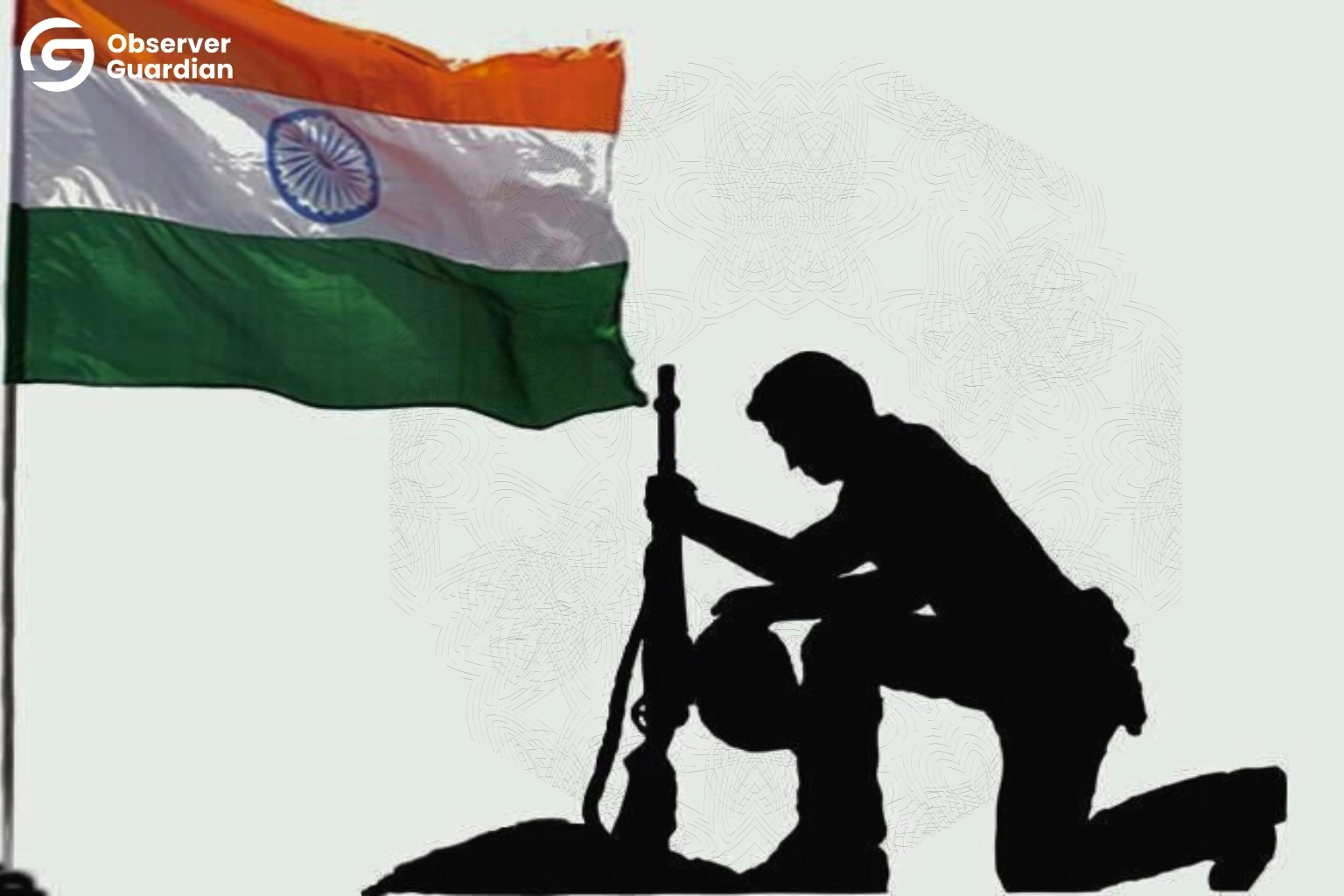
What can actually help?
Real change will not come from another committee report. It will come from honest conversations within the forces about mental health, respect, and what it means to lead. Regular mental check-ins, easy access to counseling, and real accountability for harassment could go a long way.
Similarly, there is also a need for more flexible leave policies and better family support systems. If a soldier knows his concerns will be taken seriously, he is far less likely to feel trapped.
Maybe the biggest shift has to happen in mindset. Courage is not just about facing bullets, but about admitting one is human. If the Army truly values strength, then it should also value vulnerability and care.
The cost of silence
Finally, every time a soldier takes his own life, the loss ripples far beyond his post. His family loses a loved one, his unit loses a member, and the country loses a protector. These deaths do not make headlines like border skirmishes do, but they cut just as deep.
Mental trauma in the armed forces is not an individual weakness it is a collective wound. Ignoring it only makes it worse. If India really respects its soldiers, it owes them more than medals and slogans. The country also owes them humanity.
⚠ Disclaimer
The views and opinions expressed in this article are exclusively those of the author and do not reflect the official stance, policies, or perspectives of the Platform.