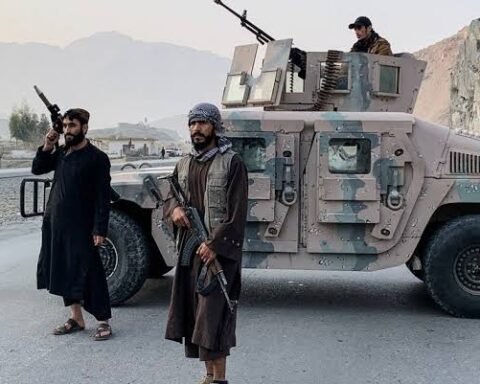

There is growing and deeply concerning evidence that Afghan nationals are involved in terrorist activities within Pakistan. Despite repeated denials by the Taliban regime in Kabul, recent incidents and credible international reports suggest otherwise. Afghanistan, once again, appears to be a base for groups operating against Pakistan.
The Bajaur Operation
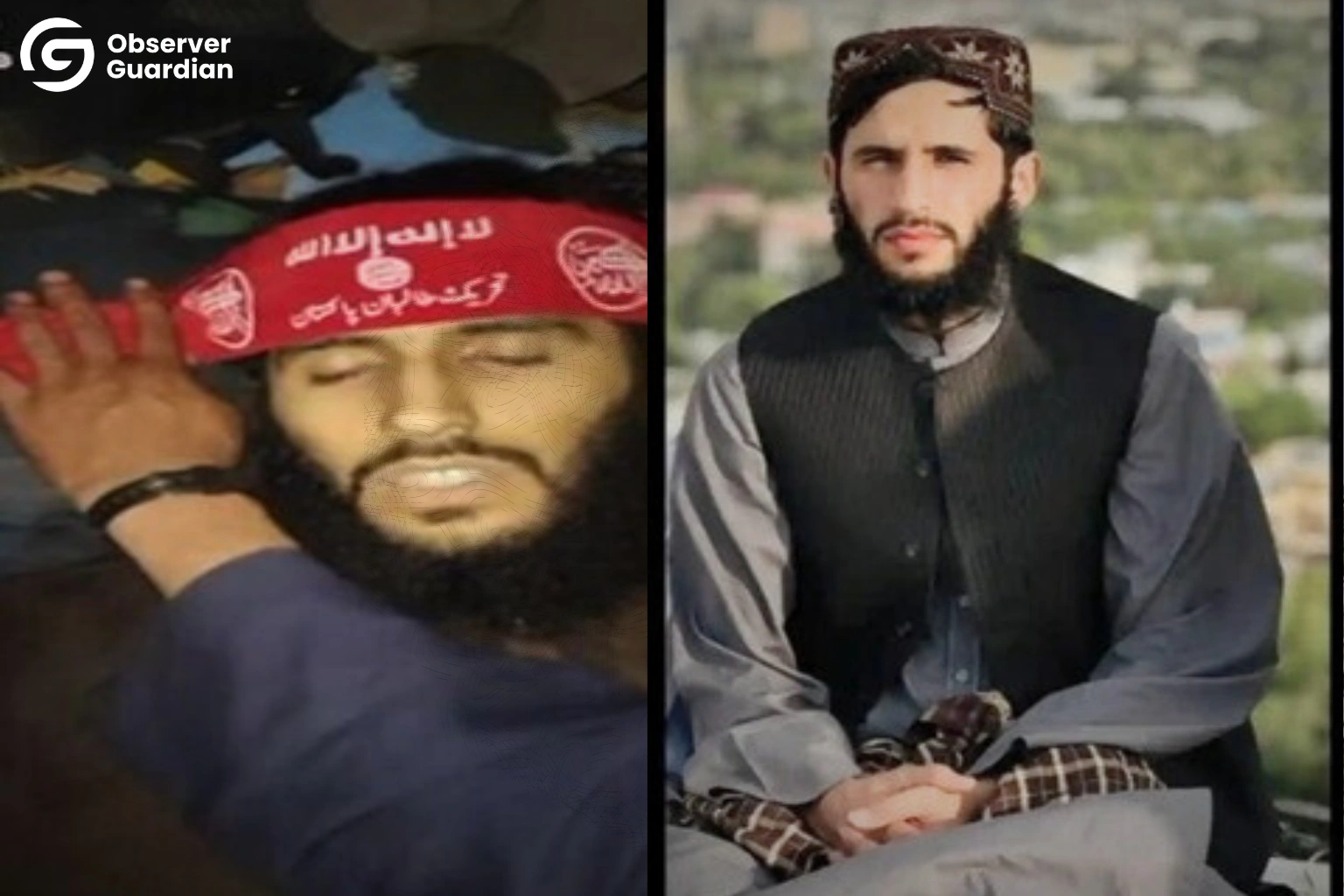
On October 19, Pakistani security forces launched an operation in Bajaur and killed four militants linked to the Tehrik-i-Taliban Pakistan (TTP). Three of them were Afghan nationals, an alarming 75 percent of the group. One of them, Mulla Sadam alias Huzaifa, belonged to Kunduz, Afghanistan. His name spread quickly online as Afghan social media accounts began posting condolences. A funeral ceremony for him was held on October 24 at Jamia Masjid Khama Kari in Kunduz. Another service took place on October 26 in Rennes, France, organized by his relatives there.
However, the second ceremony sparked criticism online. Many were shocked to see a militant glorified in a peaceful European nation, far from where he died fighting inside Pakistan. Following public backlash, the related posts were quietly deleted.
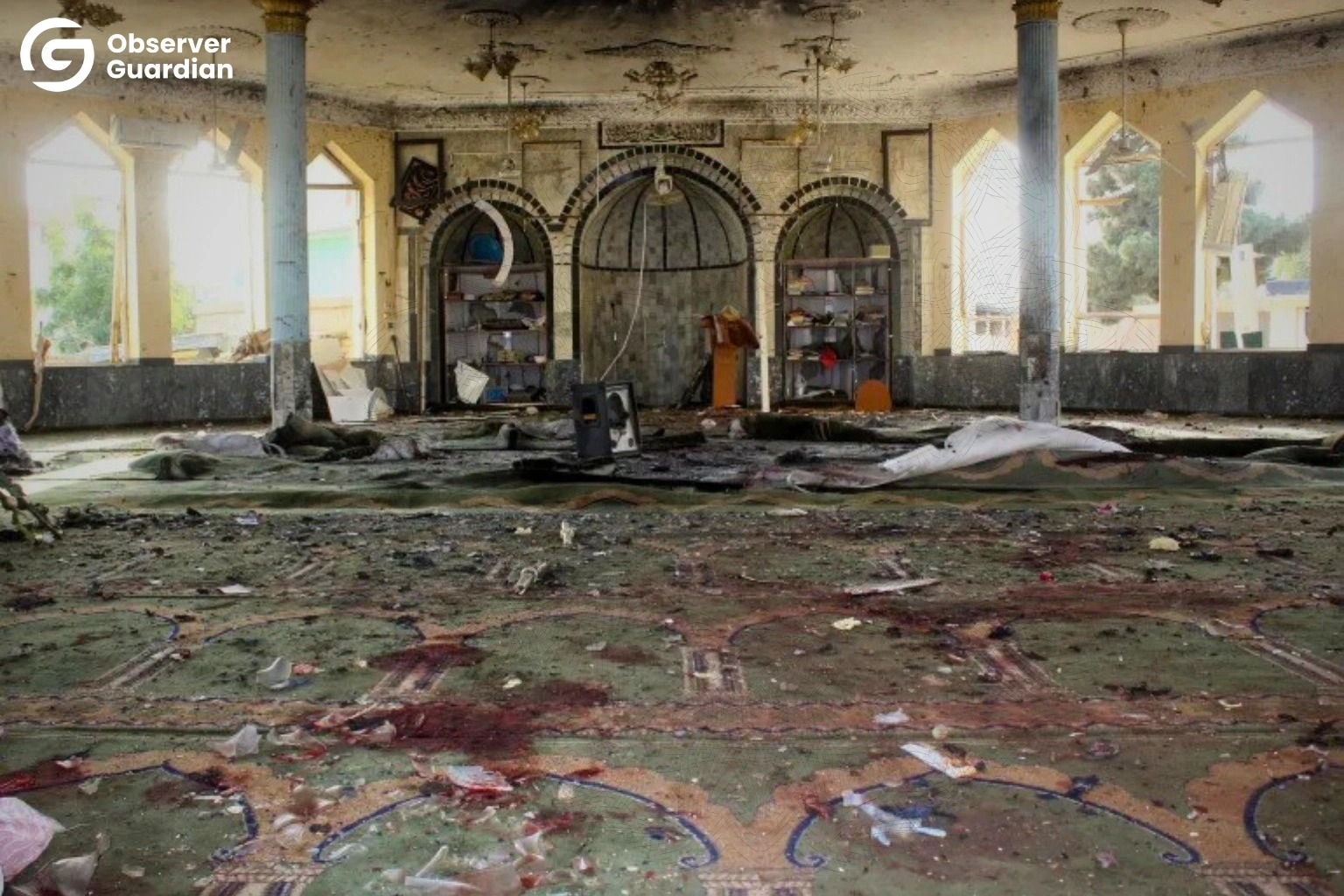
This raises some troubling questions. Why are some Afghans, even those living abroad, celebrating individuals involved in militancy? It reflects a mindset that still romanticizes violence, even among communities in stable societies. Furthermore, it raises a serious concern for France that Are some public spaces, including mosques, being used to glorify extremism? Pakistan, therefore, has reason to raise this matter with French authorities.
A Larger Pattern
The Bajaur incident is not an isolated case. Since the Taliban’s return to power in August 2021, cross-border attacks into Pakistan have sharply increased. Between April and September 2025 alone, security agencies identified 267 Afghan nationals killed while carrying out terrorist activities inside Pakistan. These are verified cases by name and address, though many others remain unconfirmed.
According to recent intelligence, Afghan fighters now make up nearly 70 to 80 percent of militants crossing into Pakistan.
Around 60 TTP camps are believed to operate in Afghan provinces such as Nuristan, Kunar, Nangarhar, Paktika, Khost, and Paktika. TTP leader Noor Wali Mehsud is reportedly living in Kabul under Taliban protection, receiving a monthly stipend of about USD 43,000 while planning attacks.
What Are International Organizations Saying?
The United Nations Security Council’s 36th Monitoring Report (May 2025) reinforces Pakistan’s concerns. It confirms that several groups TTP, ISIS-Khorasan, Al-Qaida, the East Turkistan Islamic Movement, and the Turkistan Islamic Party are active in Afghanistan. The report estimates that TTP has around 6,000 fighters and access to modern weapons and logistical support. It also highlights growing cooperation between TTP and ISIS-Khorasan, as both groups share intelligence and resources. Analysts now describe them as “two sides of the same coin.”
The report even notes a link between the Balochistan Liberation Army (BLA) and the TTP. Both reportedly use training sites in southern Afghanistan, including Walikot and Shorabak, where Al-Qaida instructors provide ideological and weapons training.
In addition, Al-Qaida in the Indian Subcontinent remains active in Afghan provinces such as Ghazni, Helmand, Kandahar, Kunar, Uruzgan, and Zabul. It continues to train both TTP and Al-Qaida fighters, further blurring the lines between these groups.
Afghanistan has once again become a breeding ground for regional and global terror networks.
This situation has violated the Doha Agreement, under which the Taliban pledged not to allow Afghan soil to be used for attacks against other nations. Instead, they seem to have turned a blind eye or even provided shelter to the same groups Pakistan has fought for years. While Kabul insists that terrorism in Pakistan is an “internal issue,” the evidence points in a different direction.
Where Pakistan Stands?
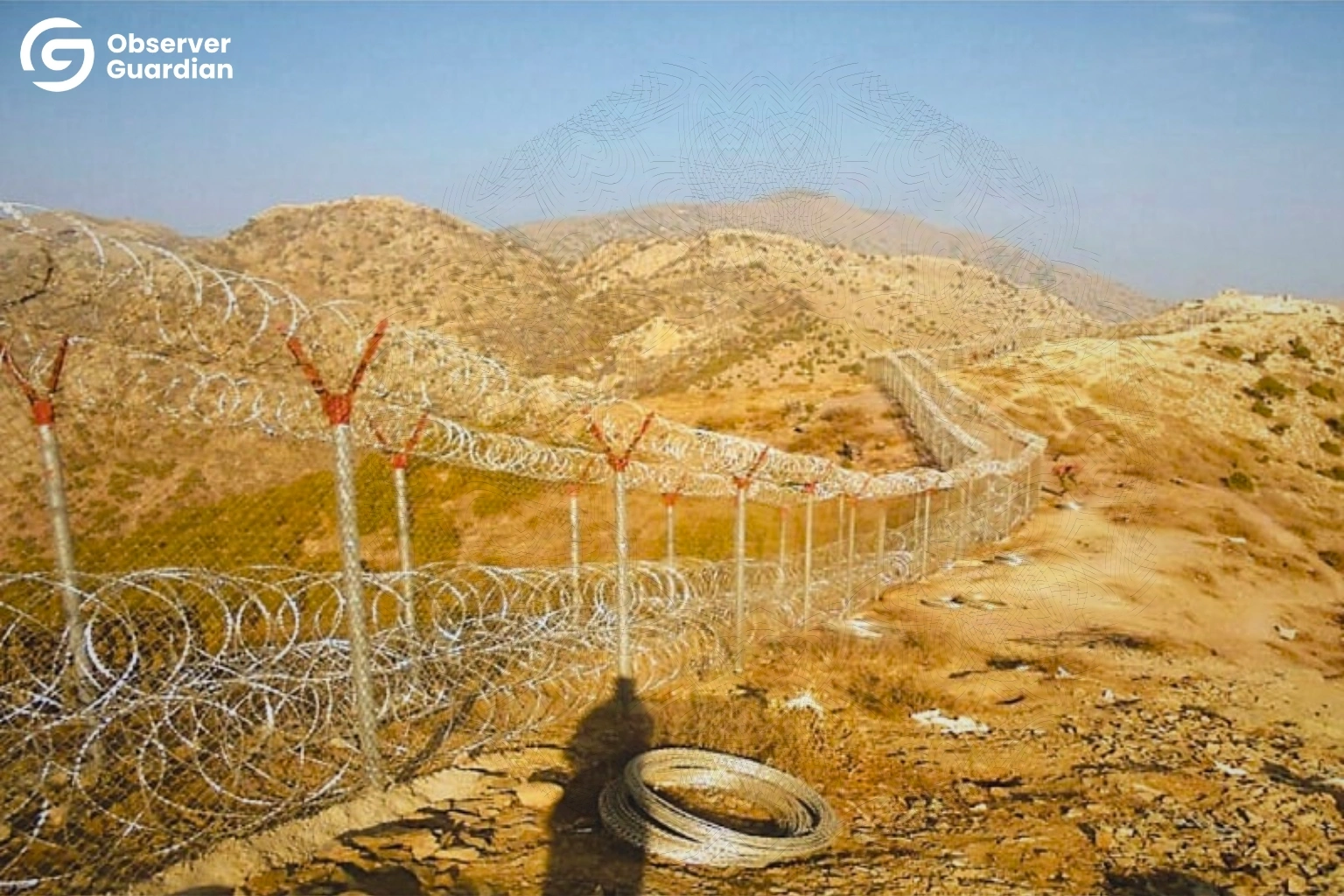
For Pakistan, this is a moment for decisive action and strategic diplomacy. It must strengthen border management and improve intelligence coordination. At the same time, Pakistan needs a clear policy to handle Afghan nationals involved in terrorism. Moreover, Islamabad should raise this issue at international platforms and with global partners who can press the Taliban government to act responsibly.
The Bajaur incident, tragic as it was, reflects a deeper and long-standing challenge. It includes Afghanistan’s failure or refusal to prevent its territory from being used to harm its neighbors. Until that changes, Pakistan’s security and regional stability will remain under threat.
⚠ Disclaimer
The views and opinions expressed in this article are exclusively those of the author and do not reflect the official stance, policies, or perspectives of the Platform.