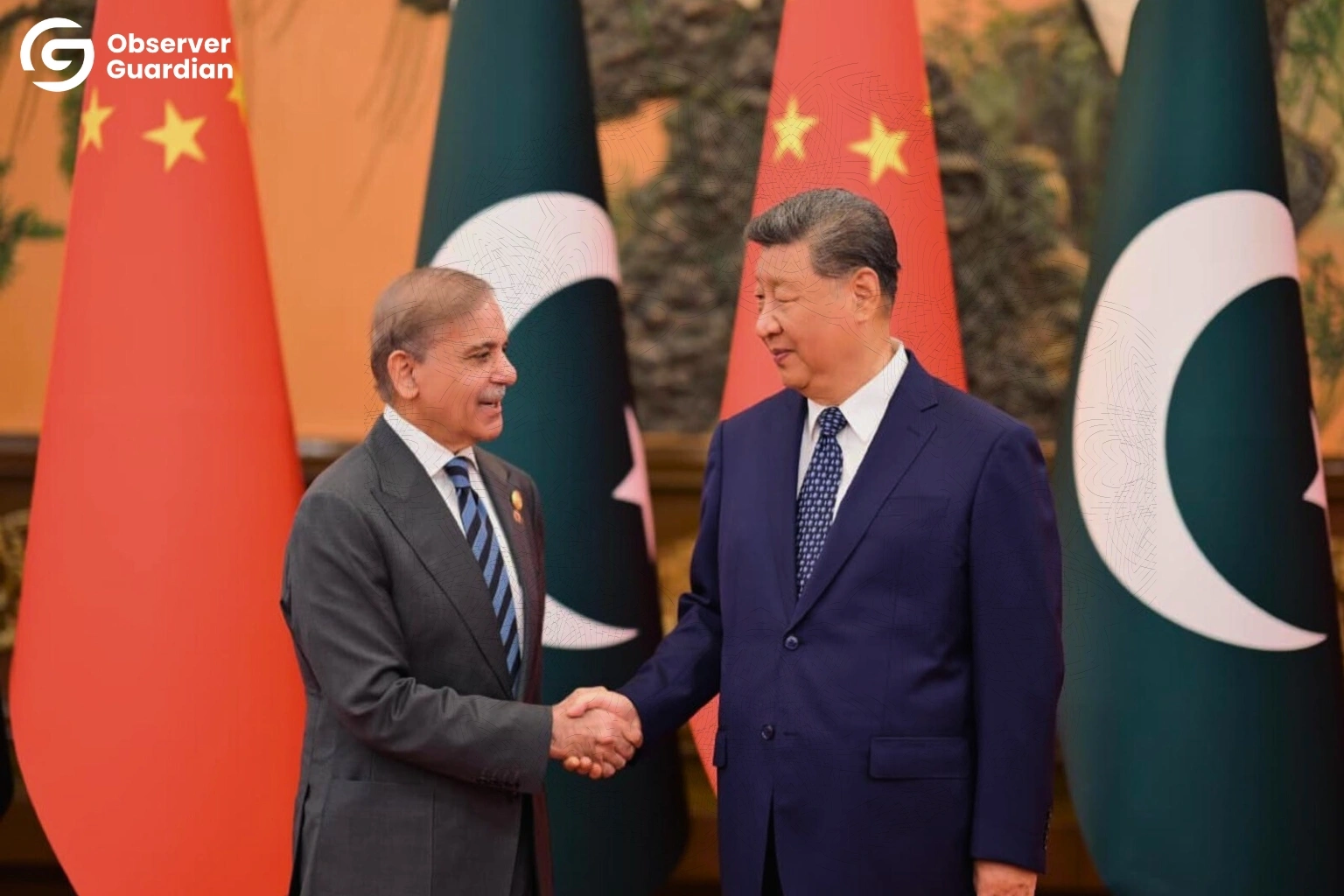

A Decade of Change
At the time China and Pakistan unveiled the China-Pakistan Economic Corridor (CPEC) in 2015, not many people imagined the extent to which it would transform Pakistan over the span of a mere decade. It was originally a 46 billion plan of the Belt and Road Initiative (BRI) by China. In 2022, it expanded to about 62-65 billion to include energy, transport, ports, and industrial areas.
It was a timely event in a country that had been grappling with power blackouts, deplorable roads, and insufficient trade aptitude.
Fixing the Energy Crisis
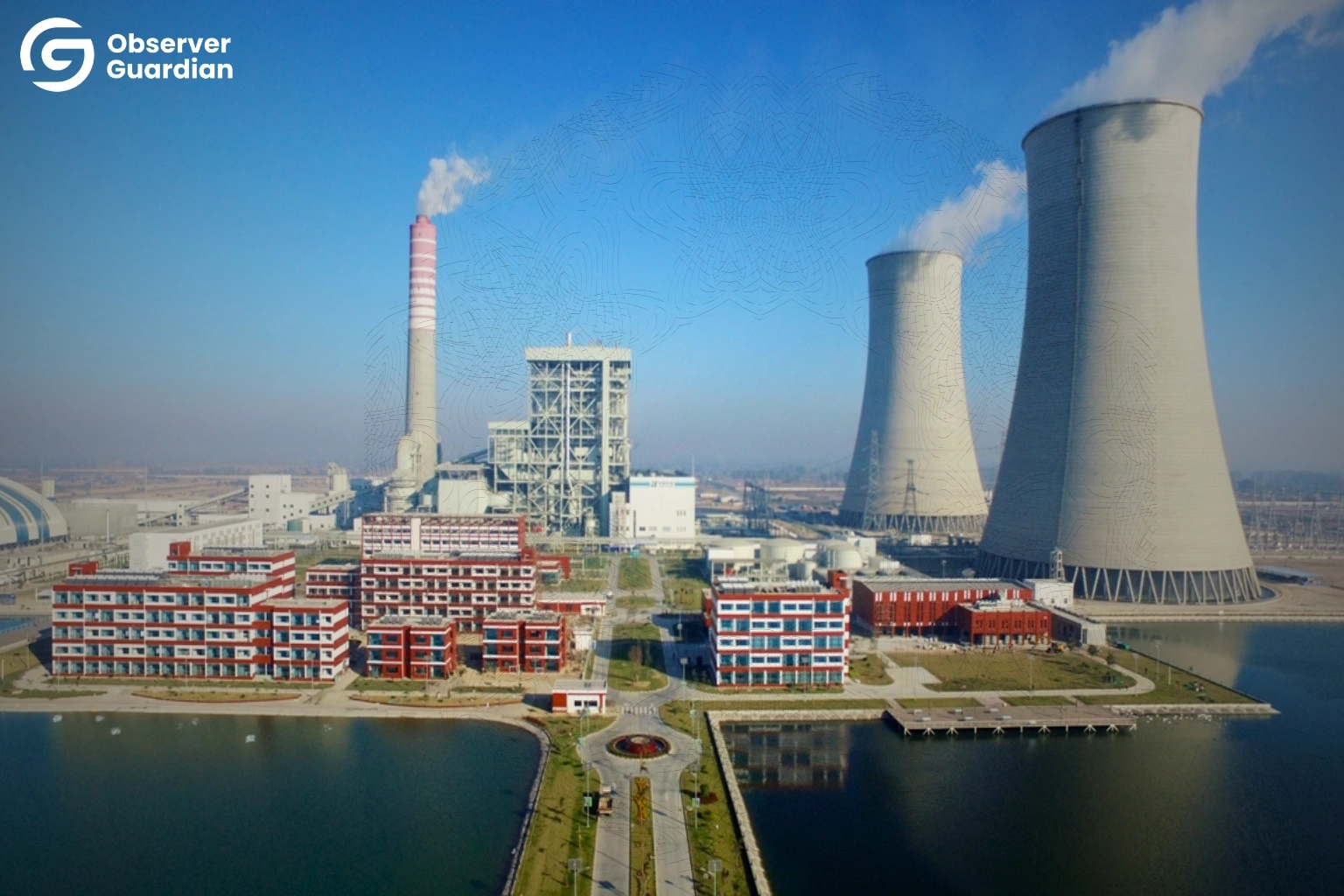
Prior to CPEC, Pakistan was losing the economy at an estimated two percent of the GDP annually due to the energy crisis. Factories were being closed, small businesses were being operated on generators, and the national grid simply could not match up. CPEC changed that. Energy projects incurred around $25 billion and this added over 10,000 megawatts of capacity. Coal, hydro power, wind, and solar power plants began to be introduced. In a couple of years, Pakistan became a nation of continuous load shedding to the extent of sufficient supply of power to restart its industries.
Power generation efficiency jumped from 28 percent to over 60, thus assisting in reducing the fuel import bill.
Recovery of Highways, Railways, and Ports
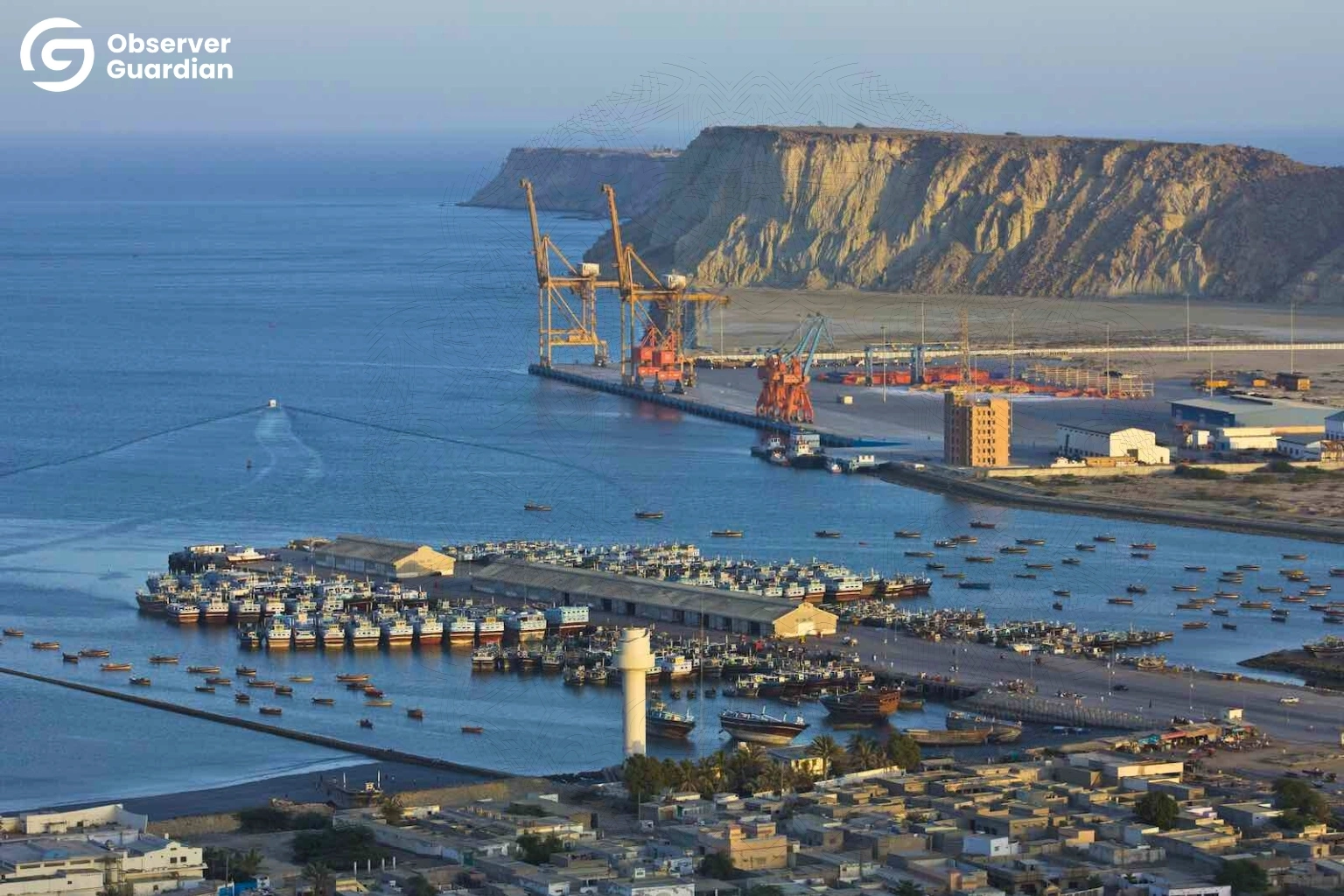
Energy wasn’t the only piece. The country started to change physically due to the existence of roads, railways, and ports. Approximately 968 kilometers of new highways were constructed that linked the regions of the north and the south that once seemed like they were poles apart. The ML-1 railway modernization and the new fiber optic systems consisted of making transport and communication quicker and more dependable. And then there’s Gwadar. Once a quiet coastal town has become a deep-sea port now, and a developing trade center connecting western China and Central Asia to the Arabian Sea. It is not only growing, but the possibilities are self-evident.
The Rise of Industrial Zones
Special Economic Zones (SEZs) were also the beginning of a new era of industry by CPEC. It is planned to be nine throughout the country, among which is the Rashakai zone in Khyber Pakhtunkhwa and the Faisalabad industrial city. These areas are supposed to lure foreign investors, boost exports, and create job opportunities within such industries as steel, textiles, agriculture, and renewable energy. Initial indications reveal that they are effective.
Moreover, Chinese and domestic firms are establishing themselves and this is bringing new technology and management experience. More than 190,000 direct jobs have already been generated since 2015, and the figure is likely to continue.
Expanding Trade and Growth
Pakistan China trade has also increased by leaps and bounds, with the value amounting to approximately 4.8 billion dollars in 2015 and 16 billion dollars in 2023. Manufacturing and logistics in Pakistan are growing faster than ever due to improved transport and increased industrial output. Analysts estimate that since its inception, CPEC has contributed between two and three and a half percent to the GDP of Pakistan through an increase in productivity as well as foreign investment.
Phase II, Green and Digital Growth
However, the emphasis is changing now that CPEC enters the second phase. The subsequent wave is estimated to be green power, digital infrastructure, and sustainable development. The solar and wind projects are increasingly entering the mix. Digital connectivity is expanding through new fiber networks built under CPEC, benefiting e-commerce, online learning, and tech startups. Provided that it pays off, this stage would generate numerous opportunities among the youth in the areas that were not even there when CPEC was first established.
Challenges Ahead
Naturally, it has not been smooth sailing all along. There are concerns about debts and whether Pakistan benefits fairly. Others mention delays and bureaucracy slowing projects. These material issues must be addressed carefully if CPEC fulfills its long-term promises. However, it is also reasonable to note that Pakistan is now incredibly different than it used to be ten years ago. Power outages are virtually eliminated, the roads and ports are far superior and the way to industrial and digital growth is more evident.
A New Economic Era
CPEC is not a bunch of roads and power plants anymore rather it has turned into a symbol of economic change. In the case of Pakistan, it has been an opportunity to modernize and to begin considering itself as a constituent of a larger regional economy and not as an independent market. Much remains to be seen, but in case Phase II maintains momentum and remains sustainability and innovation-driven, CPEC may prove to be one of the landmark economic turning points in the history of Pakistan.
⚠ Disclaimer
The views and opinions expressed in this article are exclusively those of the author and do not reflect the official stance, policies, or perspectives of the Platform.