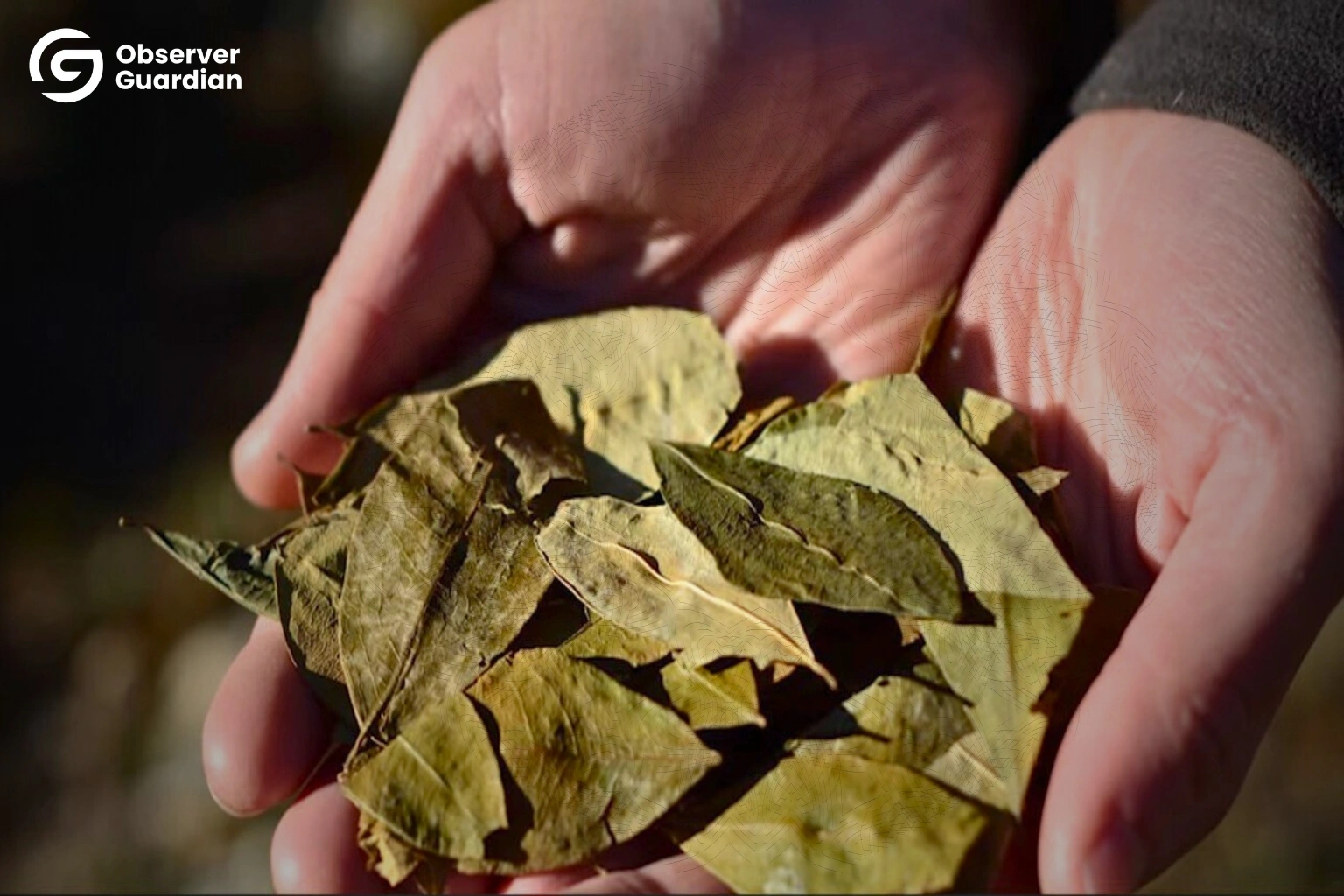

It is hard to talk about Afghanistan without mentioning drugs. For decades, the country has been known as the world’s main supplier of opium, the raw ingredient behind heroin. Governments have come and gone, foreign armies have arrived and left, and yet one thing has barely changed that narcotics remain the most reliable export of Afghanistan.
The Long Shadow of Opium
For years, Afghanistan was known for one thing above all else opium. In 2022, it produced around 80% of the world’s supply, roughly 6,200 tons out of 7,800 worldwide. That’s a staggering amount, and it came from an estimated 233,000 hectares of poppy fields spread across the countryside.
For many rural families, growing poppies was not a criminal scheme, it was survival. The crop was reliable, drought-resistant, and paid far better than wheat or fruit. Warlords, smugglers, and even local Taliban commanders took their cut, turning opium into both a livelihood and a source of power. Over time, this created an economy that ran parallel to the state, one that no government or foreign mission ever truly controlled.
The Ban That Shook Everything
Then, in 2022, the Taliban did something unexpected: they banned narcotics across the country. For a group that once taxed the opium trade, the move caught a lot of people off guard. And to their credit, they enforced it. Fields were burned, farmers punished, and by 2025, poppy cultivation dropped about 20%, while opium output fell by nearly a third.
That sounds like progress, but it came with serious side effects. The shortage made opium even more valuable. Prices skyrocketed, and those who managed to keep growing or trafficking it made huge profits. Meanwhile, thousands of poor farmers suddenly had no income. For them, the ban didn’t feel like reform, it felt like starvation.
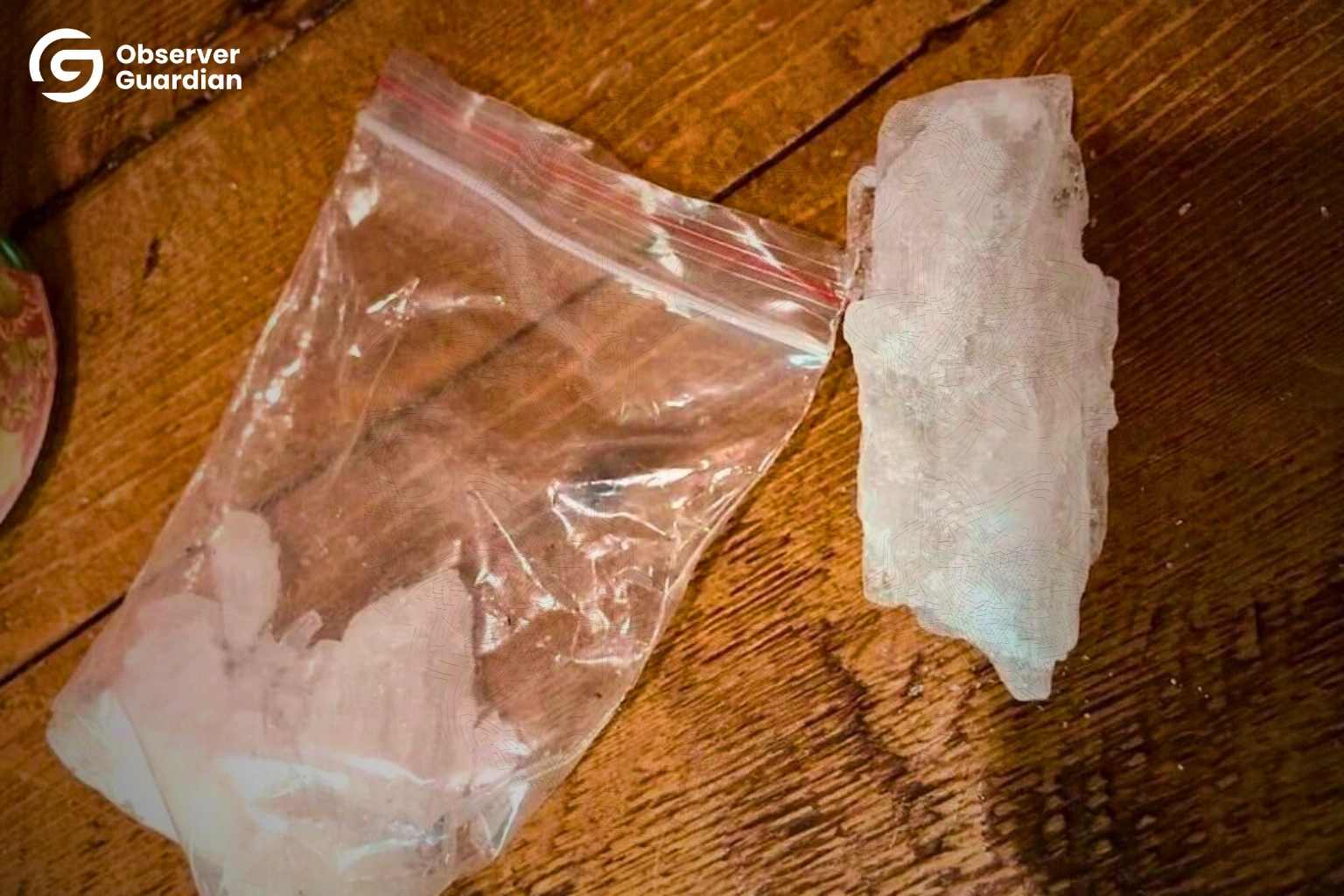
The Shift Toward Synthetic DrugsWhile opium production shrank, something else started brewing quietly and that is methamphetamine. It does not need fertile land or large fields. It can be cooked up in a small lab with cheap chemicals, often in hidden corners of the country where few outsiders go.
This change marks a big turning point. Afghanistan’s drug trade is not just agricultural anymore, it is becoming industrial. Meth is easier to make, easier to move, and a lot harder to detect. And unlike poppy farming, which depends on weather and seasons, synthetic drugs can be made year round. That makes them far more appealing to traffickers who know how to adapt when laws change.
The Bigger Picture
This shift is not just the problem of Afghanistan. The drugs flowing out of the country whether opium or meth fuel addiction and crime across Central Asia, the Middle East, and Europe. Border forces are overwhelmed, and international agencies are scrambling to adjust.
And the frustrating part is the traditional drug control tactics do not really work here anymore. How could anyone burn a field when the “field” is a warehouse filled with lab equipment. Likewise, it is tricky to replace poppy farming with wheat when there is no water, no roads, and no functioning economy.
Even after all these years, Afghanistan is still the world’s narcotics hub. The substance has changed, but the reality has not.
If the economy stays broken and people have no other way to earn a living, drugs will keep funding households, militias, and power structures.
It is easy to talk about bans and enforcement, but without real economic alternatives, those efforts only push the problem into new forms. The drug story of Afghanistan is not over it has just moved from the open fields to the shadows.
⚠ Disclaimer
The views and opinions expressed in this article are exclusively those of the author and do not reflect the official stance, policies, or perspectives of the Platform.