
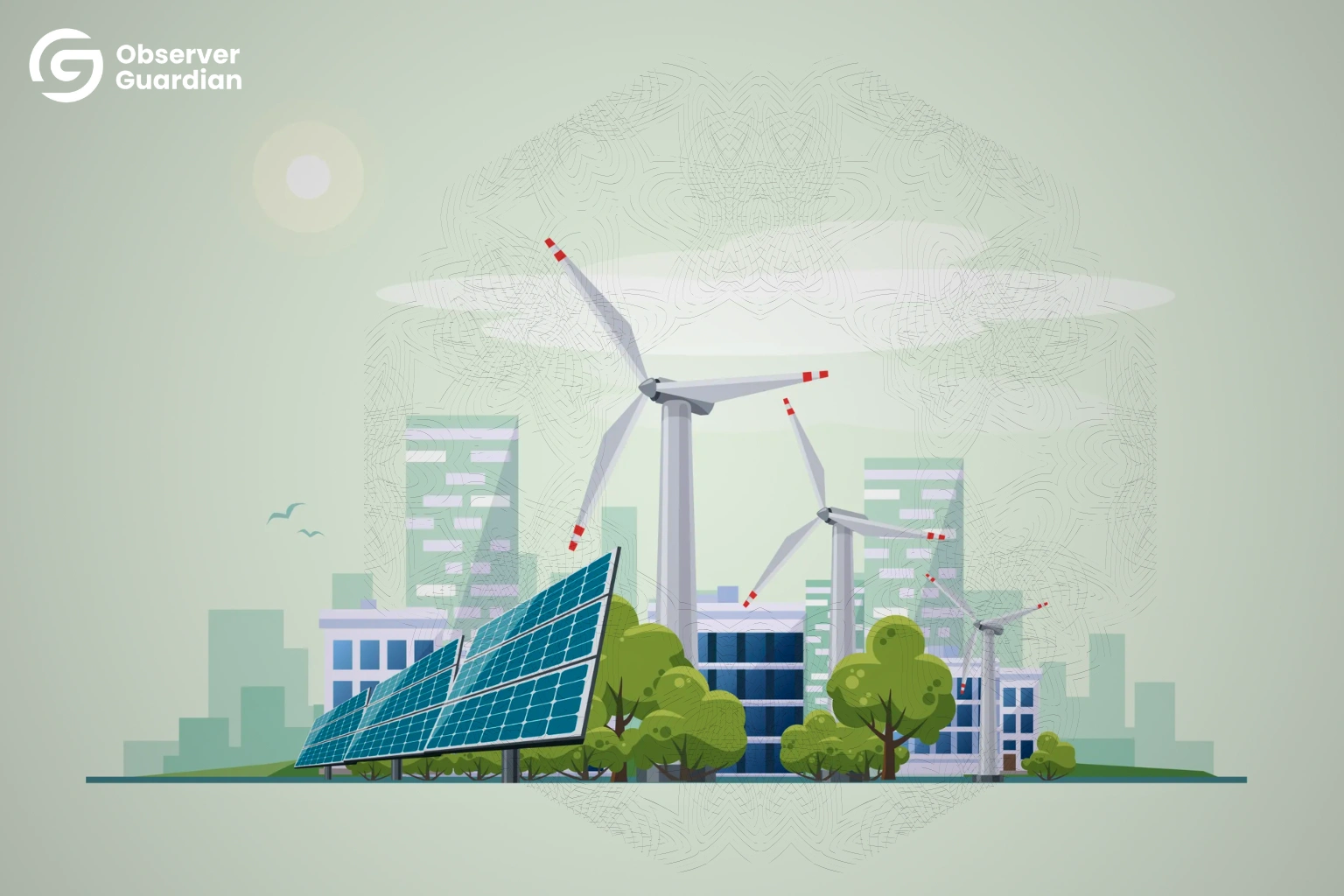

A clean energy future, one that runs on wind, sun, and renewability, has been the dream of the world for decades. However, the world is gravitating towards the decarbonization process, and a new form of tension is emerging. The energy shift, which is supposed to stop conflicts of resources over oil, is instead giving birth to other struggles over lithium, cobalt, and rare earth minerals that drive the green revolution.
All electric cars, solar panels and smartphones rely on those minerals. However, their extraction is not a clean and peaceful process. The new energy economy is recreating the oil era patterns of colonial-style exploitation, starting with the cobalt mines of the Democratic Republic of Congo and ending with the nickel projects in Indonesia through lithium fields in Chile. The raw materials are provided by poor nations, and the technology is beneficial to rich nations.
This imbalance is usually hidden by the rhetoric of sustainability. Western nations are offering a just transition, but seldom do they concern themselves as to who will incur the environmental and social costs of their clean ambitions. Lithium mining in South America causes water depletion in a country that is already faced with drought. Child labor and dangerous working conditions are still rife in the cobalt mines in Africa. In the meantime, the local communities rarely experience fruits. Green energy is not as green as it appears to the ground level.
Geopolitics is also being redefined by this scramble over resources. China controls most of the world processing of critical minerals thus having massive influence over the green supply chain of the world. The scramble to form alliances and secure supplies by the United States and Europe is reminiscent of oil politics of the 20th century since suddenly it becomes reliant on foreign minerals. The green transition, it turns out, does not stop the energy arms race, but instead just substitutes the fuel.
All these do not imply that renewable energy is a shame. It is the largest opportunity of humanity to prevent climate disasters. However, to make a sustainable transition, moral contradictions should be addressed. Luxuries are not clear supply chains, fair labor practices and fair sharing of profits with countries of origin. In their absence, the clean energy revolution will be a cause of history repeating itself, except that this time they are dirty.
Powering the world should not merely change the way in which we power it, it should change who is powering it.