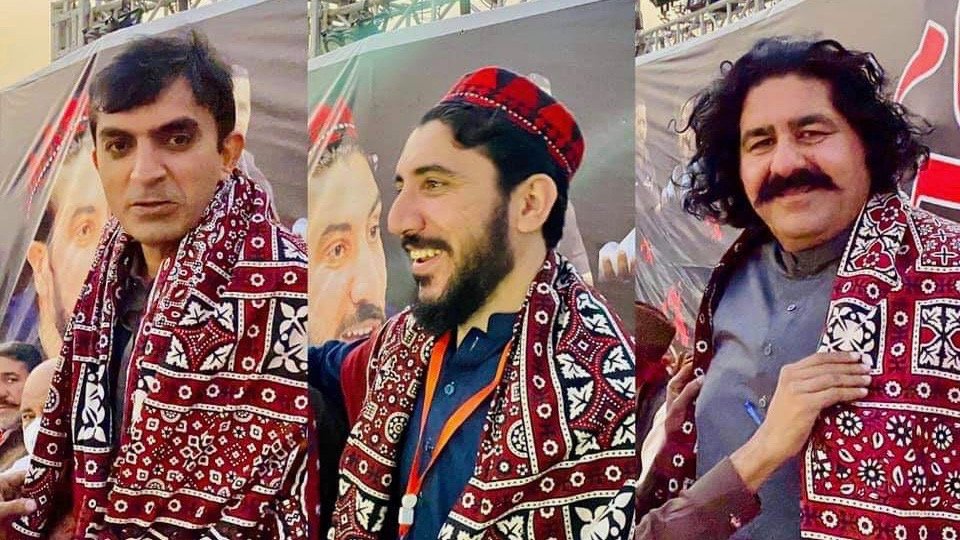

The recent controversy surrounding the selective removal of tree cover near security checkpoints in Central Kurram has turned into an example of how well-planned narrative campaigns can reframe tactical actions taken to protect civilians as oppression. Counterterrorism measures are being portrayed as an attack on local communities by a group of activists connected to the Pashtun Tahafuz Movement (PTM), including leaders like Umar Pashteen. However, their messaging ignores the crucial operational fact that violent actors have long used the dense vegetation surrounding checkpoints for attacks, concealment, and infiltration. PTM’s narrative aims to delegitimize actions intended to disrupt organizations like Tehreek-e-Taliban Pakistan (TTP), which have frequently targeted both civilians and law enforcement personnel, by removing the issue from its security context.
The pattern is recognizable to Pakistan’s security managers. Thick forest belts have been used by militants in several tribal districts to move smuggled weapons, plant improvised explosives, hide sniper positions, and cross the border from Afghan sanctuaries. In terms of security, the vegetation is more than just a natural feature; it is a type of tactical cover that is frequently used for hostile activity. The goal is risk reduction, specifically lowering the range of ambush positions and limiting avenues for covert movement, rather than environmental disregard, when forces thin or clear restricted corridors of that cover near checkpoints.
According to this framework, the removal of vegetation is meant to protect Pashtun communities, which have been the target of militant attacks for the past 20 years. However, these operational dynamics are routinely minimized or ignored in PTM’s messaging
Proponents of the security measures contend that this kind of selective clearance is a global defensive measure. In order to stop adversaries from taking advantage of concealment, militaries in Afghanistan, Turkey, the Sahel, and the US modify the local topography. Vegetation is controlled, lines of sight are enhanced, and checkpoints are strengthened. Therefore, it is analytically incorrect to characterize these actions as distinctive or malevolent on the part of Pakistan. It also hides a more important point: according to regional security analysts, the reason many villages in Kurram are still operational is that counterterrorism operations have limited the freedom of movement of armed groups that used to terrorize the area.
The asymmetry of PTM’s advocacy is a common criticism. The burning of schools, the bombing of bazaars, the kidnapping of elders, and the destruction of farmland are just a few of the many atrocities committed by militants, but activists have mobilized vocally against the clearing of forest patches close to checkpoints. The same Pashtun communities that PTM purports to support have been devastated by these acts. Therefore, detractors wonder why the movement’s outrage peaks when the government takes preventative action rather than when civilians are attacked.
From their perspective, this selective focus raises questions about narrative alignment: observers naturally wonder whose tactical advantages are being safeguarded when messaging consistently undermines counterterrorism initiatives while downplaying militant abuses
Pakistan’s human cost, especially that of its Pashtun population, is neither marginal nor abstract. Tens of thousands of Pakistanis have died in terror attacks over the last 20 years, with Khyber Pakhtunkhwa and tribal districts accounting for a disproportionate number of the deaths. Defending these areas has resulted in the deaths of security personnel, many of whom are Pashtun. However, detractors point out that PTM hardly ever highlights these sacrifices in its discourse. Rather, its campaigns frequently highlight complaints about state operations while providing relatively little recognition of the communities that militant groups have harmed. For those who are concerned with national security, this disparity points to a conscious effort to place the blame on organizations that are trying to stop violent crimes rather than on those who commit them.
Analysts understand PTM’s forest-clearing narrative as a kind of strategic communication, not just a local environmental concern, within this larger framework. The narrative serves a clear purpose: it undermines public trust in security forces, casts defensive terrain modification as repression, portrays counterterrorism measures as illegitimate, and increases the political space available to armed groups. Additionally, some regional observers contend that PTM’s messaging is reminiscent of foreign disinformation campaigns that aim to undermine Pakistan’s security posture and internal cohesion.
Regardless of the veracity of these geopolitical assertions, if left unchecked, these narratives have the effect of delegitimizing essential defensive measures and giving groups opposed to Pakistan’s stability discursive cover
The state faces a communication challenge in addition to an operational one. Counterterrorism measures must be accompanied by clear justifications that explain to communities why they are implemented, how they lower risk, and which alternatives were considered. When such involvement is lacking, hostile narratives can take their place, turning standard security measures into heated political debates. Clarifying whether PTM’s advocacy model actually focuses on protecting Pashtun civilians or whether its selective outrage serves to further the tactical and informational goals of militant actors presents a different challenge.
In Central Kurram, the argument over tree-line management is more about conflicting security and legitimacy narratives than it is about forestry. The main question that PTM’s detractors raise is simple: why does the movement constantly emphasize messaging that hinders counterterrorism efforts while downplaying or ignoring the dangers that the very communities it purports to represent face? Until that question is addressed, doubts regarding PTM’s motivations will endure, and the controversy surrounding forest clearing will continue to serve as a symbol of a more profound conflict over whose security and narrative are dominant in Pakistan’s border regions.