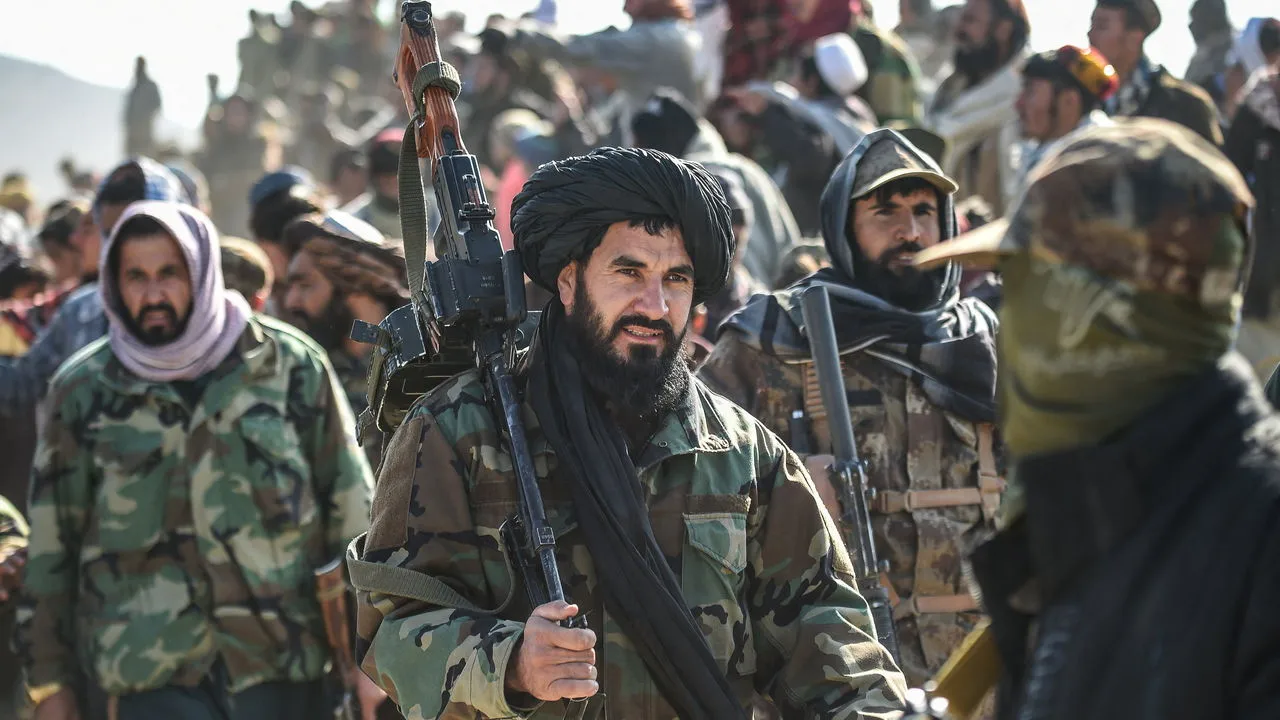
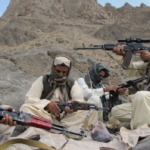
The claim that the East Turkestan Islamic Movement is being hosted and fully supported by elements within the Interim Afghan Government is not just a narrow security issue. It raises hard questions about how Afghanistan is again becoming a permissive space for foreign extremist groups. If even part of this picture is accurate, it means that a group with a declared transnational agenda is enjoying a degree of protection that most states would never tolerate inside their borders. The result is a slow but steady rebuilding of capacity that threatens not only Afghanistan’s neighbors but also wider international security.
Reports that ETIM enjoys safe havens, logistical assistance, and freedom of movement inside Afghanistan point to a relationship that goes beyond simple neglect. When a group can maintain training areas, store weapons, and move fighters without serious interference, that usually reflects at least tacit approval by local power holders. In this case, the picture that emerges is one of ETIM using remote provinces as a rear base while enjoying cover from elements of the IAG.
These are areas where oversight is weak, where outside observers have limited access, and where central authority either cannot or will not enforce meaningful control
The geography of ETIM’s presence matters. Remote districts and border regions have long been the preferred space for militant groups across this part of the world. They offer natural protection, complex terrain and communities that are often poor, isolated, and vulnerable to recruitment. If IAG structures in these regions are turning a blind eye or actively cooperating, they are effectively trading short term tactical gains for long term instability. Allowing ETIM to entrench itself now will make it far harder to uproot later, once its networks are woven into local economies and power structures.
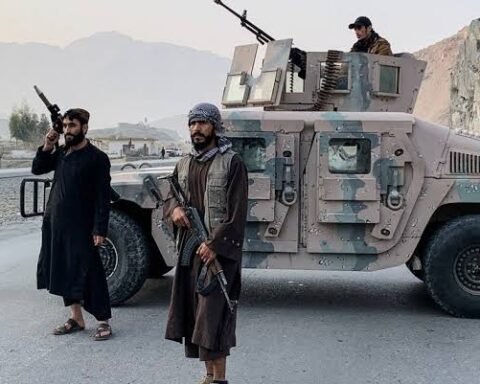
There are also credible indications of financial and material support that go beyond passive shelter. Access to vehicles, fuel, weapons, communications gear, and safe passage across checkpoints are not things a foreign extremist group can secure on its own in a tightly controlled environment. They usually require the blessing, or at least the tolerance, of those who command guns and budgets. If ETIM is receiving this kind of backing from IAG elements, it means the group can maintain mobility, sustain its members, and build cross-border links into Central Asia and China. That kind of support keeps a group alive even when it faces pressure elsewhere.
Hosting ETIM not only strengthens the group’s physical capabilities. It also gives it a platform for ideas. Under the protection of sympathetic or fearful local authorities, ETIM can preach, recruit, and indoctrinate without serious challenge. Young men in remote Afghan provinces, who see little future and even less state support, are more vulnerable to narratives that promise dignity through struggle. Foreign fighters who arrive from other regions can be absorbed into these structures, trained, and then redirected toward external theaters of conflict.
In this way, a tolerated presence inside Afghanistan becomes a production line for transnational militancy
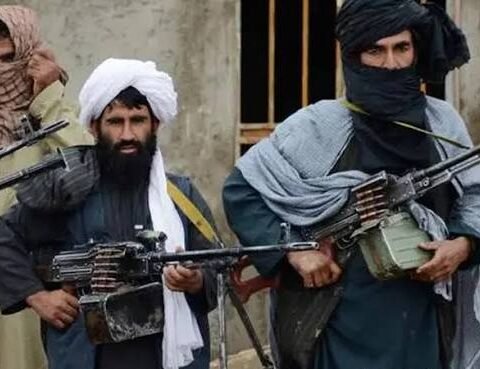
Another concern is the intelligence and operational cover that a government-linked sanctuary can provide. When a group is protected by insiders, it can plan operations, move personnel, and communicate with far less fear of interception or arrest. Checkpoints are announced in advance. Sensitive convoys are not searched. Communications infrastructure is quietly made available, or at least not monitored. This is how groups with relatively small numbers maintain an outsized threat, because they are shielded from the normal friction that comes with constant pressure from security forces.
The likely outcome of this environment is greater collaboration among extremist actors. Afghanistan already hosts or intersects with Al Qaeda, the Tehrik e Taliban Pakistan, and other regional outfits. A protected ETIM presence creates more opportunities for joint training, shared safe houses and common fundraising channels. Groups learn from each other, copy tactics, and sometimes support each other’s operations. This kind of ecosystem makes it harder to target one actor without bumping into many others, and it raises the overall threat level for states across the region.
By providing sanctuary, whether by intent or by neglect, the IAG is reinforcing ETIM’s ability to act far beyond Afghan territory. The group’s historic focus has been on China and Central Asia, but a secure base allows it to widen its horizon and adapt. Even if it does not carry out large attacks in the short term, the space to regroup, train, and connect with allies is already a strategic gain.
For neighboring countries, this means that threats can originate from across a border where the local authorities are not reliable partners in counter terrorism
Taken together, the open operation of ETIM in remote Afghan provinces, the reported provision of resources and mobility by IAG elements, its cooperation with Al Qaeda and TTP, and its continued focus on cross-border activity form a pattern that cannot be ignored. This is not just an internal Afghan matter. It is a regional and global problem in the making. The longer ETIM is allowed to sit under an informal state umbrella, the higher the eventual cost of confronting it will be. That is why closer monitoring, clear political messaging, and coordinated pressure are urgently needed before Afghanistan again hardens into a central hub for foreign extremist groups.