
India’s refusal to answer the UN Special Rapporteurs on the Indus Waters Treaty has turned a technical query into a political statement. The facts are simple. The Special Rapporteurs asked India to explain its recent conduct under the treaty. They set a clear deadline, 16 December 2026. That deadline passed. Thirty-Eight days later, the UN is still waiting. No response. No clarification. The silence is no longer a matter of bureaucratic delay. It has become a choice.
This choice sits uneasily with the image New Delhi often presents of itself as a responsible power that respects law, institutions, and rules. When India calls for a rules-based order, it is asking others to accept scrutiny, to live within agreed frameworks, and to honor their commitments. The same logic applies in reverse.
When UN experts send formal questions about a binding treaty, they are not engaging in a media exercise. They are testing how seriously a state treats its own legal obligations. If the answer to that test is silence, the message is obvious
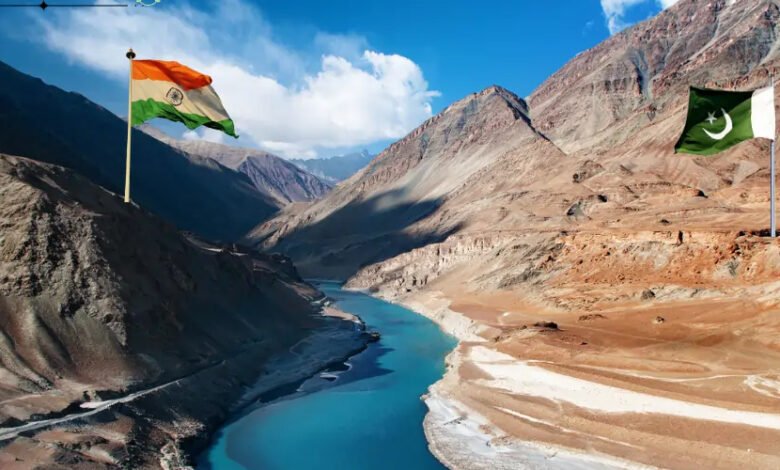
The Indus Waters Treaty is not just another bilateral agreement filed away in archives. It is the backbone of water sharing in a tense neighborhood. It helped prevent a vital resource from becoming a permanent trigger for conflict. The treaty rests on a simple bargain. Each side accepts limits on its freedom to act unilaterally, in exchange for predictability and stability. When one party is accused of actions that may stretch or distort those limits, the least it can do is explain what it is doing and why. That is exactly what the UN Special Rapporteurs asked India to do.
By saying nothing, India leaves others to fill the gap with their own assumptions. Is New Delhi unsure of its legal footing? Is it unwilling to admit that some projects or measures may push against the treaty’s spirit? Is it simply betting that the issue will fade if it refuses to dignify the questions with a reply?
None of these possible answers strengthens trust. All of them feed doubt, especially in Pakistan, which has long seen Indian upstream activity as a source of worry
Some will argue that the UN Special Rapporteurs are not courts, that their communications are advisory, even political. That is true, but it misses the point. Engagement with them is a low-cost way to show confidence in one’s own conduct. A detailed answer, even one that strongly rejects criticism, demonstrates that a state is prepared to stand by its record and explain it in legal and technical terms. A late reply is still better than none. A complete refusal to engage looks like fear of the record itself.
The longer the silence lasts, the more it exposes a gap between India’s rhetoric and its behavior. On many global platforms, Indian leaders speak about climate justice, water security, and responsible resource management. These themes resonate in a world facing growing scarcity. Yet water diplomacy does not live in speeches. It lives in how a country handles specific concerns about dams, diversions, and flow changes that affect millions of people.
A state that aspires to leadership on water issues cannot look away when detailed questions arrive about a cornerstone treaty in its own region
There is also a broader institutional cost. UN mechanisms depend on cooperation from states. When a large democracy chooses to ignore them, others take note. Governments with weaker democratic records are quick to use such examples as cover for their own refusals. If India can ignore questions about treaty conduct, why should it answer on human rights or environmental harm? The damage is subtle but real. It chips away at the expectation that serious states respond when independent experts raise concerns.
At home, this episode also carries risks. Treaty disputes and UN communications are rarely front-page news, but they can shape how future crises unfold. If India normalizes a pattern of non-response today, it may find itself boxed in tomorrow, with fewer options to de-escalate or to persuade international partners of its good faith.
None of this means that India must agree with the UN assessment. It may genuinely believe that every step taken under the Indus Waters Treaty has been lawful, proportionate, and within its rights as an upper riparian. If so, it should say so clearly. It should provide data, legal reasoning, and technical explanations. It should invite scrutiny rather than resist it. That is how a country turns criticism into an opportunity to reinforce its standing, both in the region and in the wider system.
Instead, the current approach suggests that silence has become the preferred answer. This may seem tactically useful. It avoids headlines. It keeps options open. It prevents admissions that could appear in future legal or diplomatic proceedings. Yet strategic actors think beyond the next news cycle.
They understand that credibility is a form of power. Power is weakened when a state looks unwilling, or unable, to defend its conduct in plain language
The Indus basin is already under strain from climate change, glacial melt, erratic rainfall, and rising demand. In this environment, every signal matters. When the UN asks a state to account for its actions affecting shared waters, and more than a month passes without a word, that silence is not just an administrative detail. It is a policy choice with regional and global implications. Rules-based order works both ways. It cannot be a shield that a state lifts when others act, then quietly sets aside when questions point in its own direction.
India still has a chance to shift course. A candid, comprehensive response, even after a delay, would be far better than continued quiet. It would show respect for its treaty obligations and for the UN mechanisms it has long engaged with. It would reassure neighbors that New Delhi is confident in both its rights and its responsibilities. The choice is simple. Continue to let silence speak, or meet questions with the one thing that a rules-based order actually depends on: an honest answer placed on the record.