
A wave of attempted violence across Balochistan on Wednesday was meant to look like a turning point. The perpetrators branded it “Herof 2.0,” pushed dramatic claims through friendly channels, and tried to sell the idea that the province was slipping out of the state’s hands. What happened instead was faster, flatter, and far less cinematic: security forces moved quickly at each site, the attackers failed to hold ground or create lasting disruption, and control was restored within hours. That contrast matters because modern militant campaigns are built as much on perception as on firepower.
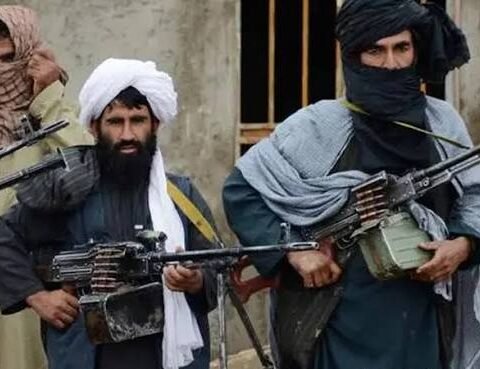
Security sources link the attacks to the Balochistan Liberation Army and describe a foreign-backed network they call Fitna al Hindustan. Those are allegations, and they should be tested through evidence that can stand up in court and withstand independent scrutiny. But even if you set aside the question of outside sponsorship, the operational picture still tells a story of weak execution.
The attacks were spread across locations, leaned on quick raids and distant fire, and appeared designed to produce short clips rather than sustained tactical gains
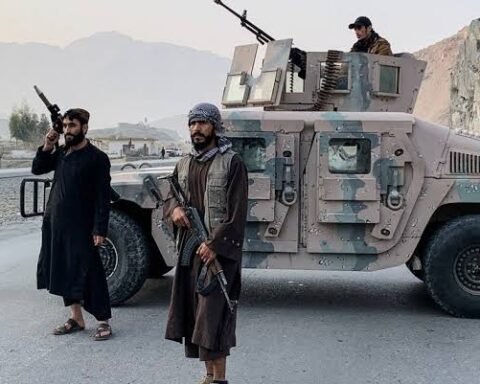
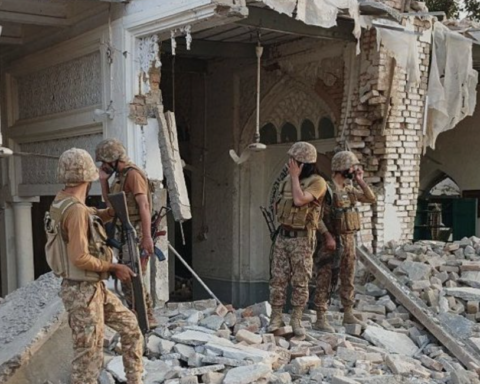
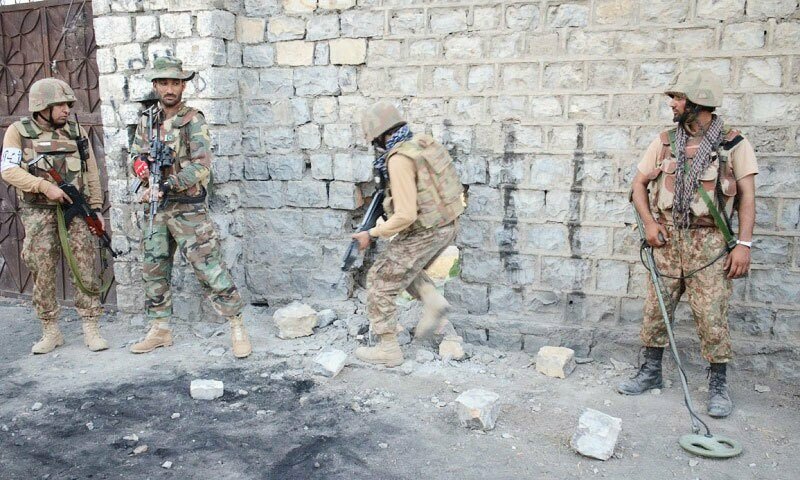
In Quetta, militants reportedly attempted to target a police van in the Saryab Road area. Police returned fire, Frontier Corps troops reinforced the response, and security sources report four attackers were killed as the area was secured. In Nushki, an attempted fire raid on the Frontier Corps headquarters met alert defenders and heavy return fire, forcing the attackers to withdraw without meaningful damage. In Dalbandin, explosions were reported near a Frontier Corps headquarters, followed by cordons and engagement as clearance operations continued.
The exchange in Kalat highlights what these attacks were really trying to do. Striking at a deputy commissioner’s office and police lines is not about winning a battlefield. It is political theatre, a bid to suggest that governance has vanished and the state is absent. Yet governance did not collapse. Security units responded, contained the situation, and prevented escalation. Repeated across multiple sites, the same pattern emerges: an attempt to create panic, followed by rapid stabilization.
Along the coast, the choice of targets also exposed priorities. Pasni saw an attempted distant fire raid on a Pakistan Coast Guards facility, while Gwadar saw a labourers’ colony reportedly targeted. Similar grenade and distant fire raids were reported against security posts in Mastung, Kharan, and Tump.
When militants drift toward softer targets and mixed population areas, they are not demonstrating strength; they are admitting they cannot win against hard security positions without paying a heavy price
Officials say the overall situation remained under control, with only two to three personnel sustaining minor injuries and no strategic installations damaged. When a campaign is marketed as a major escalation but produces limited tactical effects, it signals weakness, not momentum. Authorities also connect the timing to recent counterterrorism operations in which more than fifty militants were reportedly eliminated across the province. Exact numbers in conflict reporting should always be handled carefully, but the underlying logic is familiar: after serious losses, militant networks often try to stage a loud show to reassure supporters, recruit new fighters, and distract from internal strain.
That brings us to the moral core of this story. Militants who plan from safety gamble with other people’s lives, especially young recruits pushed into frontal assaults and suicide missions that are almost designed to fail. Pakistani officials place responsibility on figures such as Bashir Zeb Baloch, Allah Nazar, and Harbiyar Marri, alleging they operate from sanctuaries abroad, including in Afghanistan.
Those specific claims should be backed by evidence, but the broader pattern is visible: leadership stays insulated while local youth absorb the consequences
Propaganda then tries to clean up the aftermath, inflating success and blurring the truth about casualties and missing persons. Families deserve due process and transparent answers when someone disappears, and Pakistan should never treat that demand as hostility. At the same time, militant media ecosystems can exploit grief by mislabeling battlefield deaths, factional killings, and internal purges as “enforced disappearances” to manufacture outrage and recruitment. Both realities can coexist, which is exactly why facts, verification, and accountable institutions matter.
Security forces deserve credit for speed and coordination, but security alone will not close this file. Lasting stability requires disciplined policing, intelligence-led disruption of financing and logistics, and firm rules on the use of force. It also requires governance that delivers jobs, education, health services, and real local accountability. The fact that the group is designated by the United States as a Foreign Terrorist Organization underlines the seriousness of the threat, but labels do not substitute for policy. If the state wants “Herof 2.0” and whatever comes next to keep failing, it must pair security success with political credibility, so citizens feel protected and heard at the same time.