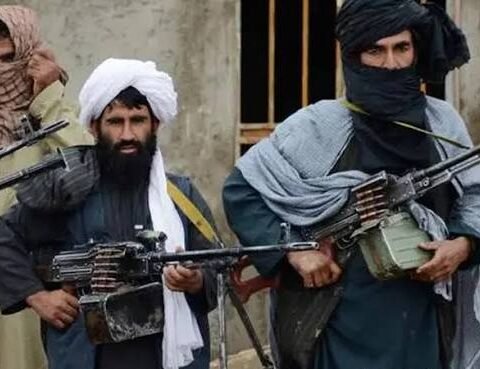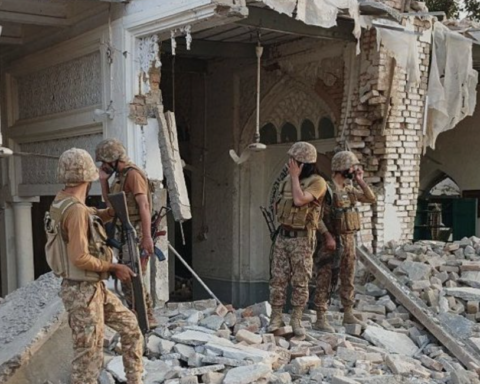

Terror in Balochistan has a brutal pattern, a bomb on a bus, a bullet in the dark, an ambush on a road where a family expected to arrive home. Whoever lives there knows the cost is not a talking point. It is blood, fear, funerals, and years of grief. When violence is aimed at civilians and the state through planned attacks, it is terrorism. Calling it anything softer does not change what it does to people on the ground.
In Pakistan, many point to the Baloch Liberation Army as a key driver of this violence. The group’s attacks have killed civilians, security personnel, and workers. It also targets projects and infrastructure, trying to make daily life feel unsafe. You can debate politics all day, but you cannot debate a dead child or a burned vehicle. There is a moral line here. If a group uses violence to force fear in society, it should be named for what it is.
This is why Pakistanis react so strongly when they believe outside actors are helping such groups, directly or indirectly. The anger is sharper when the alleged source is Qatar, a country many Pakistanis see as a fellow Muslim state. The charge, voiced in speeches and public talk, is that money, media space, or influence is being used in ways that end up helping militants while Pakistan is blamed and shamed. I cannot prove these claims from here, and accusations should never replace evidence.
But the fact that they exist, and that they spread so widely, should worry anyone who cares about stability in the region
The suspicion often comes back to the media. In particular, critics accuse Al Jazeera of shaping global opinion with selective language. They say the network calls violent actors “separatists” or “rebels” instead of terrorists, even when attacks hit civilians. That wording matters. Words are not decoration. They carry moral weight. If you label a bomber as a “separatist,” you invite the audience to focus on his cause before they see his victims. If you label him a terrorist, you force the audience to face the method first, the slaughter, the fear, the deliberate targeting.
Some people defend softer labels by saying journalism should be neutral. Neutrality can be a virtue, but it can also become a mask. Calling terrorism by a mild name is not neutral. It is a choice. It changes how an audience feels. It changes which questions get asked. It can turn killers into “fighters” and grieving parents into “collateral.” For victims in Balochistan, this is not a semantic game. They hear these phrases and feel erased, as if their pain is less real because it is inconvenient for a certain narrative.
The speaker in your summary also claims that Al Jazeera aligns with Indian talking points against Pakistan. India and Pakistan have a long history of information battles, and both states push narratives abroad. Media outlets, especially international ones, become arenas where those narratives clash. It is fair to ask whether coverage is balanced, whether certain sources are trusted too quickly, and whether Pakistan’s position is treated with automatic suspicion.
It is also fair to ask whether the same outlet applies the same standards everywhere, or whether politics decides what is highlighted and what is ignored
Another part of the complaint is what critics call hypocrisy, the idea that violence aimed at some countries is framed as terror, while violence aimed at Pakistan is framed as a political struggle. If an attack happened in Doha, London, or Paris, would the wording be as gentle? If not, why not. Journalism that respects human life should not have two dictionaries, one for some victims and one for others. The principle should be simple: civilians are not fair targets, and those who target them deserve clear naming.
At the same time, Pakistan’s own institutions are part of this story. The Pakistan Army is often praised at home for fighting militants and taking losses. Many families have buried soldiers, paramilitary troops, and police. That sacrifice is real. But praise should not stop hard questions. A serious national conversation can honor martyrs while still demanding that counterterror operations follow law, protect civilians, and avoid sweeping whole communities into suspicion.
Terrorism thrives on chaos, and it also thrives when the state loses moral credibility
So what should be demanded from Qatar, from Al Jazeera, and from every influential actor? First, transparency. If there are claims of support for violent groups, they should be investigated through verifiable evidence, financial trails, and clear public findings. Second, consistent language standards. If an outlet has editorial rules for what counts as terrorism, it should apply them evenly, based on acts, not on politics. Third, room for victims. Too often, coverage centers on the militant’s story and forgets the ordinary people who were murdered or maimed. Put their voices first, and the moral picture becomes clearer.
Pakistan, like any country facing insurgent violence, needs allies who will not romanticize bloodshed. It also needs journalism that does not blur the line between grievance and slaughter. If Qatar wants trust, it should welcome scrutiny and show, openly, that it does not enable militancy in any form. If Al Jazeera wants credibility, it should examine how its wording lands on those living under attack. In conflicts like Balochistan, language is not neutral. It either stands with victims or it gives cover to the men who create them.