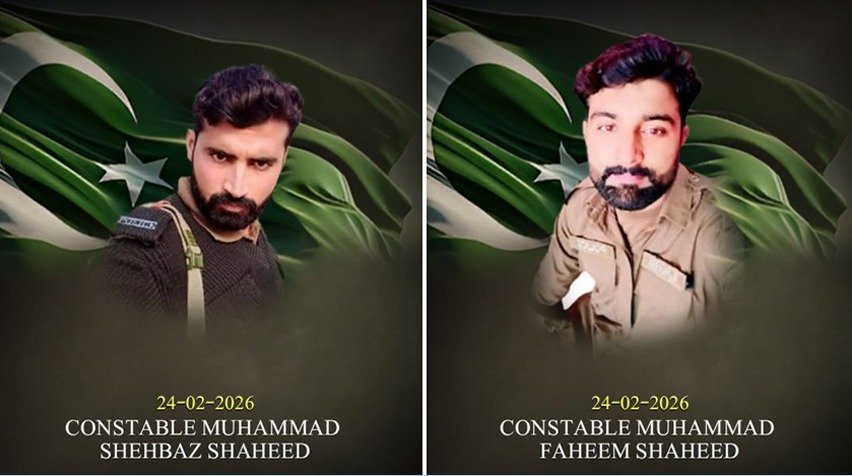

The Dajal Checkpost suicide assault in Bhakkar is more than simply another heartbreaking news story. Targeting the exact individuals who stand between common people and anarchy, it is a direct message sent by shock and blood. While protecting the country at a frontline station near the interprovincial border across the River Sindh, two security men were killed. They are worthy of more than a moment of sorrow for their sacrifice. It requires lucidity on what happened, why, and what has to happen next.
A checkpoint isn’t a kind representation. It serves as a hub for governmental presence, where assistance is often the first reaction in times of need, travel is tracked, and the law is upheld. The purpose is clear when a suicide bomber specifically targets a spot like that. This is an attack on the very order. It is an effort to penalize those who maintain the line in areas where the state may seem aloof, discourage crime, and keep the roadways secure. The location was not picked at random by the attacker.
Because it carries weight, he decided on a frontline security role. It stands for continuity, protection, and authority
Violence like this is planned and deliberate. Especially at times when politics is loud, and society is tense, it is intended to sow terror, upset order, and test the strength of the government and its law enforcement agencies. Terrorist organizations regularly monitor the atmosphere of the country. They research distractions, delays, and gaps. In addition to killing, they want to instill the belief that the state is unable to defend its own defenders, much less its citizens. Just as important as the physical aim is the psychological one.
Here, there is no moral haze. The purest form of moral and intellectual bankruptcy is suicide terrorism. It transgresses both Islamic and human values as well as fundamental social conventions. Islam hates anarchy and betrayal and prohibits the killing of innocent people. The sanctity of life, the need to uphold justice, and the duty to defend the vulnerable are all lessons from our religion. Religion is not represented by the terrorists who attack marketplaces, mosques, checkpoints, and patrols.
They stand for an anti-civilization radical agenda that can only destroy rather than create
It’s also critical to identify the trend right away. Such attacks are indicative of organized proxy terrorism supported by hostile foreign actors, with networks that take advantage of cross-border shelters and facilitation. Pakistan has often brought up the strategic issue of safe havens in Afghanistan; it is not only a catchphrase. The danger shifts from a local to a transnational one when extremists are able to reorganize, train, and plot outside of our borders. This fact should not, however, contribute to hopelessness. Pakistan has already encountered similar threats, adjusted, and retaliated. Despite complex politics and geography, the nation is steadfast in its commitment to combating and eliminating transnational terrorism.
The public acknowledgment feels different now. More and more people realize that the adversary is not a nameless, nebulous entity. They are aware of the Khwarij mentality, the agents of devastation who accuse the state, proclaim society filthy, and use false accusations to defend murder. This clarity is important because radicals benefit from uncertainty. Terrorists are given more room to recruit, raise money, and hide when a community debates whether murderers are mistaken, misunderstood, or somehow genuine.
The space becomes smaller when society accepts that they are criminals and rebels against humanity and religion
However, clarity is insufficient on its own. Political differences are often exploited by terrorism. Disagreements turn into violent incidents when people lose focus, coordination lags, and institutional trust erodes. When the country quarrels more than it faces danger, militants flourish. The reaction from Pakistan has to transcend political boundaries. It has to be based on institutional cooperation, strategic clarity, and national unity. This entails cooperative operational planning, seamless information flow, collaborative threat assessment, and public messaging that aids law enforcement without transforming tragedy into political theater.
Although courage is crucial, resilience is more than just being brave on the front lines. Cohesion as a country, focused activity, and a shared goal are the foundations of true resilience. It entails keeping the soldiers’ morale up by making sure they are adequately armed, trained, and supported, especially via medical response, compensation plans, and assistance for martyrs’ families. It also entails severing the funding, propaganda, and local facilitation channels that support terrorists.
There is a chain behind every assault, and with skilled, diligent labor, that chain may be broken
This is also a civic obligation. Unusual mobility often occurs initially in communities close to transportation corridors and border regions. Their participation is important because of trust rather than fear. In addition to protecting informants and treating individuals as collaborators rather than spectators, the state must bolster community policing. Public voices and the media must simultaneously behave responsibly. While sloppy language might obscure the identity of offenders and conflate the moral line, sensational reportage can increase dread. We must refuse to normalize violence, speak with accuracy, and grieve with dignity.
Instead of weakening our national determination, the death of two security guards at Dajal Checkpost should strengthen it. It was their responsibility to protect people so they could have normal lives. It is now our responsibility to pay tribute to them by being serious: cooperating over blaming, standing together over noise, and applying consistent pressure on the networks responsible for this assault. The goal of terrorists is for Pakistan to feel worn out and split. In Bhakkar and elsewhere, the right response is a nation that remains vigilant, remains together, and does not allow itself to be frightened.