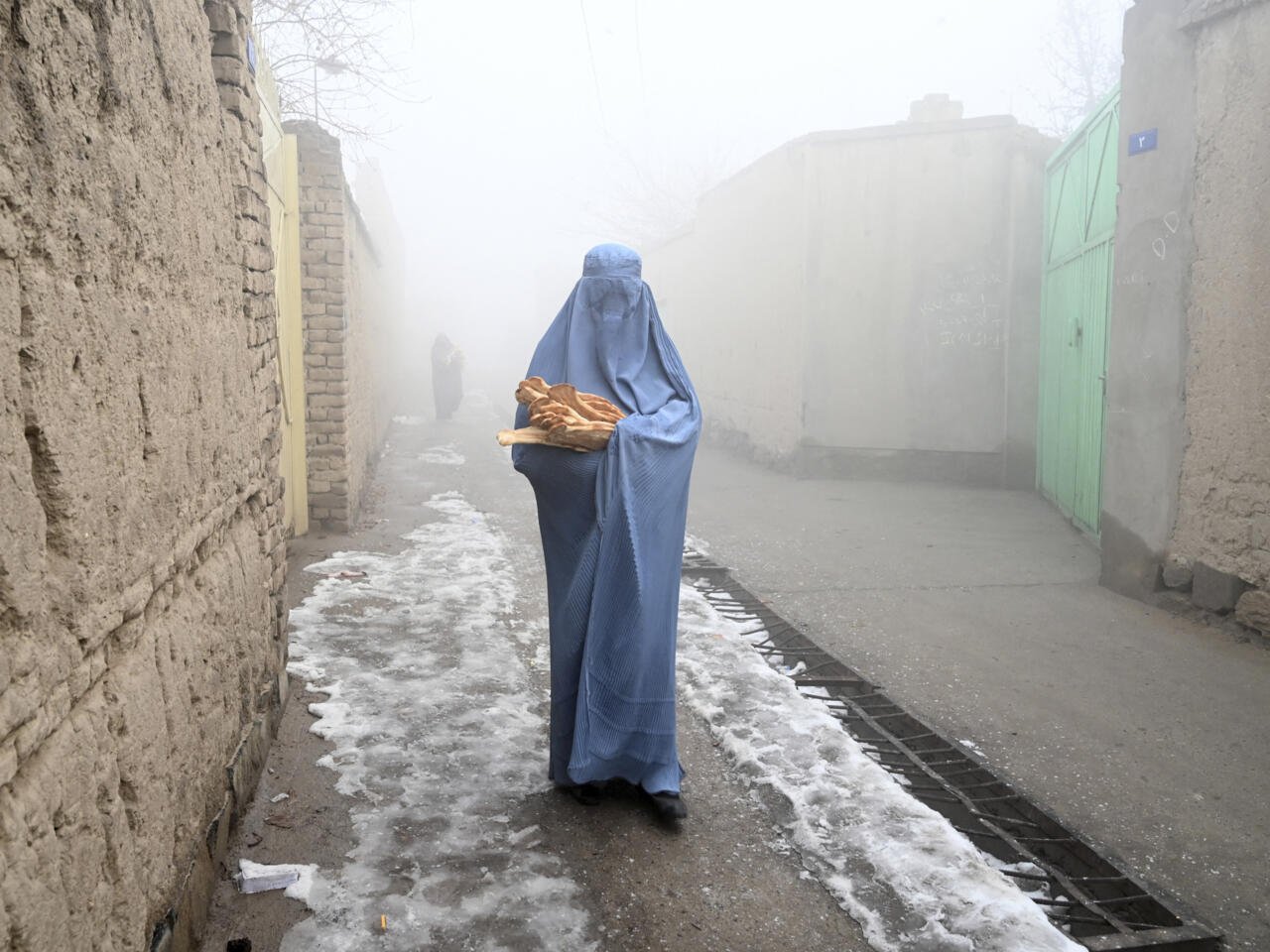

Afghanistan today stands as a painful example of how political domination without public welfare can drive an entire society toward despair. Under Taliban rule, the country’s humanitarian and economic crisis has worsened to an alarming extent, leaving ordinary citizens trapped between fear, poverty, and hopelessness. Reports emerging from different provinces, including Paktika, reflect a reality far removed from the slogans of stability and governance often projected by the regime. Instead of relief, the people are facing hunger, unemployment, isolation, and a collapse of normal life. In such conditions, it is not surprising that distressed Afghan citizens are now sending direct appeals to Pakistan’s political and military leadership, asking for urgent attention to their suffering.
A recent video message from an Afghan citizen reportedly highlighted the miserable state of life in Paktika province and presented a desperate plea for help. That appeal was not merely political; it was deeply human. It spoke of hunger, extreme poverty, and the near impossibility of surviving under a regime that has failed to create economic opportunity or ensure basic dignity for its people. When citizens begin speaking openly about their inability to feed their families, the failure is no longer administrative alone. It becomes moral, social, and historic.
The Taliban may claim control over territory, but control without compassion, bread, or justice is not governance. It is simply domination
What makes the current Afghan tragedy even more bitter is the contrast between symbolism and reality. According to the Afghan citizen’s account, the Taliban have raised their flags everywhere, imposing their presence across the country. Yet the spread of flags has not brought development, jobs, or relief. It has only reinforced the image of an authority more interested in asserting ideological control than solving the painful everyday struggles of the population. A government’s legitimacy is not measured by the number of banners it displays, but by the condition of the people living under its rule. By that standard, the Taliban regime appears deeply hollow. Its weaknesses are increasingly visible, and the gap between its claims and the lived reality of Afghans is impossible to ignore.
The economic breakdown in Afghanistan is central to this crisis. Poverty, unemployment, and food shortages have devastated countless households. The country’s internal fragility has become clearer with time, especially after the Taliban takeover. What was once presented as a new order now seems more like an exposed structure of weakness, unable to sustain itself without repression and narrative control. The claim that Afghanistan under Taliban rule is in no condition to engage in conflict is a telling one. A state that cannot provide food security, maintain trade balance, or keep its people hopeful is not strong, no matter how loudly it speaks of power.
Its internal collapse eventually reveals the truth behind the performance of authority
Another important factor is Afghanistan’s worsening regional isolation. The reported closure of the Chabahar trade route and the deterioration of relations with Pakistan point to a regime that has not only mismanaged domestic affairs but has also damaged its external options. Trade is the lifeline of struggling economies, especially landlocked states like Afghanistan. If routes are blocked, relations soured, and regional trust weakened, then the burden falls hardest on ordinary citizens. Markets shrink, food becomes scarce, prices rise, and livelihoods disappear. The Taliban’s political rigidity and confrontational posture have therefore not only produced internal repression but also external consequences that deepen public misery.
It is in this context that appeals to Pakistan take on serious meaning. For many Afghans, Pakistan remains the nearest and most consequential regional actor with both the strategic interest and capacity to influence events. When Afghan citizens call upon Pakistan’s government and armed forces to intensify action against the Taliban regime, their words reflect frustration with a ruling structure that they see as incapable of reform and unwilling to prioritise public welfare. Whether one agrees with the precise form of response being demanded, the desperation behind the appeal cannot be dismissed. These calls are a symptom of profound national suffering.
They indicate that parts of the Afghan population no longer see the regime as a source of order, but as the very cause of instability, hardship, and humiliation
Global observers have repeatedly warned that Afghanistan’s poverty, unemployment, and food insecurity are driving society toward deeper breakdown. The fact that Afghan citizens are now looking beyond their borders for help shows how severe the crisis has become. This is no longer simply an internal governance issue. It is a regional emergency with humanitarian, security, and political dimensions. Pakistan, because of geography, history, and security concerns, cannot afford to ignore the worsening collapse next door. At the same time, any meaningful response should keep the Afghan people at the centre, not merely strategic calculations. The real issue is not the survival of a regime, but the survival of millions of ordinary Afghans abandoned under it.
In my view, the Taliban’s rule has exposed the emptiness of ideological conquest without state capacity. Their takeover may have delivered them physical control, but it has also revealed their inability to build a functioning and humane order. The so-called state they claimed to inherit now appears weakened by internal failures and economic pressure. Afghanistan’s people deserve better than hunger under flags, fear under slogans, and isolation under misrule. Their appeal to Pakistan is, above all, a cry for dignity, relief, and rescue from a system that has brought them to the edge. The world, and especially the region, should listen carefully.