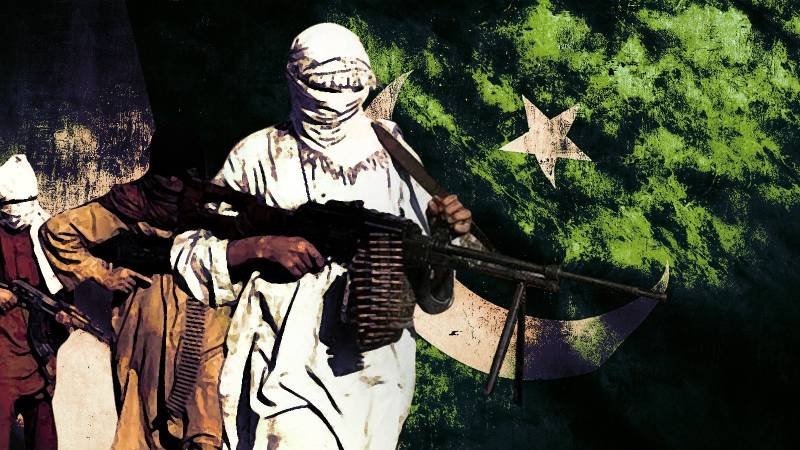
Pakistan’s latest counter terrorism operations in Bannu, North Waziristan, and Bajaur have reinforced a point that many officials have argued for years but struggled to document in a way that moves policy. Afghan nationals are not just passively present around the Tehreek e Taliban Pakistan and allied factions; they are appearing inside operational cells as fighters, bombers, guides, and enablers. When the military’s spokesperson says that, in ten major high-impact incidents in 2025, all seventy-eight attackers were Afghans, it is not a rhetorical flourish. It is an assertion meant to reshape how Pakistan and the wider region understand the threat.
The Bannu district, repeatedly hit by ambushes and sophisticated attacks, shows how these networks blend local terrain knowledge with external manpower and leadership. The killing of Ikramullah, known as Maulvi Insafullah, described in local reporting as a commander linked to the Hafiz Gul Bahadur group, matters beyond the headline value of another militant removed. It signals that the command ecosystem in the border belt is not a single brand name but a layered structure where factions cooperate, share logistics, and rotate personnel.
When Afghan nationals plug into that structure, they amplify its endurance, because they often move with fewer local baggage and a deeper reliance on cross border sanctuary
Bajaur provides a clearer, ground-level snapshot of the same trend. Pakistani security operations there have identified and killed militants described as Afghan nationals involved in violent activity inside the district. That matters because it cuts through the common dodge that Afghan citizens only provide shelter, introductions, or facilitation. An Afghan fighter inside a Pakistani district is not a bystander to someone else’s war; he is a participant in a deliberate cross-border campaign. The question then shifts from whether Afghan nationals are involved to how many are embedded, and in which roles, inside the shifting alliances of TTP-aligned groups.
North Waziristan’s Boya area adds another layer: organized suicide tactics tied to factional branding and claims of responsibility. Reporting on the Boya military camp attack described an explosive-laden vehicle, suicide jackets, and a coordinated assault that unfolded over hours. Suicide operations are not improvised acts of lone radicals. They require selection, training, indoctrination, surveillance, and command authorization. Even when the final attacker is local, the pipeline that produces these assaults increasingly appears regional, with planning and regrouping linked to spaces outside Pakistan’s immediate reach.
The same escalation shows up in technology. Militants in and around Bannu have used commercially available quadcopter drones to drop explosives, with reported civilian casualties and repeated strikes on police and security sites. This is not a primitive insurgency “making do.” It is an adaptive threat, studying what works, buying what is accessible, and iterating fast. Pakistan’s military has also publicly argued that terrorists carried out hundreds of quadcopter attacks in Khyber Pakhtunkhwa during 2025.
Whether every incident is claimed or not, the pattern is clear: these groups are broadening their tool kit, and they are doing it from networks that rely on cross border freedom of movement
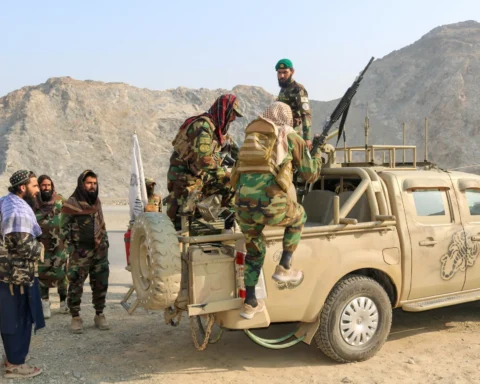
This is where Kabul’s role becomes the central policy issue. Afghanistan’s interim authorities deny harboring anti-Pakistan militants, and they frame the problem as Pakistan’s internal instability. Yet international reporting, including coverage of United Nations assessments, has described TTP scale operations from Afghan territory and support structures that make relocation and regrouping possible. Separate reporting has also noted Pakistan’s core grievance that senior TTP leadership benefits from sanctuary across the border, even as leaders themselves dispute location claims. For Pakistan, the practical outcome matters more than the argument: attacks originate, planners persist, and networks regenerate.
The diplomatic consequences are already visible. The October 2025 border clashes and Pakistan’s stated rationale that Afghan territory was being used for terrorist training and support networks, underline how quickly counter terrorism can bleed into state-to-state confrontation when non-state actors operate from permissive space. This is a dangerous dynamic for both countries. It hardens public attitudes, narrows the room for quiet cooperation, and raises the chance that miscalculation becomes policy.
Pakistan can keep disrupting cells inside its territory, but without credible cross border restraint, disruption risks becoming an endless cycle rather than a strategy with an endpoint
So what should follow from the evidence of Afghan national participation? First, Pakistan should keep treating identification as a strategic asset, not just a tactical detail. Naming, documenting, and sharing verifiable profiles of foreign fighters strengthens Pakistan’s case internationally and raises the political cost of denial. Second, border management and intelligence fusion must focus on the facilitation layer, guides, safe houses, transporters, and document handlers, because that is where foreign fighters become operational. Third, Pakistan’s messaging should stay anchored in civilian harm, because drones, suicide bombings, and targeted killings of local elders are attacks on communities, not on “the state” in the abstract. Finally, Kabul should be pressed toward a transparent mechanism that moves beyond statements, because in the current trajectory, denial is not neutrality; it functions as enablement.