
Afghanistan today is witnessing one of the gravest human rights crises in the world. Nearly five years after the Taliban returned to power, the country has descended into an atmosphere of repression, fear, censorship, and systematic denial of basic freedoms. Promises of stability and moderation have been replaced by authoritarian governance that relies on intimidation, ideological control, and the suppression of dissent. Women have been erased from public life, journalists silenced, minorities marginalized, and millions of ordinary Afghans pushed toward poverty and despair.
Reports released by the United Nations Human Rights Office, Human Rights Watch, Amnesty International, and regional monitoring organizations during 2025 and early 2026 present a deeply disturbing picture of modern Afghanistan. The evidence shows a pattern of institutionalized abuses that extend far beyond isolated incidents. Afghanistan under Taliban rule is now defined by systematic repression rather than governance based on inclusion or legitimacy.
The most alarming aspect of Taliban rule remains the persecution of women and girls. In July 2025, the International Criminal Court (ICC) issued arrest warrants against Taliban Supreme Leader Haibatullah Akhundzada and Chief Justice Abdul Hakim Haqqani on charges of crimes against humanity related to gender persecution. The ICC described the Taliban’s actions as a systematic attempt to erase women from public life. This marked one of the strongest international legal responses to the Taliban’s policies since their return to power.
Afghan women today face some of the harshest restrictions anywhere in the world.
Girls remain banned from secondary schools and universities, depriving an entire generation of education and opportunity. Women have been forced out of professions, restricted from movement without male guardians, and excluded from public spaces through increasingly harsh decrees. Taliban authorities have even banned books written by women in universities.
The Taliban’s Ministry for the Promotion of Virtue and Prevention of Vice has become the central force behind these restrictions. Under its directives, women’s voices and visibility in public life have been aggressively suppressed. Reports indicate restrictions extended even to women reciting the Quran or singing publicly. Such measures demonstrate the Taliban’s determination to regulate not only public behavior but also personal identity and freedom of expression.
The assault on freedoms is not limited to women. Journalists, activists, academics, and civil society members continue to face intimidation, arbitrary detention, and torture. Afghanistan’s independent media sector, once one of the country’s few democratic achievements, has been systematically dismantled. Journalists now operate under constant fear, while many outlets have shut down due to censorship and threats.
Taliban authorities increasingly rely on surveillance and coercion to maintain control. Reports document monitoring of digital communications and social media activity. Citizens accused of criticizing authorities risk detention without due process, often disappearing into a system lacking transparency or accountability. Amnesty International documented torture methods including electric shocks, beatings, waterboarding, and threats against families.
This climate of fear has silenced Afghan society. Ordinary citizens avoid political discussion, knowing criticism can bring dangerous consequences. Public debate has largely disappeared, replaced by self censorship and fear. Afghanistan has become a society where silence is viewed as the safest survival strategy.
Ethnic and religious minorities remain vulnerable. The Hazara community continues to face discrimination, exclusion, and targeted violence. Historical persecution against Hazaras has left deep scars, and current policies are reinforcing divisions. Hazara representation within state institutions has almost disappeared, while attacks against minorities raise serious concerns. Their exclusion weakens social cohesion and threatens long term stability.
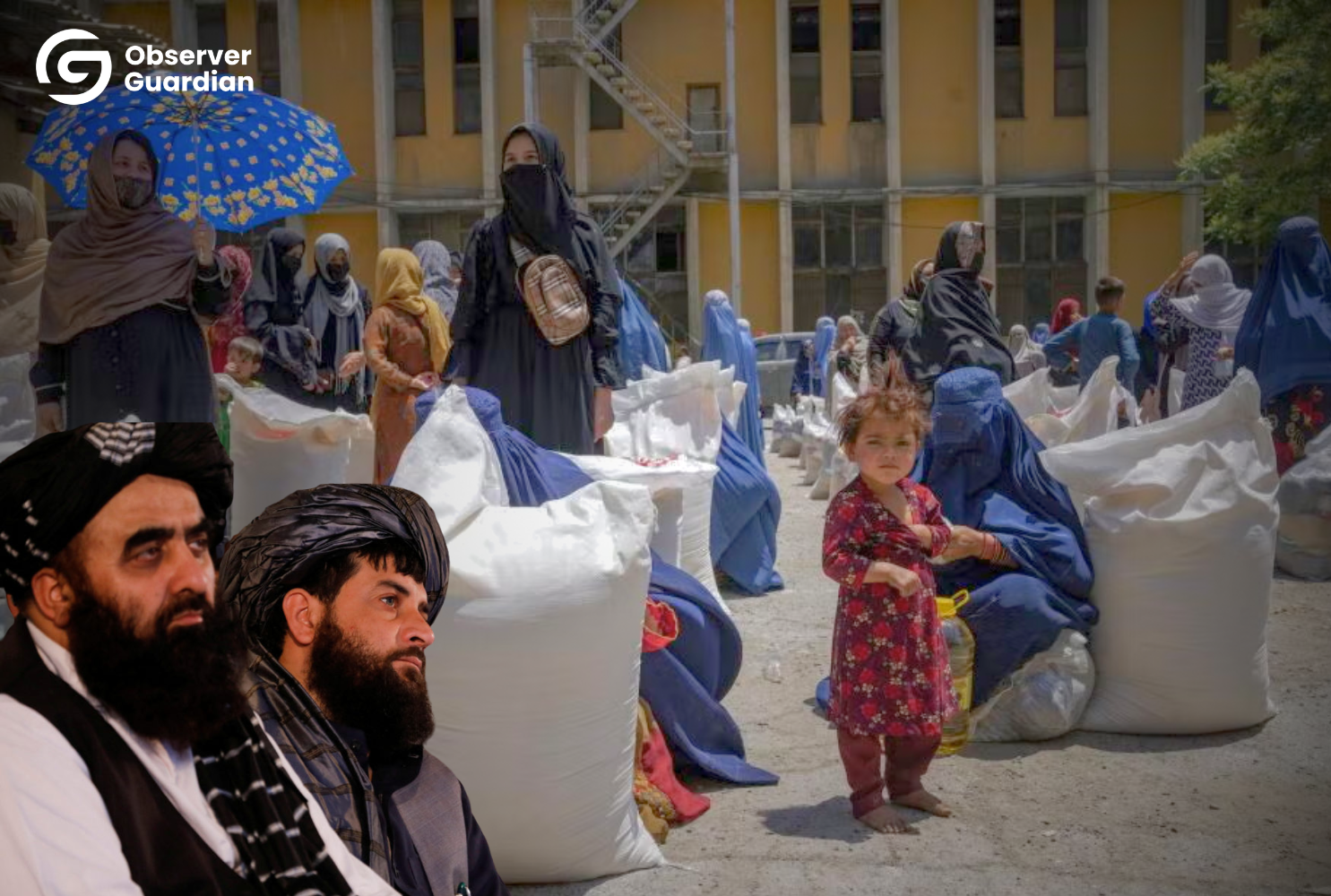
Meanwhile, Afghanistan’s humanitarian crisis is worsening. According to United Nations assessments, nearly 22 million Afghans will require humanitarian assistance in 2026. Millions face food insecurity, while economic collapse and unemployment devastate families.
The reduction in international aid has intensified suffering. Hundreds of healthcare facilities have closed, leaving populations without medical treatment. Children face rising malnutrition, and families resort to child labor and forced early marriages.
Taliban restrictions on humanitarian operations have further complicated relief. Since September 2025, Taliban forces reportedly prevented Afghan women, including UN staff, from entering UN premises. These restrictions disrupted humanitarian coordination and further isolated Afghan women.
In January 2026, the Taliban approved a new criminal code expanding vice and virtue laws and reinforcing ideological enforcement. Experts warned the code institutionalized authoritarian practices and weakened legal protections. The measures reflected a broader strategy of consolidating power through fear rather than addressing humanitarian and economic challenges.
Afghanistan’s crisis carries regional consequences. Continued repression fuels displacement, instability, and fragmentation. Millions of Afghan youth grow up without education, opportunity, or hope. Such conditions create long term instability threatening regional security and Afghanistan’s future.
Despite overwhelming evidence of abuse, international attention has faded. Global focus has shifted elsewhere, while Afghan civilians endure suffering in silence. This decline risks normalizing repression and allowing impunity to deepen.
The international community cannot afford indifference. Humanitarian aid must reach vulnerable Afghans, but accountability must remain a priority. Organizations must continue documenting violations, supporting independent monitoring, and pressuring Taliban authorities to respect human rights.
Afghanistan’s people are enduring a catastrophe in plain sight.
Women erased, journalists silenced, minorities marginalized, and millions driven toward hunger and poverty. The world already possesses the evidence of abuses. The real question is whether the international community has the determination to respond before Afghanistan’s social fabric is damaged beyond repair.
Disclaimer: The views and opinions expressed in this article are exclusively those of the author and do not reflect the official stance, policies, or perspectives of the Platform.