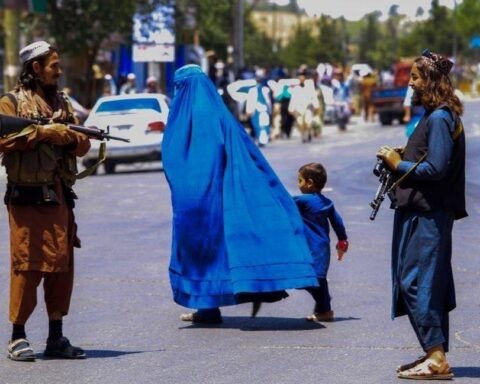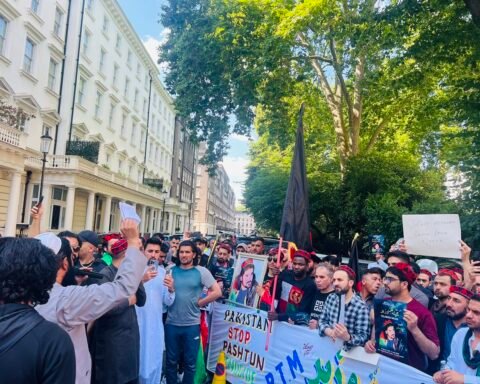
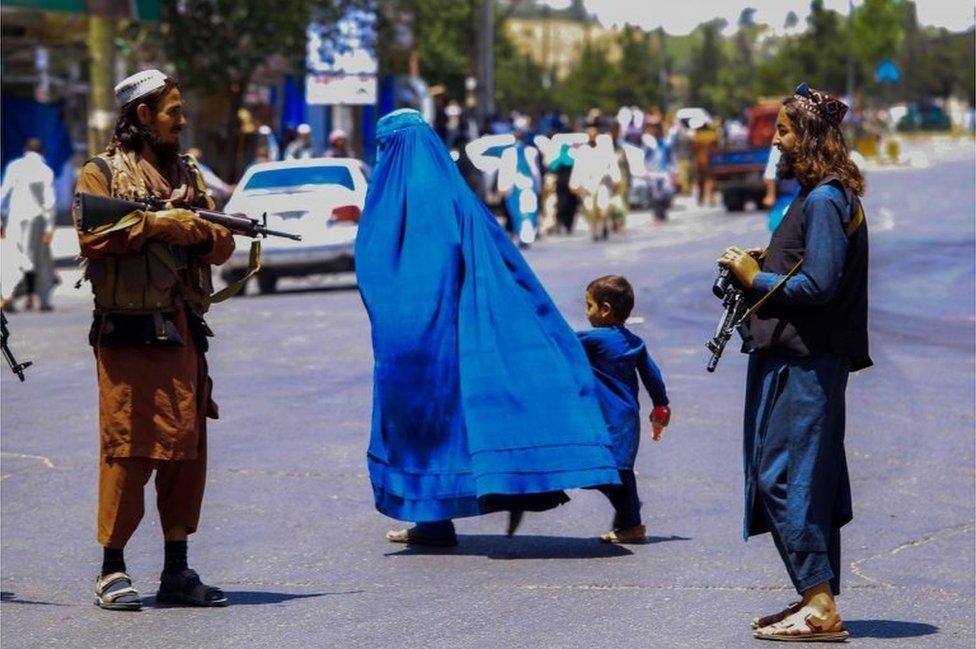

The most troubling measure of a government is not what it says, but what spills across its borders. In the case of Taliban ruled Afghanistan, the concern growing in Pakistan is no longer limited to ideology, refugee pressure, or strained diplomacy. It is increasingly tied to violence in its most lethal and modern forms. The perception taking hold is stark: Afghanistan is not exporting stability, commerce, or regional confidence, but the tools of asymmetric warfare, suicide bombers, and weaponized drones. Whether the Taliban authorities reject that charge or not, the political and security consequences of that perception are becoming harder to contain.
Pakistan’s security debate has changed in recent years. The old language of border management and militant sanctuaries is now merging with a newer and more dangerous vocabulary, one that includes remotely delivered attacks, loitering munitions, and the continued use of human beings as disposable weapons. That combination is especially alarming because it fuses the oldest form of militant brutality with one of the newest forms of low-cost battlefield technology.
Suicide bombers spread fear through spectacle and psychological shock. Suicide drones do something similar with range, deniability, and precision. Together, they represent a grim toolkit for destabilization
What makes this issue so serious is not only the violence itself, but what it suggests about the space Afghanistan has become under Taliban rule. A neighboring state can survive tense rhetoric. It can even survive border disputes and irregular migration. What it cannot normalize is the steady bleed of militancy, especially when that militancy appears to draw strength, shelter, or inspiration from across the frontier. Pakistan’s concern is therefore larger than individual attacks. It is about whether Afghanistan is turning into a permissive environment from which nonstate actors can project force outward with growing confidence.
The symbolism matters as much as the tactics. When a country becomes associated with suicide bombers, it signals ideological radicalization that remains active and recruitable. When it also becomes associated with suicide drones, it signals adaptation, learning, and technical diffusion. That is not just a law and order issue. It is a warning that militancy in the region is evolving. Groups no longer need large infrastructure, armored vehicles, or formal battle lines to create strategic disruption. They need a willing recruit, a cheap drone, a permissive sanctuary, and a target across the border. That is enough to keep an entire frontier unstable.
For Pakistan, this creates a deeply uneven burden. It must guard against infiltration on the ground while also preparing for threats from above. It must deal with the political fallout of recurring attacks while answering public frustration over why violence persists despite years of military operations. It must also manage the diplomatic complexity of confronting a neighbor whose rulers seek international legitimacy while facing accusations that their territory remains tied to militant activity.
This tension makes a clean policy response difficult. Restraint can look like weakness, but escalation carries risks of its own
The Taliban authorities, for their part, face a basic test of credibility. A government that seeks recognition cannot remain insulated from what armed actors do on its soil, near its borders, or in its name. It is no longer enough to issue blanket denials or point to the chaos of the past. State responsibility begins with control. If Afghanistan is seen, fairly or unfairly, as a source of suicide bombers and weaponized drones entering Pakistan’s security environment, then the Taliban regime will find it harder to present itself as a force for order. Its external image will be defined less by official statements and more by the pattern of violence linked to the territory it governs.
That is why this issue goes beyond bilateral mistrust. It affects the wider region. No state wants a neighboring country to become a launchpad for adaptable, ideologically driven violence. No investor, transit planner, or regional forum can talk seriously about connectivity while the border remains vulnerable to militant spillover. Trade corridors cannot flourish where bombings and drone strikes shape the political mood.
Regional peace requires predictable borders, accountable authority, and a visible effort to suppress armed proxies. Without that, every promise of economic integration sounds detached from reality
There is also a deeper moral collapse in this pattern. A society that becomes known for exporting human bombs and flying munitions is not simply trapped in conflict. It is trapped in a system where violence keeps reproducing itself in new forms. That should concern Afghans as much as Pakistanis. Afghanistan deserves to be known for resilience, culture, and commerce, not for the outward flow of fear. Yet that more hopeful future cannot emerge while militant networks operate in the shadows of state weakness or state denial.
In the end, perception itself can become a strategic fact. If Pakistan increasingly views Taliban ruled Afghanistan as a source of suicide bombers and suicide drones, then mistrust will harden, border tensions will deepen, and the space for cooperation will narrow further. The tragedy is that this was not inevitable. Afghanistan could have been a bridge in the region. Instead, it risks being seen as a corridor for instruments of asymmetric violence. Until that changes in a visible and credible way, the shadow over Pakistan will remain, and the promise of regional stability will continue to recede.