
Afghanistan is sitting on mineral wealth that could help rebuild a shattered economy, but under Taliban rule, it is being used in a way that makes the country poorer, angrier, and more dangerous. The problem is not mining by itself. The problem is who controls it, how it is run, and where the money goes. When armed men decide who digs, who gets paid, and who is allowed to complain, mining stops being an economic activity and turns into a system of control.
In many parts of the country, the Taliban have treated mines the same way they treat checkpoints and customs posts, as a source of cash and loyalty. Local operators are pushed out, permits are denied to residents, and control is handed to trusted figures inside the movement or to allied armed networks. Contracts, if they exist, are often hidden from the public. Communities are told this is state-building, but nothing about it looks like a normal state.
There is no open bidding, no published revenue figures that can be checked, and no clear plan for local reinvestment
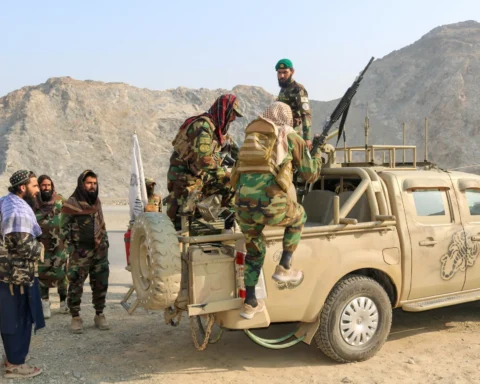
The unrest in Takhar and Badakhshan shows what happens when people refuse to accept that arrangement. When Taliban backed forces seized control of local gold mines, residents protested because they saw dispossession, not development. Reports of gunfire on civilians, property destruction, and the role of armed networks tied to Bashir Haji Noorzi underline a blunt truth. This model depends on force. It does not depend on consent. Noorzi’s background in illicit trade matters here because the skills that move drugs across borders can also move gold, cash, and supplies through shadow routes. That is exactly what a closed mining economy needs.
The Taliban often claim they have brought security, but the kind of security they mean is the security of the extractor. A mine can be quiet because people are afraid, not because grievances are solved. When security forces are sent to guard pits and crush protests, they are not protecting the population. They are protecting revenue. That difference is not academic. It shapes how communities see the regime, and it shapes how violence spreads. A system that relies on intimidation will face resistance, and then it will answer resistance with more intimidation.
The financial stakes are huge. Gold mining in northern provinces can generate tens of millions of dollars each month, and estimates for annual revenue from Badakhshan alone reach into the hundreds of millions. Even if exact figures are hard to verify, the direction is clear. This is big money in a country where most people struggle to buy food and fuel.
When communities see wealth extracted from their land while their roads, clinics, and schools remain broken, anger becomes predictable. That anger does not disappear. It waits, and it grows
The regional stakes may be even bigger. Mining revenue does not just buy vehicles and salaries. It can fund weapons, training, and safe houses. The Taliban’s tolerance for Al Qaeda elements, and the links between Afghan territory and militant groups that attack neighbors, mean that cash from mines can strengthen networks that operate beyond Afghanistan. Support for the TTP adds another layer of risk for Pakistan, since money and movement across the border can turn local conflict into a steady pressure point. Resource cash in the wrong hands becomes a long term stream for violence, not a one time windfall.
The damage is not only security-related. Mining under weak or absent rules causes deep harm to land and water. Mercury and cyanide use in gold extraction can poison rivers and irrigation channels, and it can take years to show up as visible disease. Heavy metals can build up in soil and food, affecting children first and worst. Livestock, fisheries, and farmland suffer, which means families lose income and nutrition at the same time.
When a regime lacks the capacity or the will to enforce standards, mining becomes a slow disaster that spreads beyond the mine itself
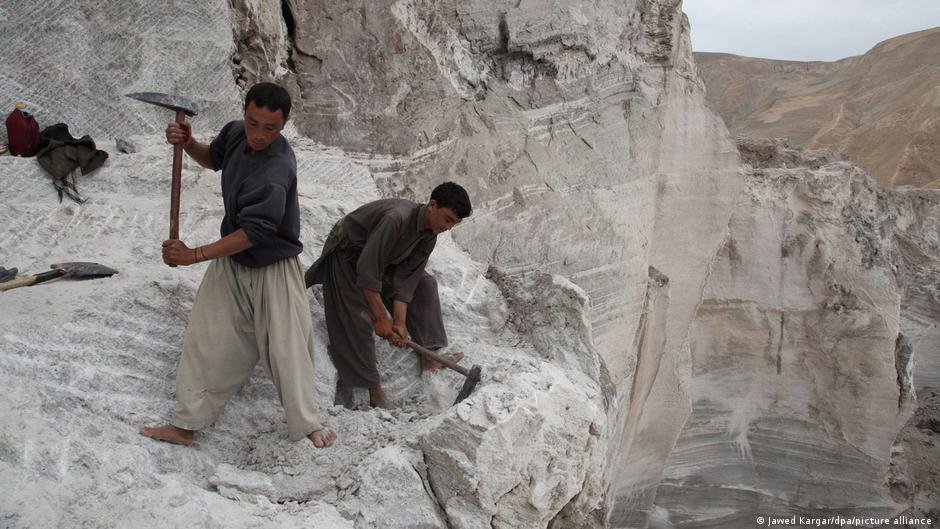
Workers also pay the price. In many sites, laborers dig without basic gear, without safety rules, and without any promise of compensation if someone dies. Tunnel collapses and landslides are treated as routine. That is not normal. It is a sign of a labor market shaped by fear and desperation, where a worker’s life is cheaper than a day’s output. The Taliban present themselves as guardians of order, yet the order they enforce allows preventable deaths and then hides them.
So what should the outside world take from this? First, Taliban mining should not be treated as a neutral business sector. It is tied to repression and to armed funding streams. Second, countries and companies that buy Afghan minerals, directly or through middlemen, should assume a high risk of smuggling and militant financing unless proven otherwise. Third, neighbors who want stability should focus on the money trail, not only on border fencing and raids. Cash from mines moves through traders, transport routes, and informal networks. Disrupting those channels is often more effective than chasing fighters after they are already armed and deployed.
There is also a moral point that cannot be ignored. Afghanistan’s resources belong to its people, not to a ruling movement that took power by force and governs without consent. When extraction happens without transparency, without local rights, and without public benefit, it becomes theft dressed up as policy. It also keeps Afghanistan trapped in a cycle where violence funds more violence. The country does not need more pits guarded by guns. It needs the rule of law, open contracts, community consent, and revenue that pays for services. Until that changes, Taliban control of mining will keep financing instability at home and exporting risk across the region.