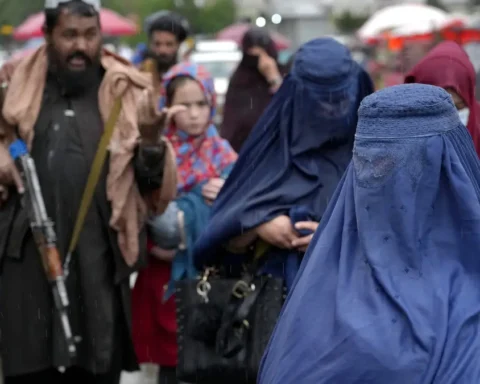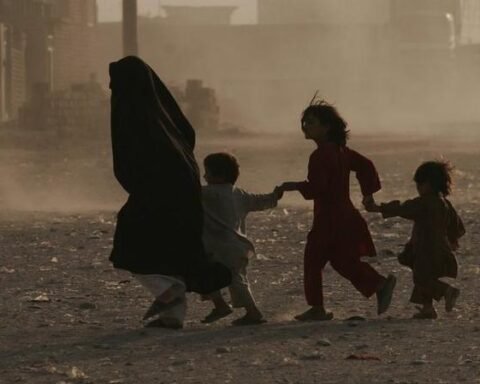
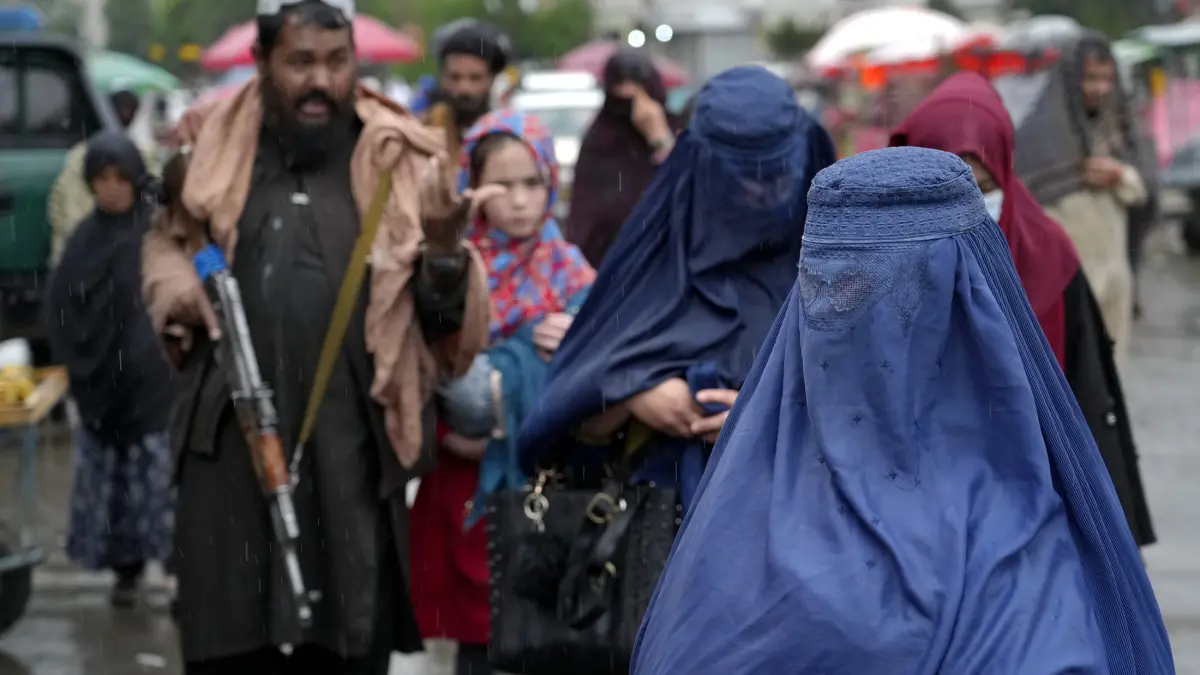

The consistent use of physical punishment in public settings in Afghanistan is not only a matter of policy decisions made at the local level; rather, it is an intentional message. The Taliban are utilizing public suffering as a means of maintaining their control. This is done with the intention of instilling fear, demonstrating power, and defining the sort of society that they want. When experts from the United Nations advise that this is a violation of international human rights law, they are referring to something that is more significant than the actual lash itself. These individuals are sounding the alarm about a system that is being reconstructed around the use of force, humiliation, and the elimination of fundamental safeguards that prevent power from deteriorating into cruelty.
It is clear from the stats alone how quickly this is expanding. As many as 1,110 persons were publicly flogged in the year 2025, with 170 of those victims being women. This is over twice as much as the sum that was recorded in 2024, and preliminary data from 2026 indicate that the rate is continuing to increase. Statistics might seem a little chilly, but in this context, they are important because they demonstrate purpose. In severe circumstances, this is not an uncommon kind of punishment.
It is starting to become a routine. As a result of it being normalized, produced, and repeated often enough, communities are beginning to regard it as if it were a regularly occurring public situation
People who advocate for heavy punishment often say that it discourages criminal behavior and helps to restore societal order. On the other hand, deterrence is not a free pass. It is possible for a state to combat thievery, drug use, or gambling without impairing the dignity of its citizens in front of large audiences. Flogging in public is not a form of law enforcement; rather, it is a kind of spectacle. The punishment is transformed into a public event, and the community is invited to see the misery that is being inflicted upon them. All of those concerned are affected by it. Additionally, it teaches bystanders to accept violence as a kind of government, which is detrimental to the sufferer. The purpose of the punishment, which may take place in a public plaza or a stadium, is not limited to the correction of a single individual. The objective is to serve as a warning to everyone else that terror transcends the law.
This dread becomes much more intense when one considers who is punished and the reasons behind it. Many victims are males who are suspected of committing crimes linked to gambling, drug usage, or theft. Regardless of whether or not you believe any of these allegations to be genuine, the reaction is still important. The existence of international human rights norms may be attributed to the fact that nations have a long history of using punishment as a means of oppressing the unpopular, the helpless, and the destitute. Those communities in which individuals already have limited tools to protect themselves are the ones that are hurt the most by punishments that are both physical and public.
When it comes to investigating corruption, it is much simpler to fire a worker. Punishing those who commit crimes on the street is a simpler task than constructing a judicial system that is effective
When it comes to women and those who identify as LGBT +, the situation is even more concerning since they are subject to punishment for what the authorities refer to as moral offenses. That label completes a great deal of labor. It makes it difficult to differentiate between causing damage and defending one’s identity, as well as between protecting the public and exacting compliance. When morality is transformed into a criminal code, it often becomes a weapon against individuals who are unable to defend themselves in a secure manner. Women’s lives are first restricted by limits on mobility, employment, and education, and then they are punished for breaking regulations that were supposed to be hard to live under. This leads to a reduction in the quality of life for women. Additionally, the stakes might be much higher for persons who identify as LGBT+ due to the fact that the mere allegation can attract violence, and the court procedure provides very little protection.
The absence of due process is the most damning aspect of the situation. Instances in which individuals are punished without having fair hearings, without having legal counsel, and without having a significant opportunity to contest charges have been denounced by experts from the United Nations. That is the fundamental problem. The effectiveness of a judicial system is not only determined by the severity of the penalties it imposes, but also by the guarantees it offers. The topic of whether or not the state is harsh on crime is irrelevant if a criminal may be punished within a short amount of time, in public, and with severe punishment. There is an issue over whether or not the state is responsible in any way.
When proper procedure is not followed, punishment evolves into a shortcut. It turns into a means of control that avoids proof, avoids criticism, and avoids the laborious process of establishing confidence in institutions
The specifics that have been disclosed add even another layer of damage. Floggings are often carried out in public, sometimes in front of youngsters, and are typically set at a rate of 39 lashes. It is unacceptable for any culture to educate youngsters that authority is synonymous with violence. This does not instill a sense of respect for the law when one witnesses a human body being hit repeatedly. Numbness, worry, and imitation are among the symptoms that are brought about by it. Additionally, it leaves communities in a harsh situation since individuals may feel compelled to attend or to act supportive, merely for the sake of protecting themselves. To put it another way, public punishment is not only an assault on the person who is being punished. In other words, it is an assault on civic life and the concept that public space is the property of all individuals.
The question is, what should the world do when criticism has not been successful in stopping the practice, and early 2026 indicates that it is becoming worse? To begin, it is important to be clear. It is imperative that actors on the international stage cease dismissing the issue of physical punishment as a cultural tidbit or a domestic concern. In addition to being a violation of human rights, the pattern shows that it is a component of a larger system of repression. In the second place, the pressure needs to be specific and applicable. There is a place for hazy comments and quiet diplomacy, but they should be accompanied by explicit punishments for persons and organizations that were complicit in abuses, as well as particular support for documentation initiatives that preserve evidence for future accountability. Third, assistance needs to be centered on providing protection.
The people of Afghanistan should not be punished by the rest of the world because they are already suffering; yet, help should be provided with safeguards that decrease the possibility of allowing abusive systems
In addition, there is a propensity, particularly outside of Afghanistan, to see these sanctions as being far away and unavoidable. That is a risky situation. When public flogging becomes the norm in any given location, it undermines the worldwide commitment to maintaining dignity in every single place. A message is sent that suffering may take the place of legal authority, and that identification might be interpreted as guilt. In their appeal for greater international action and a stop to the use of corporal and death punishment, experts from the United Nations are absolutely correct. Nevertheless, there is a fundamental moral boundary that must be crossed here. The construction of justice is not being done by a government that requires public lashing to demonstrate its power. It raises the level of terror. The terror that is imposed as a public system does not remain neatly contained in the town square after it has been built. It may take centuries to reverse the damage that it has caused since it extends into families, schools, courts, and brains.