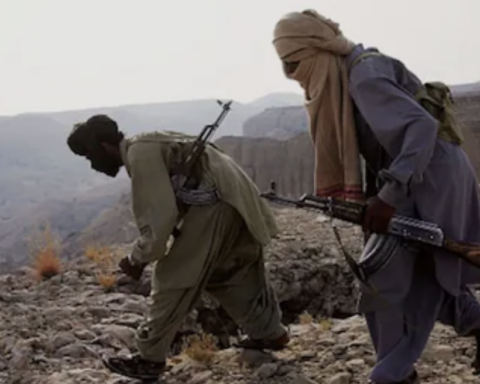
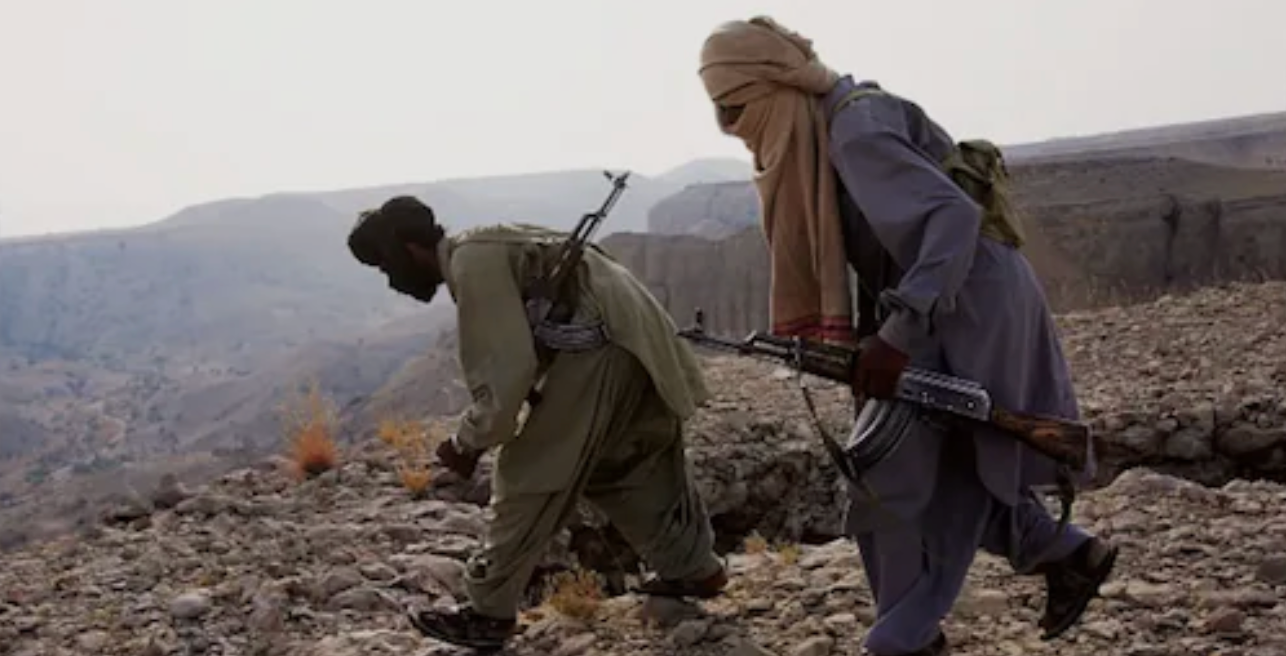

Balochistan has become a location where two discourses coexist but seldom intersect. One is about genuine difficulties, such as water shortages, inadequate education, insufficient health care, unemployment, instability, and a strong feeling of being overlooked in national decision-making. The other is about a narrative: Balochistan is “occupied,” the state is “foreign,” and hence violence is acceptable. The first discourse is rooted in personal experience. The second one is a political weapon. If we treat them all the same, we wind up assisting the same forces that wish to transform dissatisfaction into violence.
The initial chat should be regarded seriously and without defensiveness. For far too long, Baloch individuals have believed that their concerns are only acknowledged when they escalate into a catastrophe. This trend is both unethical and harmful. It educates individuals that peaceful civic engagement is futile. It also creates a vacuum in which extreme organizations might intervene and claim to be the only ones “listening.”
The state cannot respond to that assertion by sending additional speakers. It can only compete by resolving visible and measurable problems and treating residents with fundamental decency in everyday government
However, seriousness requires a clear understanding of rhetoric. “Occupation” is not a neutral description. It’s a context that alters what young people believe is acceptable. An angry individual may still envisage courts, elections, negotiations, journalists, and protests in everyday politics. Those paths lose value under the “occupation” framing since the state is represented as inherently illegitimate. Why file a petition if it is foreign? If it is alien, why vote? If it’s alien, why compromise? Violence becomes the only “logical” result. That is why recruiters like this language. It accomplishes half of the job for them.
There’s also a moral trap here. People presume that if a youngster is furious, any outlet is preferable to none. That is untrue. Anger may be directed into useful civic activity or twisted into hate. The second way does not free anybody. It shatters communities, escalates governmental repression, and scares away teachers, physicians, and investors.
It also fosters a politics of fear in which the strongest voices are those eager to threaten. The silent majority becomes quieter. Then, fanatics pretend to represent everyone
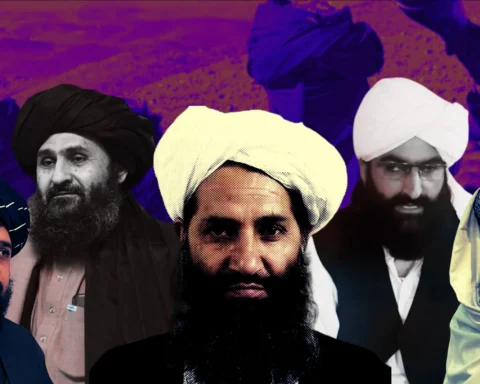
So the main issue is not just “What are the grievances,” but also “What is the pathway offered to the youth?” Currently, radical recruiters provide a seemingly straightforward approach. They provide identification, a tight-knit community, money in certain situations, and a clear moral tale. Their argument is straightforward: your life is difficult because an adversary is doing this to you; join us and be a part of a struggle that gives your misery significance. It is an effective pitch, particularly for young people who feel trapped or embarrassed.
The state and mainstream society often reply with two weak counter-offers. One is force. The other option is denial. Force only heals symptoms, not causes. Denial disrespects people’s intellect. Both may backfire. If you want recruiting to decrease, you must provide an alternative option: a realistic road to dignity that does not include violence. And “credible” is the difficult part. Youth will not risk their future on ambiguous promises, particularly if they have already seen promises broken.
A respectable path contains four pillars, plus one that many overlook. First, genuine education. Not only structures and enrollments, but also attendance, learning results, and campus safety. Second, abilities related to real employment. Training must be linked to companies, apprenticeships, and placements, or it will become a new type of disappointment. Third, there are clean employment and enterprise support options. Transparent hiring, local procurement, small company protection, and equitable access to contracts are more important than ribbon ceremonies. Fourth, security that ensures regular existence.
People should be allowed to travel, study, and work without being caught between radicals and heavy-handed law enforcement
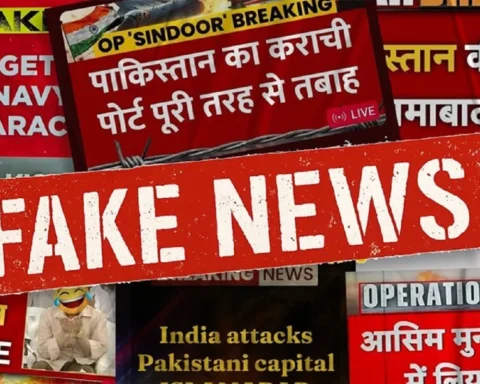
The fifth pillar is truth. In conflict-prone places, truth is more than a slogan; it is infrastructure. If people feel that institutions lie, every government activity becomes dubious. A development project becomes “a cover.” A successful law enforcement operation becomes “staged.” Scholarship programs become “for show.” In such a context, even true progress fails to generate trust since trust is based on belief rather than output. Misinformation spreads quickly in low-trust environments and becomes a recruitment tool.
This is where the informational struggle has to be handled with caution. Countering disinformation does not imply censorship. It denotes transparency, documentation, and consistency. Publish project costs and schedules. Share precise information on employment, scholarships, and service delivery. Investigate abuses in public and demonstrate results, not just press comments. Allow local journalists to operate freely while also protecting them from extremists and harassment. Create ways for families to report grievances and get replies. When the state confesses and corrects a mistake, it is not demonstrating weakness, but rather trustworthiness.
At the same time, society should resist the “foreign state” concept while acknowledging the grief. The message should be straightforward: you may seek rights without launching a war against your own nation. You may criticize institutions without disrespecting other citizens. You may advocate for autonomy, equitable resource allocation, and justice while opposing gun recruiting.
This is not a concession to tyranny; it is a commitment to a plan that does not jeopardize your own future
It also helps to express what extreme organizations often conceal. They are not simply fighting the state. They put pressure on local communities, intimidate dissident Baloch voices, blackmail companies, and penalize those who refuse to participate. They see the young as disposable. When a young man dies, leaders seldom bear the expense. Families do. And the province loses another student, another employee, another opportunity.
Balochistan’s problem cannot be remedied with a single policy or action. It will be resolved when justice and growth alleviate genuine complaints, while truth and honest communication deplete the oxygen of disinformation. If we just complete one side, the other will undo it. Development that lacks credibility will be disregarded. Messages that do not alter will be derided. Security without dignity will incite fresh rage. Dignity without security puts people at the hands of extremists.
The decision isn’t between quiet and violence. There is a third option, which is the only one that can support a varied nation. Protect dissent, penalize recruiting, improve services, provide data, and speak truthfully. Give adolescents a path to dignity that is quicker than despair and safer than a firearm. When that road exists, the phrase “occupation” loses its appeal since the future no longer seems like a battlefield but rather like a location to establish a life.