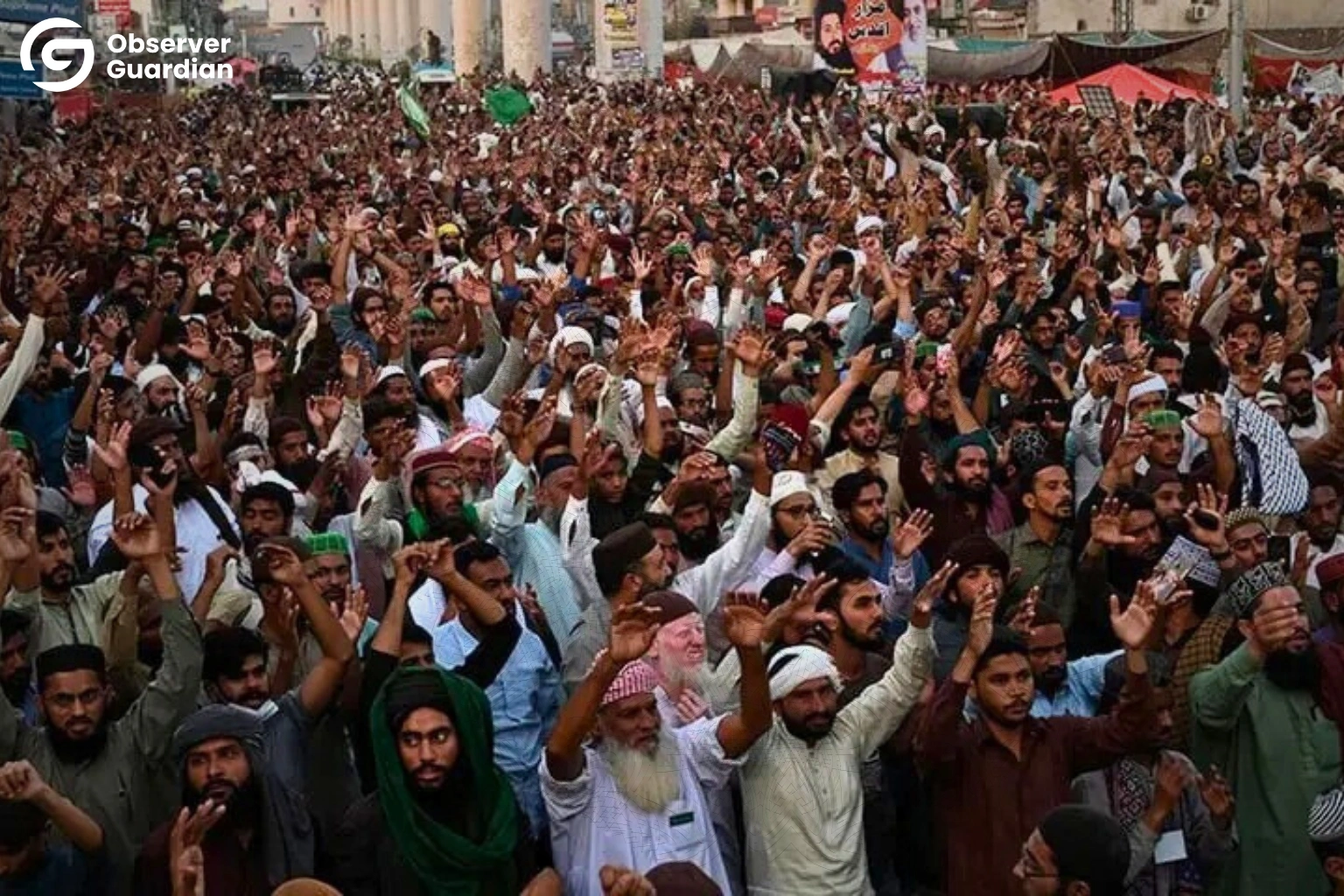

The government’s decision to impose a ban on Tehreek-e-Labbaik Pakistan (TLP) was a measured step, not one taken in haste. It followed decades of recurrent turmoil, bloody protests, and the outright contempt with the rule of law by the group. Although freedom of expression and protest are among the basic rights, it no longer remains legitimate when it poses danger to life, hinders the routine, and compromises the stability of the nation.
The TLP ban was eventually concerned with drawing a proper line between peaceful dissent and violent extremism.
A Trend of Violence and Intimidation
The political activism of TLP has always become an opposition. They frequently close large highways, freeze cities, and the demonstrations frequently culminate in the injuries of police and citizens. Both public and private property have been destroyed in the name of defending faith. Their protests again erupted into full scale brawls with the police and the citizens with fear as well. This was aggravated by the inflammatory speeches and threats of leadership to state institutions. The institutions turned what otherwise would have been a political discourse into an open enmity.
Furthermore, when protest becomes a destruction, then the cause itself becomes inconsequential. The strategy of TLP was determined between activism and anarchy, which demonstrated that disorder could not be the answer to complaints. Their actions eroded trust in peaceful protests and encouraged those who saw violence as a path to political gain.
A Threat Beyond Politics
The only thing that was hazardous about TLP was not the physical violence itself but a certain ideology that supported it. They frequently used their rhetoric against opponents, the government, and even the courts, undermining social unity and national cohesion. Sectarianism was also employed in the movement to divide communities based on religious slogans that were used to justify aggression. This kind of abuse of religion in political interest is a constant threat to the already weakened social structure of Pakistan.
However, the government knew that condoning this would set a wrong precedent. States cannot afford to allow groups to take its cities at ransom in the name of religion and politics. It was not a ban on dissent that was required in the case of banning the TLP, but the termination of a reign of intimidation that merely had the appearance of a cause.
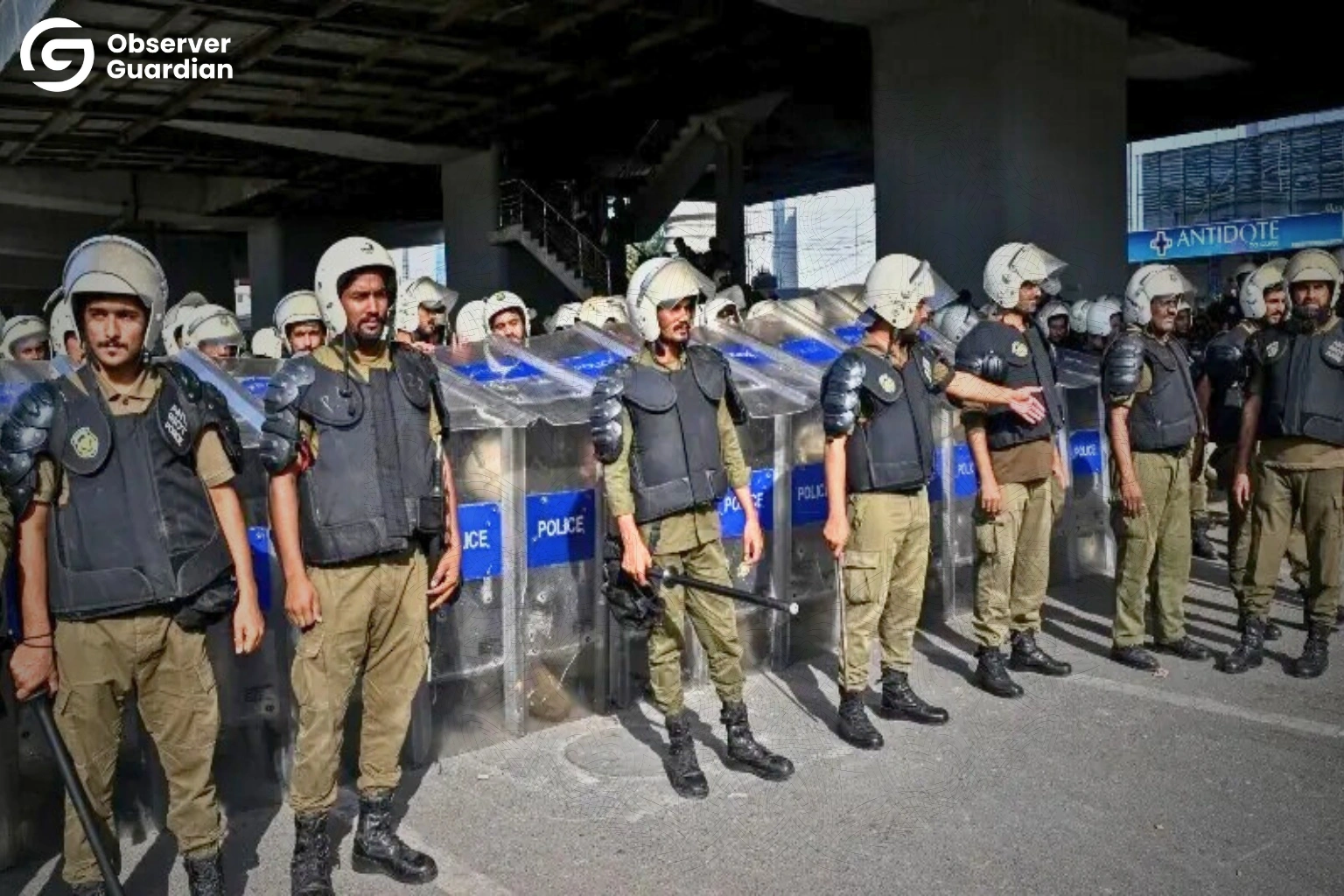
Any government must ensure that the citizens are safeguarded and there is law and order. In Pakistan, this duty is even more needed considering that the country faces sophisticated security issues. Any decision to allow TLP to use its violent methods would have been interpreted as an act of weakness. The ban conveyed a clear message that Pakistan values peace and stability over political appeasement.
In addition to this, a country established in laws cannot allow any faction to emerge above the law. The state reinforced this stance through decisive action that peaceful protest is a right, but violence is not. The ban became necessary to prevent further bloodshed and restore public confidence in the government’s ability and resolve to protect its citizens.
Moving Forward
The prohibition is not merely close to discussion on political dissent, rather it is a challenge to be responsible. The democratic ideals of Pakistan rely on freedom of argument and nonviolence. To establish such a system, however, citizens as well as political groups should consider the boundaries of law. The TLP is a call to all, reminding them that any stability is tenuous and thus it needs to be safeguarded by restraint, dialogue, and justice rather than fighting with one another.
Prohibiting TLP was therefore an action to secure the future of the country. Anarchy does not build a nation, and Pakistan chose order over chaos.
The decision affirmed that no cause, no matter how passionately expressed, can justify violence. Ultimately, it was a message in support of peace, security, and the rule of law.
⚠ Disclaimer
The views and opinions expressed in this article are exclusively those of the author and do not reflect the official stance, policies, or perspectives of the Platform.