
Disinformation is no longer a side effect of politics; it is a method of politics. In today’s digital space, coordinated influence campaigns can push societies toward panic, cynicism, and street-level violence faster than any old-style pamphlet or loudspeaker ever could. Social platforms were sold as tools for open debate, yet their incentives reward speed, anger, and certainty, not proof. Algorithms amplify what keeps people watching, and falsehood travels well because it offers simple villains and instant closure. In that setting, some actors stop aiming for reform and start aiming for paralysis: erode trust, provoke clashes, then call every consequence “oppression.”
The United Kingdom saw this clearly after the Southport stabbing in late July 2024, when three girls were killed, and online rumours flooded the gap before verified facts could circulate. False claims about the suspect’s identity and motives spread rapidly, including assertions tied to asylum and religion, and unrest followed, including attacks on a mosque and clashes with police. Reporting later identified the suspect as UK-born, and the misinformation itself became part of the story, not a footnote.
The lesson is blunt: when a lie is designed to inflame group fear, it can move people from screens to streets within hours
That point matters because the free speech debate often gets framed as if the only two options are total immunity or total censorship. That is not how the law works. Most legal systems protect criticism, satire, and harsh opinion, but they also draw lines around defamation, harassment, and incitement, especially when people are named and accused of serious crimes without evidence. The rule of law is supposed to be that line: clear rules, transparent process, and courts that decide, not mobs. When online movements treat accountability as persecution by default, they are not defending liberty; they are trying to make power answerable to noise rather than to procedure.
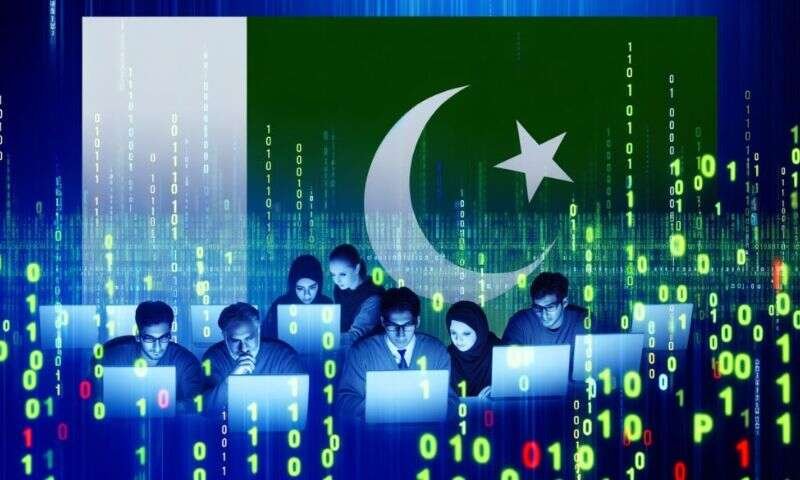
Pakistan’s experience since 2022 sits inside the same wider pattern, even if the politics are more polarized and the institutions more contested. A recurring cycle appears in digital campaigns: a claim lands first on X, then YouTube personalities escalate it with conspiracy framing, and then a swarm of accounts repeats it until repetition feels like confirmation. The content is often not a policy critique, but an allegation of hidden treason, secret killings, or planned betrayals.
The emotional payload matters more than the evidentiary record. Over time, people who live in that feed do not just distrust a government; they distrust the very idea of adjudication
This is where the rule of law becomes both essential and vulnerable. In a functioning legal order, courts and investigators are not above criticism, but they are not fair game for reckless accusation either. Pakistan’s anti-terrorism prosecutions around online incitement during the May 2023 unrest are now a central reference point, including trials conducted in absentia for several commentators and former officers. On January 2, 2026, reporting from multiple outlets described life sentences handed down by an Islamabad anti-terrorism court for individuals accused of inciting violence and spreading hatred against state institutions. Supporters framed this as suppression, while critics argued the state was enforcing boundaries against calls that helped fuel disorder.
Still, enforcement only strengthens legitimacy if it is paired with due process. Trials in absentia, broad legal definitions, and selective application can all backfire by feeding the same grievance machine the state wants to deflate. That is why the legal distinction must stay tight: punish provable incitement and provable defamation, not dissent, not satire, not peaceful organizing. The question is not whether people can denounce leaders or institutions; they can.
The question is whether they can present knowingly false criminal claims as fact, name individuals, and then hide behind “opinion” when predictable harm follows
The UK defamation case involving Adil Farooq Raja is useful here because it shows how even a speech protective jurisdiction treats false factual allegations against named people. A High Court judgment dated October 9, 2025, in Rashid Naseer v Adil Farooq Raja found libel, with reporting later noting damages and costs and an order linked to a public apology. Whatever one thinks of the wider politics, the legal principle is familiar: you can argue, you can criticize, you can campaign, but you cannot manufacture “facts” that you cannot defend and call it journalism.
Then there is the profit motive. YouTube’s model pays for attention, and attention is easiest to extract through fear and outrage. When monetization meets political grievance, instability becomes a business. That does not mean every creator is dishonest, but the system pushes creators toward speed over verification and certainty over nuance. In that environment, the state is not just facing opposition; it is facing a marketplace where allegations are content, retractions are boring, and accountability threatens revenue. Any serious policy response must face that incentive problem, not just blame “bad actors.”
Finally, international coverage must avoid becoming part of the same closed loop. Some reporting about Pakistan relies heavily on claims from partisan figures who also have legal exposure, and those claims get recycled back into social media as “proof” that outsiders agree. That does not automatically mean the underlying allegations are false; Pakistan has real human rights issues and real victims. But extraordinary claims still require verifiable names, documents, timelines, and independent corroboration. Otherwise, the information space becomes a hall of mirrors where the loudest story wins. The rule of law is not the enemy of speech; it is what separates speech from the weaponization of speech.