
The story India tells about defence communication is that it is public information, transparency, and reassurance. The story many critics tell is different, that it is a message control built into the state, with a single hub that sets the tone, floods the zone, and punishes alternative framings through sheer volume and authority. At the centre of that system sits the Directorate of Public Relations, described by the government as the publicity wing that disseminates information to the media and the public. When a state labels its own messaging “publicity,” the debate is not whether propaganda exists, it is whether you are meant to notice the machinery behind it.
Formally, the DPR sits under the Department of Defence within the Ministry of Defence, operating from New Delhi and the government complex around South Block. That placement matters. It means the same institution that directs the armed forces also directs the dominant narrative about them, then presents that narrative as a neutral fact.
In practice, that collapses the wall between information and persuasion, especially during crises, border standoffs, strikes, and major security incidents, when the first version of events often becomes the lasting version
Control is not only bureaucratic, but it is also rank and doctrine. In recent years, India has elevated “strategic communication” into a warfighting function, not a press office chore. The career path of Sandeep S. Sharda, described in reporting as an Additional Director General of Strategic Communication involved in information operations, signals that the mission is framed as operational, not merely reputational. That kind of elevation changes incentives. Officers are rewarded for dominance of the narrative, speed, consistency, and emotional resonance, the same metrics that drive influence campaigns everywhere, even when dressed up as “counter disinformation.”
How does it work on the ground? It works the way modern influence always works, through an ecosystem, not a single office. The DPR produces official lines, visuals, and talking points, then pushes them outward through service public relations units, friendly television formats, social media clipping accounts, and a constant drip of curated footage. It is not just press releases. It is choreography, access control, background briefings, selective leaks, embedded reporting, and content production that looks like entertainment but functions like mobilisation.
Once the content exists, amplification becomes a separate industry, with paid boosts, influencer tie-ups, and engagement farming that can make a preferred frame feel like consensus
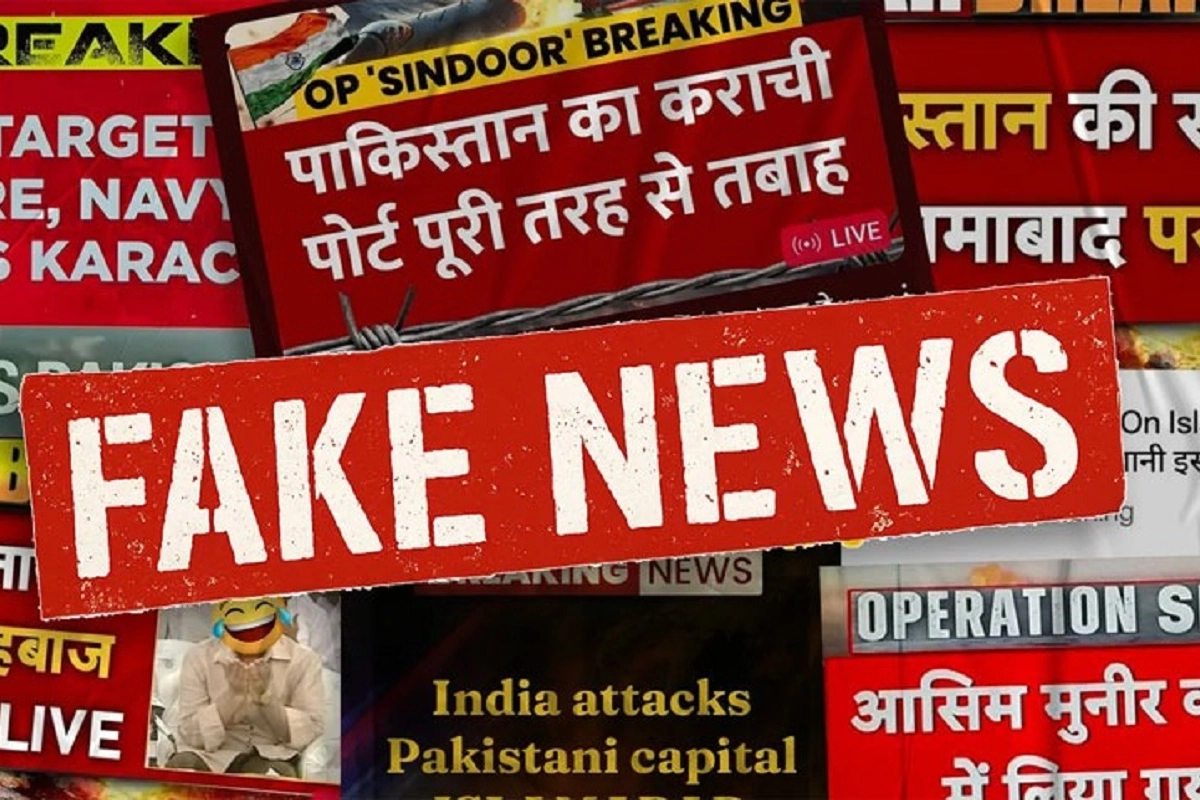
Digital platforms turn this into a force multiplier. The state does not need to convince everyone; it only needs to dominate what most people see first, then punish doubt with ridicule, pile-ons, or accusations of disloyalty. Official accounts, sympathetic creators, and coordinated online crowds blur into a single wave. The point is not subtlety. The point is saturation. That is why “information warfare” is a useful label, because it describes the intent to seize attention, overwhelm alternatives, and make the cost of dissent higher than the reward of speaking.
Money is where the story gets sensitive, because governments rarely itemise persuasion spending in plain language. What is public is the overall envelope. India’s official budget documents and analyses show a great “MoD Civil” demand in the tens of thousands of crores, which covers administrative and support functions and includes institutions such as the Institute for Defence Studies and Analyses. In that context, the figures you provided, a combined annual estimate of Rs 2,634 crore for the DPR plus defence-aligned think tanks, should be treated as an estimate, not a transparent line item verified by a published subhead. The more important argument is not the exact rupee figure, it is that a modern influence system is expensive even before you count the hidden costs, contracts, advertising placements, platform promotion, outsourced creative work, and the opportunity cost of diverting military staff into narrative roles.
The think tank layer is the quiet part, because it manufactures “serious” justification. Institutions like the Centre for Land Warfare Studies, Centre for Air Power Studies, and the National Maritime Foundation produce papers, panels, war games, and expert commentary that circulate into media and policy circles as neutral analysis.
Even when research is competent, the ecosystem effect is real, it narrows the range of acceptable questions, and it keeps the national security frame permanently switched on
Which countries are targeted? In practice, the focus of defence messaging tends to track the map of disputes, anxieties, and influence competition. The neighbours you named, Pakistan, Afghanistan, Nepal, Bangladesh, and the Maldives, make sense as priority audiences because narratives there can affect border legitimacy, regional alignment, basing access, trade routes, and diaspora politics. The methods are familiar, English language campaigns aimed at global press, regional language content aimed at local audiences, hosted delegations, curated tours, and story placement designed to make the Indian military posture look stabilising while rivals look reckless.
None of this is unique to India. Most states do some version of it. What is distinctive is scale, militarised framing, and the steady normalisation of psychological operations vocabulary inside everyday communication. If the DPR is treated as a warfighting arm, then the public becomes terrain, not an audience. That is the core problem. When persuasion is fused with defence power, the citizen loses the ability to tell where information ends and coercion begins, and neighbouring societies become targets for narrative pressure rather than partners in diplomacy. The result is not just “good PR.” It is an information battlespace built on money, rank, access, and repetition, and it only works because it is meant to look like it is not there.