The question, “Is Sohail Afridi compromised?” has caught fire because it sits at the worst intersection of Pakistani politics, prison era messaging, and a party that is clearly struggling to keep one story straight. Aleema Khan’s public criticism of the PTI leadership, especially on decisions linked to Imran Khan’s health and treatment, has made one thing obvious: trust inside the camp is thin, and every private contact now looks like a possible back channel. Dawn reported Aleema’s position bluntly; she insisted no decision about Imran’s treatment should be made without the family’s permission, and she pointed to a communication gap where even basic details were unclear.
That’s the backdrop for the conference call controversy. The call itself matters less than what it symbolizes. If a senior PTI figure is on a call with Interior Minister Mohsin Naqvi, people immediately ask what was discussed, who authorized it, and whether it was coordination for care, crisis management, or something else entirely. In a low-trust environment, even routine contact becomes suspicious. And when party channels are messy, personalities become the story.
This is why Aleema Khan’s mention of Barrister Gauhar’s call, and her insist on naming who else was present, landed like a match near petrol
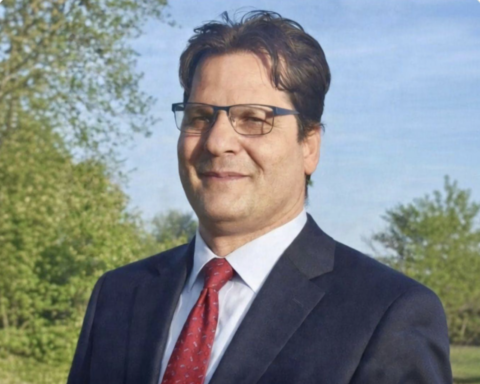
Barrister Gauhar’s response pushed the story into a sharper frame: he confirmed that Sohail Afridi was the person with him on the conference call. That “yes” did two things at once. It closed the “mystery guest” loop, and it opened a bigger argument about mandate and oversight. Dunya News reported Gauhar saying the family was kept informed and that Sohail Afridi joined the conference call discussions, framing it as an issue of coordination rather than secrecy. The Express Tribune coverage of Aleema’s remarks also shows how she positioned the problem, not just that information came from Mohsin Naqvi, but that it should have come from Barrister Gauhar, meaning the leadership looked absent, or worse, selective in what it shared.
So, does Sohail Afridi’s presence on that call prove he is compromised? No, it does not. Being on a call is not the same as cutting a deal. If the topic was medical access, treatment logistics, or verification of what the state was claiming publicly, having a senior party representative present could be reasonable. In fact, in a situation where the state controls access, parties often have to engage officials they distrust, simply to get basic information. That is not a compromise by itself.
What turns it into a compromise story is the lack of a clear process and the absence of transparent internal accountability
But dismissing the suspicion as paranoia also misses the point. In Pakistani politics, compromise is rarely proven with a neat document. It shows up as patterns: who gets access, who speaks confidently when others go quiet, who can move between power centers without paying the usual price, who suddenly becomes the “acceptable” face. If party members feel that some figures have privileged channels to the establishment or to the state, the party starts eating itself. Aleema’s public posture suggests she believes the family is being used as a pressure point, and that messages and decisions are being routed through paths the family did not sign off on.
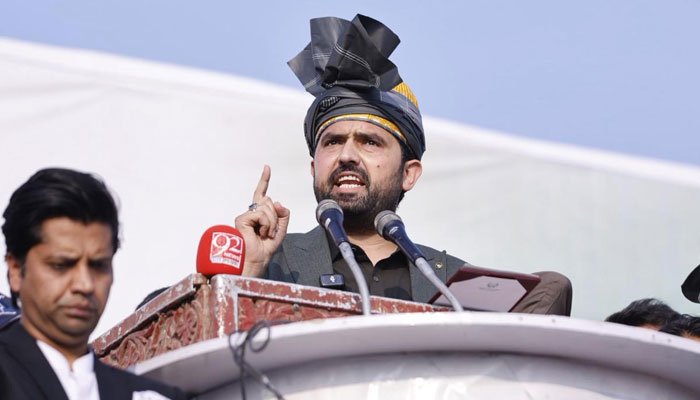
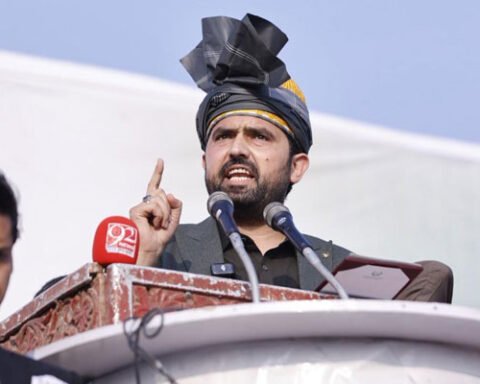
Sohail Afridi is not a random name, either. He is a significant PTI figure in Khyber Pakhtunkhwa politics, and that alone raises the stakes when he is involved in sensitive communication. If he is on such calls, people will assume he is there for a reason, either because he is trusted by the party leadership or because he has leverage and relationships others do not. And in PTI’s current condition, “relationships others do not” is exactly what sets off alarm bells.
My read is that the real issue is not whether Afridi is compromised, but whether PTI has any functioning governance inside the party. If there were a proper chain of command, nobody would need to ask on camera who was on a call. The party would issue a short, consistent explanation: why the call happened, who was authorized to join, what was discussed, what was agreed, what was not agreed, and how the family was briefed.
Instead, we got a public dispute, a name demand, and then a forced clarification. That is not just ugly optics; it is operational failure
If Afridi wants to shut down the compromised narrative, he does not need theatrics. He needs clarity. What was his role on the call? Was he a witness, a note taker, a decision maker, or a messenger? Was the family briefed before or after? Was any commitment made? If the answer is “no commitments,” say it plainly, and invite accountability inside the party, not through leaks and talk shows. Because as long as the party cannot explain its own contacts with the state in a disciplined way, people will keep filling the gaps with the darkest possible story.
So, is Sohail Afridi compromised? There is no public evidence in the reporting that proves that claim. But the way this episode unfolded, and the fact that it had to be settled through a public yes, makes it easy for rivals, and even insiders, to treat him as a suspect. In today’s PTI, perception is not a side issue; it is the battlefield.