
The de-escalation process in the US-Israel war against Iran has reached a critical juncture. A narrow diplomatic opening has emerged after a Pakistan-brokered two-week ceasefire, and for the first time in weeks, there is at least a pathway, however uncertain, toward structured talks. But nobody should mistake a pause in open warfare for real peace. The atmosphere remains highly charged, grievances are raw, mistrust is profound, and the central disputes that fueled the conflict have not disappeared. The ceasefire is not a settlement. It is merely a breathing space in which diplomacy must either move forward quickly or be buried under the weight of renewed escalation.
Why De-escalation Is So Difficult
Disengagement is always harder than mobilization, and that is especially true in a conflict shaped by humiliation, revenge, and maximalist public rhetoric. Washington wants Iran to surrender core strategic capabilities, including enrichment and missile capacity, while Tehran insists on sovereignty, sanctions relief, and security guarantees. The Strait of Hormuz remains a flashpoint, not only because of its immense economic significance, but because it has become a symbol of leverage and pride for all sides. In such an environment, even a small provocation can undo days of diplomacy. A single strike, a maritime incident, or a reckless statement can push the parties back from negotiation to confrontation in a matter of hours.
The Spoiler Problem
This is why the question of spoilers must be taken seriously. There are always actors who fear peace more than war because war serves their narrow and vested interests. Some thrive politically on permanent emergency. Others want diplomacy to fail because compromise would weaken their ideological narratives. And some believe that any reduction in tension between the United States and Iran would reduce their own strategic importance. At such a delicate moment, sabotage does not have to be spectacular. It can take the form of inflammatory messaging, calculated military pressure, deliberate ambiguity, or efforts to widen the theatre of conflict so that negotiators lose control of events. Peace processes rarely collapse by accident; they are often pushed off the rails by those who need enemies more than they need stability.
Watch Out for Israel
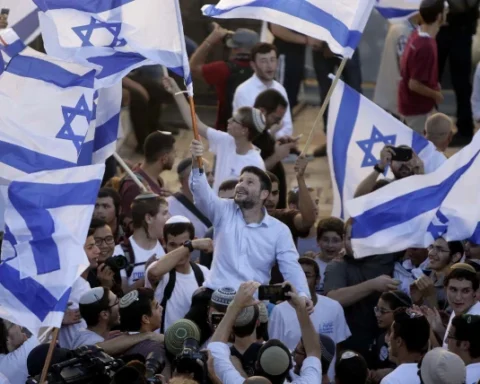
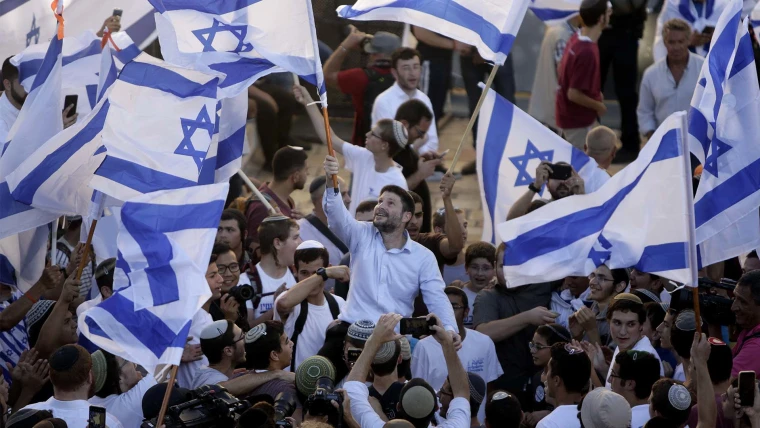
In my view, Israel is the most dangerous spoiler in this entire affair. The reason is not rhetorical; it is political. Recent reporting indicates that Israel initially opposed the truce, preferred continued military pressure, and is still carrying out major attacks in Lebanon even as the ceasefire struggles to hold. That matters because every expansion of the conflict makes US-Iran dialogue harder, not easier. If the diplomatic track is to survive, Washington and Tehran must recognize that there are forces that benefit from keeping the region in flames. Israel’s current leadership has strong incentives to resist any arrangement that eases pressure on Iran without delivering total strategic capitulation. That is why both the United States and Iran should remain alert to attempts to scuttle negotiations through fresh escalation.
What Washington Must Understand
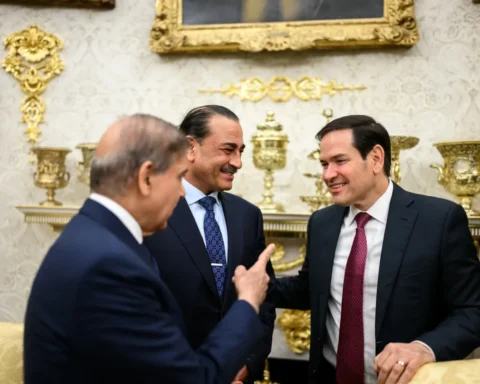
The United States, in particular, has to decide whether it genuinely wants a negotiated outcome or merely a tactical pause before demanding Iranian surrender. Those are not the same thing. If Washington enters talks with a rigid all-or-nothing approach, it will strengthen the hand of spoilers who insist that diplomacy is pointless. American policymakers should understand a basic truth of statecraft: a wounded adversary may accept limits, sequencing, verification, and reciprocal restraint, but it will not accept humiliation dressed up as peace. Demands that leave Iran no room to preserve sovereignty are not realistic foundations for a durable settlement. A successful negotiation must leave each side able to claim that it defended essential interests, even while making painful concessions.
What Tehran Must Also Accept
Iran, however, cannot approach this moment as though endurance alone equals victory. It too must show flexibility. Its economy has been badly damaged, its population is under immense strain, and prolonged confrontation will only deepen regional instability and domestic hardship. Tehran may believe, with some justification, that it resisted enormous military pressure without collapsing. But that does not remove the need for pragmatic compromise. If Iranian leaders insist on maximal positions on every contentious issue, they will make it easier for hardliners elsewhere to argue that negotiations are futile. Statesmanship begins when governments realize that preserving national dignity does not require rejecting every concession. It requires knowing which demands are essential and which are symbolic.
Peace Requires Compromise, Not Absolutism
That is the central lesson of this crisis. Peace will not come from rigid positions. It will not come from public grandstanding, coercive fantasies, or the illusion that military pressure alone can settle deep strategic disputes. It will come, if it comes at all, through compromise: phased de-escalation, reciprocal assurances, verification mechanisms, and restraint by all parties. The ceasefire is fragile precisely because the gap between what Washington wants and what Tehran will accept remains wide. But a wide gap is not the same as an unbridgeable one. Diplomacy exists to narrow impossible distances. The only truly impossible path is the one in which every side insists on total victory and calls that realism.
The Responsibility of Peace-Loving People
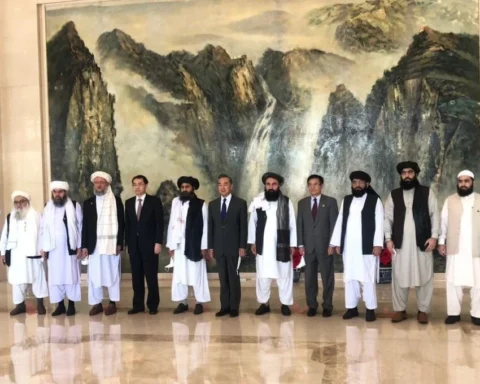
Meanwhile, peace-loving people across the region and beyond must keep watch and call out those who undermine diplomacy. Public opinion matters. Regional states matter. Mediators matter. Civil society matters. The ceasefire did not appear out of nowhere; it emerged because diplomatic channels were kept alive even at the brink. Those channels must now be protected from saboteurs. If Israel widens the conflict, it should be named and challenged. If Washington or Tehran slips back into maximalist rhetoric, that too should be resisted. This is a moment for vigilance, not complacency. The forces of war are organized, loud, and relentless. The forces of peace must be clearer, braver, and more persistent. Only then can this dangerous pause become the beginning of a real peace.