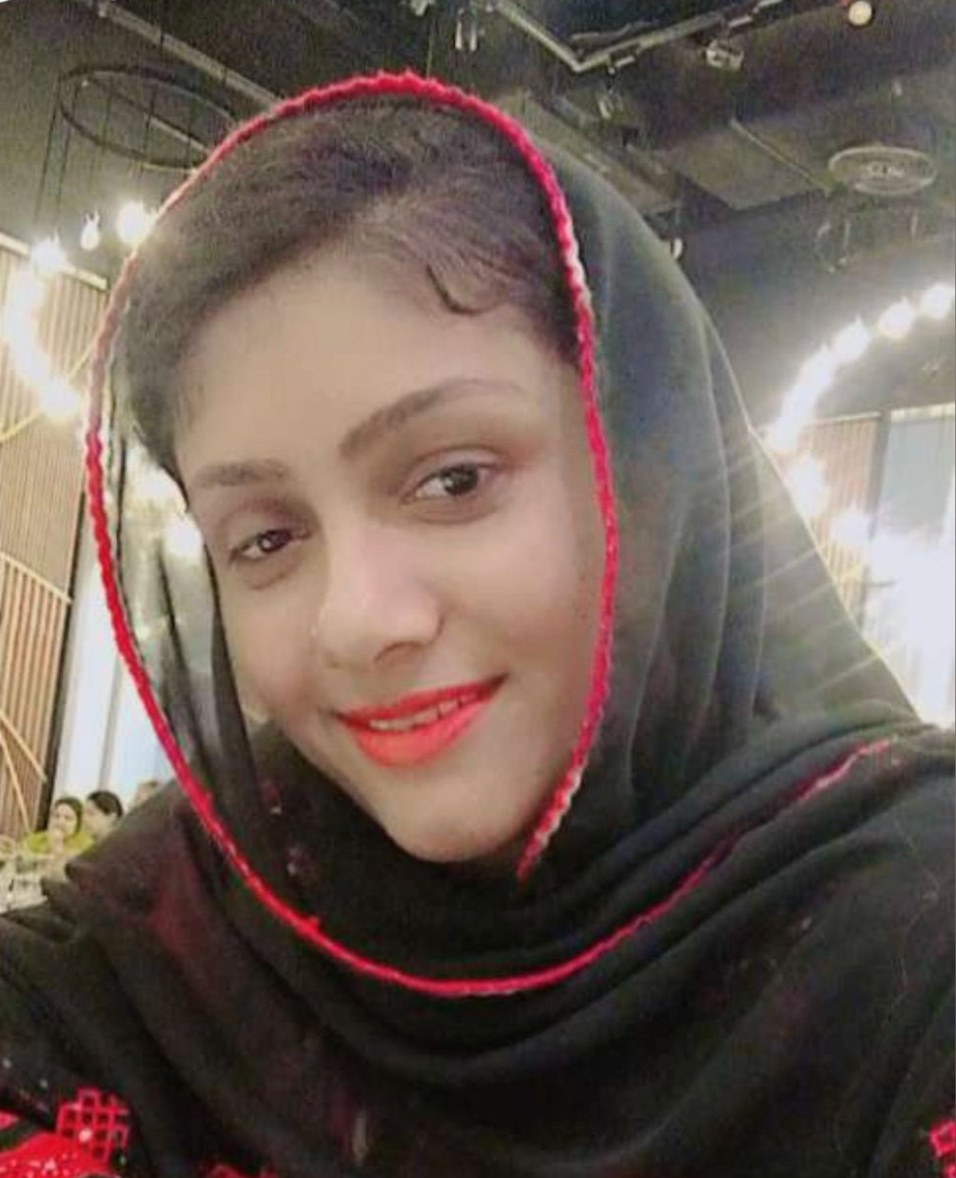

A woman being abducted at gunpoint in Balicha is not just another “law and order” headline. It is a warning about what militant politics looks like when it reaches the doorstep of ordinary families. In District Kech, between 4:30 pm and 4:45 pm on January 28, 2026, armed men allegedly linked to the Balochistan Liberation Army stopped a Corolla outside a house, forced a woman, identified as Nargis, into the vehicle, and drove off. This detail matters, not because the model of the car is important, but because it shows how routine and calculated the act was. It happened in broad daylight, in a residential setting, with enough confidence that the abductors expected to get away with it.
The most disturbing part is not only the seizure of a person, but it is also the message sent to everyone watching. Abduction is violence plus theater. It is designed to make families feel powerless, and communities feel exposed. When armed men can take someone from a home area and then reinforce themselves with motorcycles, it signals coordination and local reach.
This is not a spontaneous clash; it reads like an operation. That structure is exactly why abductions cut deeper than many other attacks. They do not end with the incident; they extend into days of fear, uncertainty, and silence
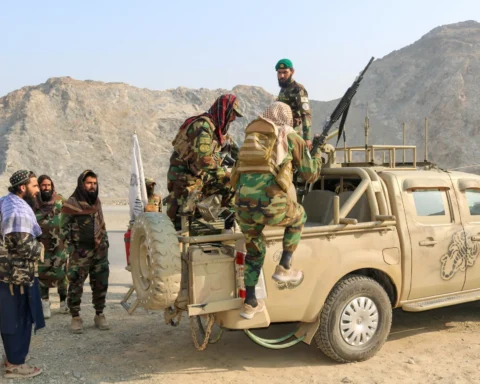
The confrontation near Nasirabad adds another layer that should end any romantic framing of militancy. The woman’s husband and nephew chased the vehicle and intercepted it. They did what many families would do when the state is not instantly present. They tried to protect their own. The response, according to the account, was immediate escalation: a militant emerged with a Kalashnikov, and more armed men arrived to back him up. That is the point where ideology drops its mask. Whatever slogans are used later, in that moment, the truth is simple: armed men used the threat of death to keep a family from retrieving a woman taken against her will.
The assault on the family members and the confiscation of their phones is also not a side detail. Taking phones is not just theft; it is control. It prevents calls for help, blocks evidence, and isolates victims and witnesses. It also spreads a particular kind of fear, the fear that even reporting will bring retaliation. This is how militant intimidation works in practice. It is not only the gun, but it is also the shutdown of communication, the humiliation of being overpowered, and the warning that you can be watched and punished.
When women become targets in militant tactics, the harm multiplies. In a conservative social environment, abducting a woman is not only a physical danger, but it also becomes a weapon against family honor, social standing, and mental health. Militants know this. Using women as leverage, as coercion, or as symbols is a cruel shortcut to power.
It forces families into desperate choices and makes communities quieter, because people fear stigma as much as they fear bullets. Even when a woman returns safely, the trauma does not vanish; it can linger as anxiety, mistrust, and fractured relationships
There is also a wider problem that such incidents expose: selective outrage. In Balochistan, people are used to competing narratives, each claiming to speak for justice while ignoring suffering that does not fit the script. When militant violence is treated as a footnote, or excused as “reaction,” civilians become expendable. That is why the mention of BLA-linked proxies and groups that shape public perception matters, including the Baloch Yakjehti Committee, often discussed in debates around “missing persons.” If any movement claims a moral cause, it has to apply the same moral standard to everyone. Silence on abductions and coercion by militants, especially when women are involved, destroys credibility. You cannot defend human rights by ignoring humans who do not serve your narrative.
At the same time, condemning militant abductions should not become an excuse to ignore other abuses. Balochistan has real grievances, including insecurity, poverty, and the long shadow of enforced disappearances and heavy-handed governance. But acknowledging those realities does not require moral confusion. Two things can be true at once: the state must be held to lawful standards, and militant groups that abduct civilians must be treated as criminals, not as political actors who deserve indulgence.
The moment any cause justifies taking a woman at gunpoint, that cause has already crossed the line into predation
The announced rescue operation by police and security agencies is necessary, but it should not be treated as the end. Recovery, if it happens, is only the first step. Communities need visible protection that does not arrive after the fact. That means better local intelligence, safer transport routes, rapid response capacity, and accountability for any failure to protect civilians. It also means protecting witnesses and families who report. If people believe reporting will only bring more danger, militants win without firing another shot.
Most of all, this incident should force a clear public stance: no abduction is political, no intimidation is “resistance,” and no violence against families can be dressed up as ideology. If militants want legitimacy, they should start by stopping crimes that prey on ordinary people. Until then, the clearest description of what happened in Balicha is the simplest one: armed men terrorised a family, targeted a woman, and tried to silence witnesses. Any society that tolerates that, even quietly, is teaching its children that power belongs to whoever carries the gun.