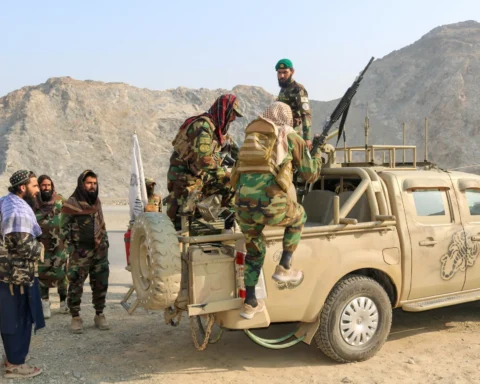

A state’s first promise is simple: it must protect life. In Pakistan, that promise is not a slogan; it is a constitutional duty. Yet the narrative pushed around security operations in Tirah is often framed as if any use of force by the state is, by definition, a human rights abuse. That framing skips a core point. A government is not only required to avoid unlawful harm, but it is also required to stop armed groups that threaten civilians. If militants operate from a border region, plan attacks, and kill people, the state cannot treat the situation as a public relations problem. It has to treat it as a public safety emergency governed by law.
Pakistan’s Constitution places the right to life at the center. Article 9 guarantees life and liberty, and it implies a positive obligation to protect citizens from violence, not just a negative duty to avoid abuse. Article 245 empowers the armed forces to act in aid of civil power when internal disorder and armed threats exceed routine policing capacity. In areas like Tirah, where terrain and proximity to the border have repeatedly been used by TTP elements and allied networks, the question is not whether the state may act. The question is whether it acts within legal limits, using force that is necessary, proportionate, and aimed at the threat.
Inaction is not neutrality. Inaction is a choice that leaves ordinary people exposed to bombs, ambushes, extortion, and targeted killings
This is where the human rights debate often becomes selective. International human rights law, including the ICCPR, does not ban security operations in civilian areas. It regulates how force is used. The standards are well known: there must be a credible threat, action must be necessary, and the response must be proportionate. The presence of civilians increases the duty of care. It does not create a shield that grants armed groups legal immunity. Militants do not become lawful actors because they hide in villages or move through populated valleys. If anything, their choice to embed among civilians deepens the state’s responsibility to plan carefully, verify targets, and reduce harm, while also deepening the moral blame on those who turn communities into cover.
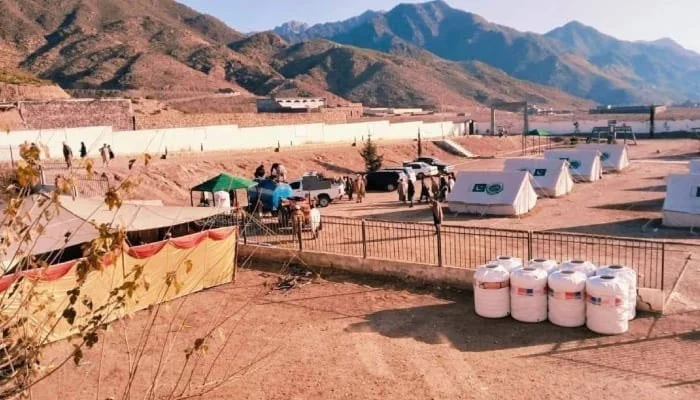
Displacement is another part of the story that is often used to imply intent: that operations are designed to uproot Pashtuns as a people. That claim collapses under both fact and law. Displacement in conflict zones usually follows the same chain of cause: militant entrenchment, cross-border movement, armed resistance to law enforcement, and the fear that comes with gunfights and explosives. Under the UN Guiding Principles on Internal Displacement, Pakistan has duties to protect displaced civilians, make relocation temporary where possible, enable safe return, and support recovery. These are real obligations, and they should be measured honestly. If the state fails to provide shelter, compensation, or timely return, that failure deserves scrutiny and remedy.
But it is still false to treat displacement itself as proof of ethnic persecution when the driver is the presence of armed actors and the risk they create
Pakistan also carries binding international counterterrorism duties that public debate often ignores. UN Security Council Resolution 1373 requires states to deny safe havens to terrorists, restrict their movement, and dismantle operational bases. Those are not optional political preferences. They are legal commitments accepted by UN member states. When an armed group uses a region like Tirah to regroup and stage attacks, a premature halt to operations is not just a domestic choice; it can place the state in breach of international obligations. Critics may dislike that reality, but dislike does not erase law. The international system has been clear since 2001 that states are expected to prevent their territory from becoming a platform for terrorism.
The ethnic framing of these operations is therefore a legal misrepresentation, not a rights argument. Pakistan’s Constitution does not treat ethnicity as a security category. Operations are launched based on geography, threat assessments, and intelligence, not on identity. Pashtuns are not outside the state; they are inside it, fully covered by the same constitutional protections and the same expectation of state protection. They also serve across Pakistan’s armed forces, judiciary, civil administration, and political leadership.
To claim that lawful counterterrorism steps in a specific terrain are “anti-Pashtun” is to confuse where an operation happens with who it targets. The law targets acts and threats. It does not target a language, a tribe, or an ethnic label
Peace is the stated goal, but peace cannot precede security when armed groups retain infrastructure and freedom of movement. International jurisprudence, including positions associated with the ICJ’s treatment of self-defense and state responsibility, recognizes that a state may use force against violent nonstate actors when threats persist, provided the response follows necessity and proportionality. Dialogue can play a role, but it cannot substitute for dismantling militant capacity. Calls for “peaceful alternatives” that ignore armed networks, weapons caches, and cross-border routes are not serious peace plans. They are, at best, wishful thinking, and at worst, an invitation for militants to consolidate.
Finally, there is the question of sovereignty and foreign amplified advocacy. The UN Charter’s Article 2(7) and UN General Assembly Resolution 2625 reflect a basic principle: internal security and law enforcement fall within a state’s domestic jurisdiction, subject to its legal obligations. When campaigns staged abroad under foreign symbols demand an end to lawful security operations, they risk becoming political interference and information warfare, not neutral rights advocacy. Human rights work retains credibility when it stays grounded in facts, applies standards consistently, and holds both state and militants accountable.
It loses credibility when it treats the state as the only actor with agency and the armed groups as a footnote
None of this is an argument for unchecked force. The state must keep operations within the law, investigate credible allegations of abuse, compensate victims, and ensure transparent mechanisms for relief and return. But the central point stands: lawful security is not oppression. The real human rights disaster is a security vacuum where militants rule by fear. Pashtuns, like all Pakistanis, pay the highest price when the state fails to protect life. If Tirah is to have lasting peace, armed actors must be neutralized, civilians must be safeguarded, and governance must return in full. Sovereignty exercised through law is not militarization. It is the state doing the first job it exists to do: keeping people alive.