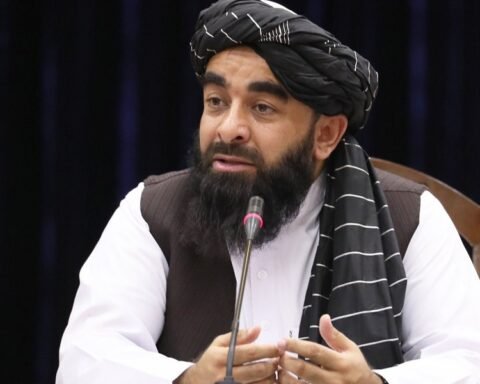
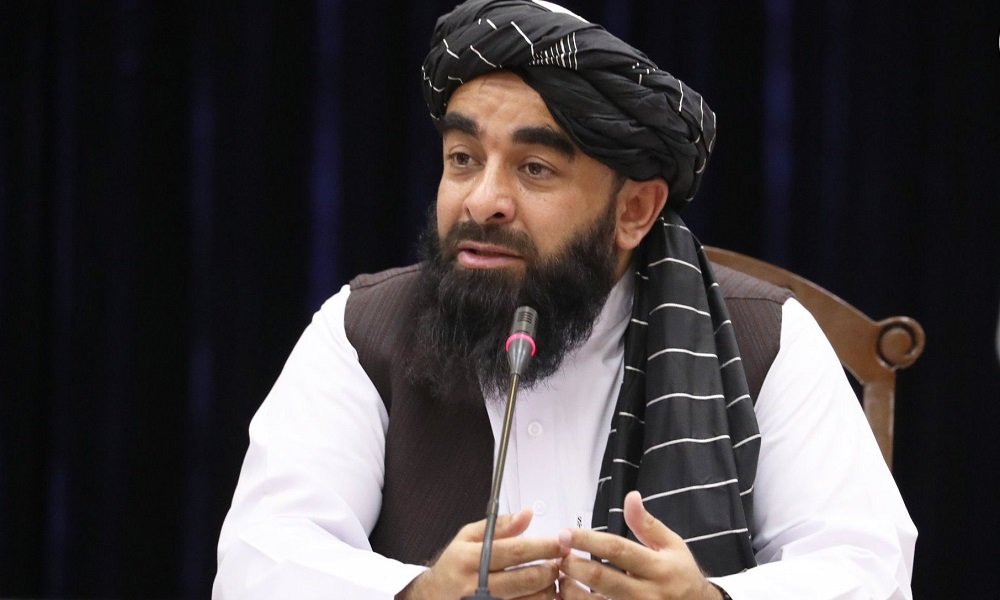

Zabihullah Mujahid’s interview line is not just denial, it is a dare. He looked into a regional media camera, waved away years of documented assessments, and asked everyone to accept his word over the record. He dismissed the presence of international terrorist groups in Afghanistan, rejected that attacks across the border originate from Afghan soil, and then framed recent Pakistani strikes as plain aggression. That posture might play well for domestic messaging, but it collapses the moment it meets the paper trail.
International monitoring bodies are not guessing. They have described, again and again, an Afghanistan that has become a permissive space for multiple violent networks after the Taliban takeover. When the same warning keeps appearing in United Nations monitoring outputs and in regional security briefings, it stops being a “claim” and becomes a pattern backed by observation.
Mujahid’s response is audacious because it is not aimed at resolving the concern; it is aimed at discrediting the very idea that evidence exists
Look at the scale implied by regional security assessments. A Russian security assessment has been cited as placing the number of terrorists in Afghanistan in the range of 20,000 to 23,000, linked to multiple groups, with nearly half described as foreign nationals. Even if one argues over exact counting methods, the direction is unmistakable. You do not get numbers that high in a place that has “no presence” of such actors. You get them where movement, financing, recruitment, and shelter are possible.
The same assessment highlighted the operational footprint of Islamic State Khorasan Province at roughly 3,000 fighters, and the Tehreek e Taliban Pakistan presence ranging from 5,000 to 7,000, with a focus on attacks into Pakistan. That last point matters most for Islamabad’s threat perception.
It is not an abstract debate about ideology; it is a live security problem involving raids, ambushes, bombings, and attempted infiltrations that Pakistani authorities say they can trace back to sanctuaries across the border
United Nations monitoring has also described a crowded militant ecosystem. Reports have confirmed that more than 20 terrorist organizations operate from Afghan territory, including TTP, ISIL K, Al Qaeda, and ETIM TIP. The picture that emerges is not a single rogue pocket that the Taliban cannot find. It is a landscape where multiple outfits coexist, deconflict, and benefit from the kind of permissive environment that only a controlling authority can enable, through tolerance, selective blindness, or active patronage.
The most telling part of the documentation is not just who is present, but how freely they operate. Monitoring outputs have described greater operational liberty for TTP after the Taliban takeover, alongside an increase in attacks against Pakistan traced to Afghan soil. That is the core contradiction in Mujahid’s message.
If cross-border attacks are being documented, claimed, and operationally traced, then denying origins is not a serious rebuttal. It is strategic deflection, designed to shift the conversation from accountability to grievance
Al Qaeda’s continued relevance also undercuts the Taliban’s blanket denials. Reports have described Al Qaeda as enjoying Taliban patronage, functioning as a training and advisory hub for affiliated groups. That does not require spectacular parades or public headquarters. In modern militant ecosystems, sanctuary is often quiet. It looks like safe houses, travel facilitation, training support, and a promise that leadership figures will not be hunted. If that promise holds, the sanctuary exists, even if a spokesperson refuses to name it.
Then there is ETIM TIP, reported to have received documentation and freedom of movement, with elements integrated into local security structures. That detail, if accurate, is devastating for the Taliban’s “no groups here” line because it suggests not just tolerance but incorporation.
A state cannot plausibly claim neutrality while issuing papers, granting mobility, and absorbing militants into coercive arms that control territory
Pakistan’s side of the story is also not empty rhetoric. Pakistani authorities have arrested and neutralized ISKP operatives attempting infiltration from Afghanistan, not the other way around. Islamabad has repeatedly raised sanctuary concerns through diplomatic channels, intelligence sharing, and mediated tracks under Qatar and Türkiye facilitation. The key critique is that no verifiable dismantling followed. If the Taliban wanted the allegation to die, they had a simple option: transparent action that leaves a trail of arrests, expulsions, seizures, and sustained constraints. Denial is cheaper, but it convinces no one who has read the assessments.
That brings us to the strikes Mujahid calls aggression. Pakistan argues they were intelligence-based, precision engagements aimed at identified terrorist camps and leadership nodes, not civilian infrastructure. In that framing, the strikes are presented as self-defense after warnings, coordination proposals, and mediation efforts failed to produce results.
You can debate escalation risks, sovereignty, and precedent, but you cannot pretend the trigger appeared from nowhere. A state absorbing repeated attacks will eventually act if it believes the other side is unwilling to disrupt the perpetrators
The civilian casualty narrative also cannot be treated as an automatic veto on scrutiny. One reason civilian harm becomes plausible is the deliberate embedding of armed actors among civilian populations. When hideouts are struck, militants can be rebranded as civilians in public messaging, especially in areas where independent access is limited. That does not absolve any actor of legal and moral duties, but it does expose how information warfare works when sanctuary is politically inconvenient to admit.
Mujahid’s denial does not create an alternative reality. It deepens a credibility crisis. When United Nations mechanisms, Russian assessments, and regional intelligence lines converge on the same broad finding, Afghanistan is serving as a permissive space for a web of militant groups. A spokesperson’s rejection reads like insulation for policy, not truth. If the Taliban want international legitimacy, the route is not performative outrage. It is a verifiable action against the terror ecosystem they insist does not exist.