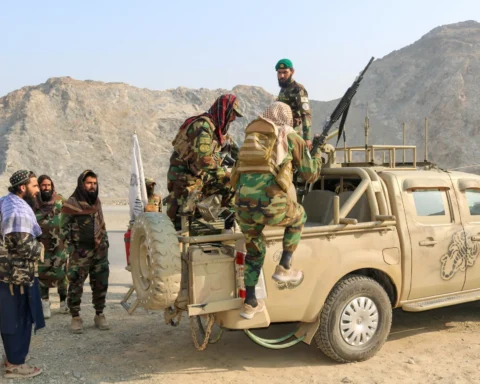
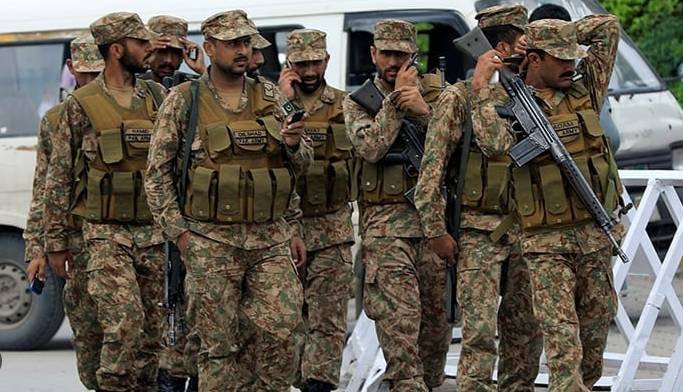

What happened in Boya, North Waziristan, on 19 December 2025 was not just another headline about violence in a border district. It was a test of readiness, discipline, and nerve, carried out in seconds under pressure, with civilians nearby and a determined enemy trying to force a breach. The fact that the attack was foiled, and all four attackers were stopped matters for one simple reason: it shows that trained soldiers who hold their ground can deny terrorists the one thing they chase most, momentum.
By the account released by security officials, the attackers, described as Khwarij linked to Fitna al Khwarij, tried to break into a security forces camp in the general area of Boya. This kind of assault is meant to create shock, to trigger panic, and to turn a small strike into a wider collapse. It is also designed for propaganda. A breach, even for a short time, can be sold as a victory to recruit more fighters, raise money, and frighten local communities into silence. In this case, the perimeter held, the response was fast, and the attackers were denied that psychological win.
That is the core of counterterror success: you do not just survive the hit, you prevent the enemy from shaping the story
The attackers then escalated to a vehicle packed with explosives, ramming it into the outer wall. That choice reveals both intent and desperation. It is intended because a vehicle bomb is not a precision tool; it is built for maximum force and maximum fear. It is desperation because it is often used when gunfire, stealth, and surprise have already failed. The collapse of the wall and the damage to nearby civilian infrastructure, including a mosque, underline the ugliness of this tactic. Fifteen civilians were injured, including women and children. Those injured Pakistanis are not “collateral” in any moral sense. They are the people that security operations are supposed to protect, and their suffering should stay at the center of the national response. Any serious state response must pair firmness with care: fast medical support, transparent verification of losses, and proper compensation.
Still, it is hard to ignore the operational reality that prevented a far worse outcome. The troops on the ground neutralized all four attackers during an intense exchange of fire. That did not happen by luck. It happened because perimeter defense is a craft; it depends on alert guards, layered positions, clear command, and the ability to make decisions without delay.
When militants fail to cross a secured line, it tells every would-be attacker that the old fantasy of storming a camp and escaping with a “trophy” is no longer easy to sell. It also tells local residents that the state is present, not absent
The cost, however, was high. Four soldiers embraced Shahadat: Havildar Muhammad Waqas, Naik Khanwaiz, Sepoy Sufyan Haider, and Sepoy Riffat. In an opinion piece like this, it is easy to repeat slogans about sacrifice and move on. That would be a mistake. These were individuals with families, routines, and futures, who stood in the line of fire because the country asked them to. Honoring them is not just about words; it is about how the state treats their families, how quickly it delivers promised support, and how seriously it takes the lessons of each attack so the next unit faces fewer risks. A nation that praises martyrs must also do the hard work that reduces the number of new graves.
This incident also raises a larger policy question that Pakistan cannot keep avoiding: where do these networks plan, train, and organize, and who tolerates them? The statement that the attack was planned and directed by Afghanistan-based Khwarij clashes with repeated claims by the Afghan Taliban authorities that such groups are not operating from their territory. There is a clear gap here, and Pakistan should address it with a mix of evidence, diplomacy, and pressure, not just rhetoric. If there is actionable intelligence, it should be documented, shared through proper channels, and pursued in a way that limits escalation while still protecting Pakistan’s people.
Empty shouting matches help militants because they thrive when states lose focus and start performing for cameras
There is also the question of proxy warfare. Many Pakistanis believe hostile intelligence services try to stir violence in border regions to keep Pakistan tied down internally. Pakistan’s official line often points to Indian involvement in such plots. As citizens, we should demand that these claims be backed with proof presented to credible forums. At the same time, we should not pretend that foreign hands are the only factor. Militancy also feeds on local cracks: weak governance, fear in communities, and gaps in policing and justice. If we only blame outsiders and ignore the home front, the cycle continues.
The clearest moral point from Boya is the militants’ disregard for civilian life and sacred places. A mosque damaged, women and children injured, and a vehicle bomb used near homes is not faith, it is fasad. Groups that present themselves as religious actors reveal their true character when they choose methods that harm ordinary Muslims first. Pakistan should keep naming this reality plainly, because language matters in ideological fights. But naming is not enough.
The state must keep improving intelligence coordination, border management, and rapid response, while also investing in the day-to-day security of local populations so militants cannot hide among them
The foiling of the Boya attack is a success because it blocked a breach, stopped the attackers, and prevented a wider catastrophe. It is also a warning that the threat remains adaptive and ruthless. Pakistan’s security forces showed they can meet that threat with professionalism and courage. Now the country must match that frontline strength with equal seriousness off the battlefield: care for the wounded, justice for facilitators, truth based diplomacy on cross border sanctuaries, and sustained attention to the people of North Waziristan who live closest to the fire.