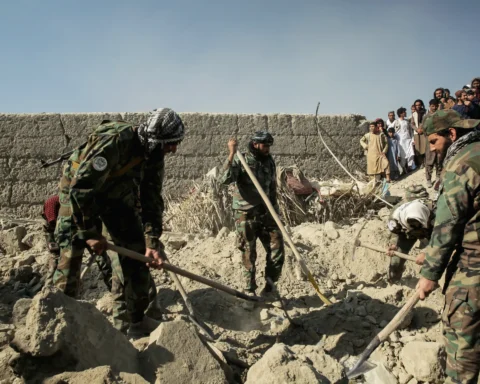
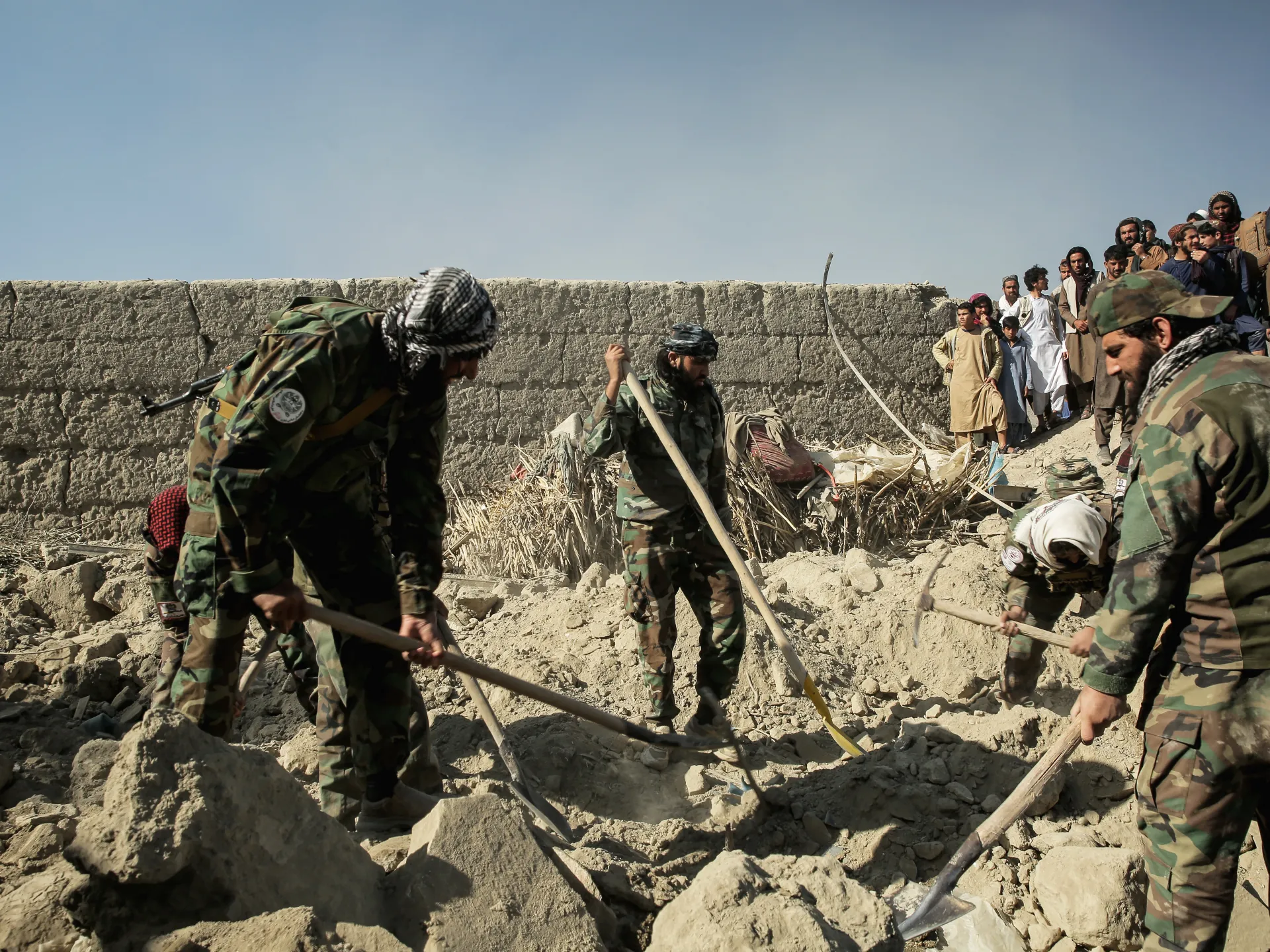

On 27 February 2026, Operation Ghazab Lil Haq was introduced as a decisive, high-impact reaction to what security officials characterize as a burgeoning danger network emanating from Afghan territory. The preliminary reports are alarming: 133 Taliban Kharjis reported deceased, over 200 injured, with further deaths anticipated following assaults on military installations in Kabul, Paktia, and Kandahar. Officials assert that 27 posts were obliterated and 9 captured, in addition to the annihilation of two corps headquarters, three brigade headquarters, two ammunition depots, one logistics base, three battalion headquarters, two sector headquarters, and over 80 tanks, artillery pieces, and armored personnel carriers.
Those data indicate a campaign focused more on undermining command, control, and sustainment than on symbols. Targeting headquarters, depots, and logistics nodes is not aimed at dominating media coverage. It pertains to altering the movement, combat, and resupply operations of a force. Seizing posts introduces an additional dimension: it implies ground engagement, rather than solely aerial assaults.
The message conveys that safe areas and depth will no longer be regarded as sacrosanct
The region faces significant challenges because of armed factions, cross-border facilitation, and the recurrent utilization of Afghan territory as a staging ground, training site, and political leverage. Numerous neighboring states, not merely one, have sacrificed lives for that paradigm. When officials assert that “Afghanistan endorses various terrorist organizations and undermines regional stability,” they are expressing a long-standing frustration. The issue extends beyond a singular border incident or attack. There exists an implication that there is no penalty for harboring, condoning, or passively facilitating violent individuals, while others are anticipated to bear the repercussions.
Secondly, casualty estimates and target lists during the initial hours of any operation are assertions, not determinations. Even when disseminated in good faith, preliminary figures may be incomplete, overly optimistic, or influenced by the necessity to convey a sense of control. Verification requires time. Independent verification frequently has delays of days or weeks, if it occurs at all.
The public should regard the allegations as tentative, while yet considering the strategic objective with gravity
The significance of strategic intent lies in the fact that retaliatory counteraction “persists,” as stated in the brief. Ongoing counteraction may signify persistent pressure or a downward spiral. The distinction relies on discipline and clarity of intent. To diminish the capacity of violent networks to strategize and implement attacks, the operation must adhere to a clear, public criterion: targets should be associated with tangible threat activities, civilian casualties must be minimized and recognized when they occur, and the application of force must be connected to a political objective, rather than devolving into indefinite retribution.
The challenge lies in the fact that military triumph can engender political allure. When an operation seems successful, leaders may begin to assume that coercion alone will address issues of governance and legitimacy. The internal dynamics of Afghanistan are fragmented, with armed factions frequently integrating into local businesses, patronage networks, and tribal politics. Disabling hardware and demolishing infrastructure can provide a temporary reprieve.
It seldom alters incentives autonomously. If adversarial factions can rejuvenate, enlist, and finance, they can reconstruct amidst the debris. The true assessment occurs after the strikes
A definitive demand signal to Kabul, sent through many channels, indicating that any further tolerance of transnational extremist activity will result in increased pressure. Explicit cautions. Defined metrics: apprehensions, dismantling of identified encampments, financial sanctions, and confirmed restrictions on transnational mobility.
Regional coordination that transcends mere rhetoric. If several nations perceive that Afghan territory is being utilized to undermine their stability, they require collaborative frameworks for intelligence sharing, border control, and financial monitoring. In the absence of cooperation, each state operates independently, allowing armed factions to exploit vulnerabilities.
A humanitarian and civilian protection perspective that is prioritized rather than considered an afterthought. Even when strikes target military objectives, the potential for civilian casualties remains significant, particularly in urban areas such as Kabul. A credible position entails public inquiries upon the emergence of credible charges, alongside pragmatic measures to mitigate harm, encompassing timeliness, targeted criteria, and protocols for subsequent actions.
This does not constitute charity. It is tactical. The misery of civilians sustains rebel narratives
Four, a strategic approach to information that prioritizes veracity over victory. Exaggerating casualties and damage to equipment may seem advantageous now, but it undermines faith in the future. Set modest expectations, then provide substantiation when feasible. In the event of confiscated posts, display locations, and context, while safeguarding operational integrity. In the event of destroyed stores, supply images when possible. Individuals are capable of managing complexity. What they detest is manipulation.
The region is at a pivotal juncture. If Afghanistan remains a conducive environment for violent factions, neighboring countries will persist in seeking unilateral measures for self-protection. Operations like Ghazab Lil Haq are increasingly probable, rather than diminishing in likelihood.
The course entails significant hazards: escalation, mistake, displacement, and an expanding war that remains beyond complete control
The alternative is not simplistic discourse about peace. It is the combination of pressure and process. Incentives for behavioral modification, coupled with a mechanism that allows each participant to withdraw without disgrace. Kabul must not be perceived as a patron, sponsor, or tacit supporter of organizations that propagate violence if it seeks legitimacy. For neighbors to achieve security, they must implement a strategy that integrates coercive measures with diplomacy, law enforcement, economic disruption, and regional cooperation.
The figures from 0345 hours are striking. They could potentially be precise. However, the fundamental inquiry is straightforward: will this represent a singular message, or the initiation of a systematic campaign with political objectives and a viable exit strategy? The response will influence not only forthcoming headlines but also the subsequent decade.