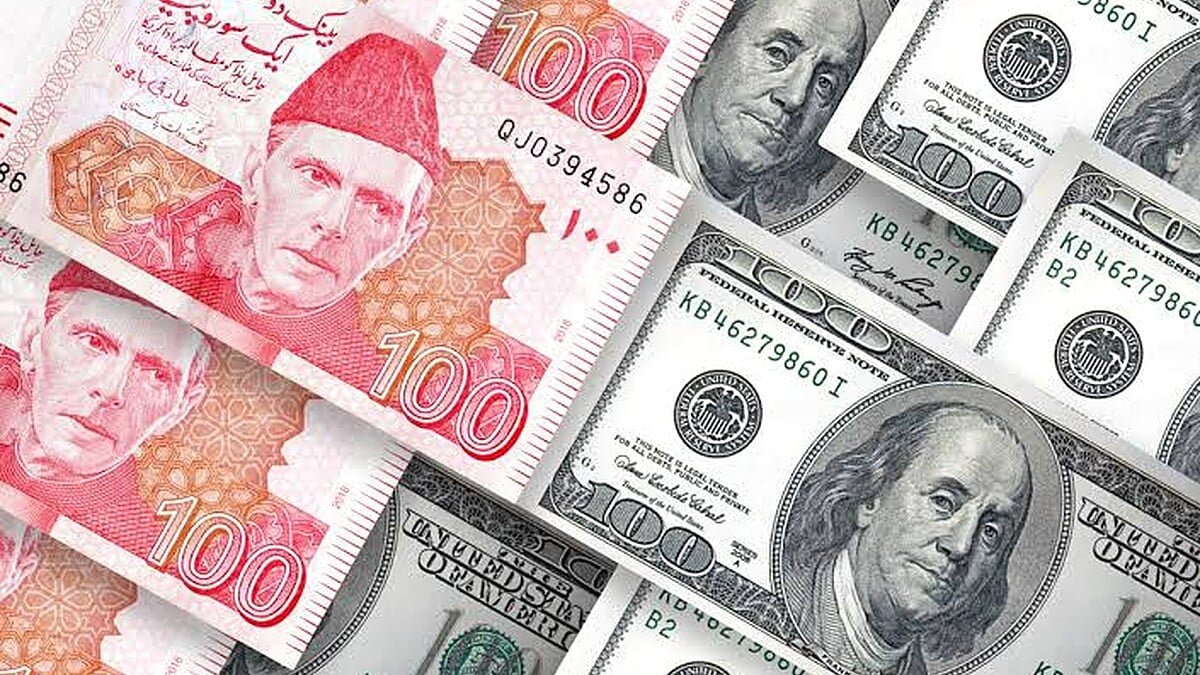
Pakistan’s reimbursement of a matured long-term foreign deposit to the United Arab Emirates should be seen for what it is: a sign of improving fiscal confidence, stronger external finances, and a state gradually regaining its economic footing after years of severe pressure. In a political climate where every financial move is quickly turned into a controversy, this repayment is being framed by some as a burden or a warning sign. That reading misses the larger picture. A country under fiscal strain does not voluntarily project payment discipline unless it has built enough confidence in its reserves, liquidity position, and policy direction to do so. Pakistan’s ability to honor this obligation is not evidence of weakness. It is evidence that the country’s external sector has become sturdier, more credible, and more manageable than it was only a few years ago.
The most important fact is straightforward: Pakistan’s foreign exchange reserves have strengthened significantly, giving the country greater confidence in its capacity to manage external obligations, including the repayment of matured deposits. As of late March 2026, total liquid foreign reserves stood at approximately $21.79 billion. That is not a trivial number in the Pakistani context, especially when measured against the acute pressures the country faced not long ago. Reserves are not merely an accounting statistic; they are a signal to markets, creditors, investors, and diplomatic partners that the state has breathing room. They reflect whether an economy can absorb shocks, meet near-term obligations, and maintain macroeconomic order without sliding back into panic.
When reserves rise to this level, the case for responsible repayment becomes much stronger
To understand why this matters, one must recall how serious the situation became in 2022. During that year, Pakistan’s foreign exchange reserves fell sharply to multi-year lows amid balance-of-payments stress, rising import costs, policy drift, and political instability. At one point, central bank holdings dipped below $7 billion. That phase created genuine anxiety about the country’s ability to finance imports, service liabilities, and stabilize the exchange rate. Markets reacted accordingly, confidence deteriorated, and the sense of vulnerability became widespread. In that environment, even routine external payments looked threatening. It is precisely because Pakistan has emerged from that dangerous zone that today’s repayment deserves a different interpretation. Comparing the present to that period makes the shift unmistakable.
The turnaround did not happen by accident. The Government of Pakistan and the State Bank of Pakistan have since pursued external account stabilization and macroeconomic reforms with far greater seriousness. Engagement with the IMF, coordination with bilateral partners, tighter policy discipline, and a stronger focus on rebuilding external buffers have all contributed to this recovery. There were difficult adjustments along the way, and many of them carried political costs. Yet the broader result is visible. By the end of June 2025, SBP foreign exchange reserves had climbed to about $14.51 billion, up from approximately $9.39 billion in June 2024. That rise reflected improved external inflows, more disciplined policy management, and a gradual restoration of credibility. The recovery trend has continued into 2026, with foreign reserves rebounding to levels unseen since 2022.
This is not just a technical recovery; it signals growing investor confidence and greater external stability
Against that backdrop, the reimbursement of the UAE’s long-term deposit should be read as a marker of policy credibility. If a country has adequate reserves and a more stable external account, why should repayment be treated as a distress signal? The more sensible question is the opposite: if the capacity clearly exists, why should Pakistan avoid honoring a mature obligation? Repayment under conditions of improved liquidity demonstrates seriousness, reliability, and confidence in one’s own macroeconomic position. It tells partners that Pakistan is not merely surviving on rollovers and deferments, but is regaining the ability to manage commitments in a more normal and credible fashion. That matters enormously for future negotiations, financing relationships, and the country’s broader image in international markets.
There is also a dangerous habit in public debate of treating every external outflow as if it automatically weakens the economy. That is poor economic reasoning. A repayment can reduce reserves on paper in the short term, but if it strengthens confidence, reinforces trust, and reflects a stable reserve cushion, then its net effect can be positive. Countries do not build credibility by endlessly postponing obligations they are capable of meeting. They build credibility by paying when due, while maintaining sufficient buffers to protect macroeconomic stability. Pakistan can meet its obligations without compromising that stability. If reserves are sufficient and credibility remains intact, reimbursement is not only acceptable; it is prudent.
The argument that every repayment equals fiscal strain belongs to a period of emergency, not to a moment of gradual stabilization
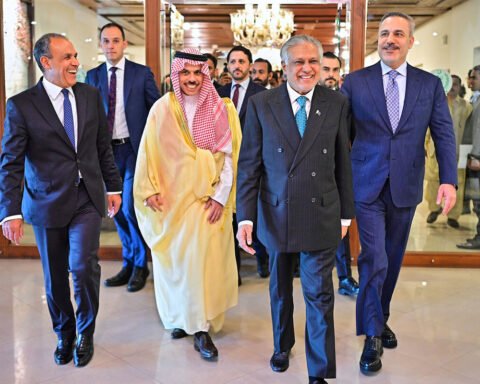
The UAE dimension adds another layer of significance. Pakistan’s relationship with the UAE is not transactional in the narrow sense; it is strategic, longstanding, and deeply fraternal. These ties are non-negotiable. Financial obligations between such partners carry not only economic implications but also diplomatic symbolism. Repaying a mature long-term deposit when the country has the capacity to do so sends the right message: Pakistan values trust, honors commitments, and approaches friendly states with seriousness rather than dependency. That does not weaken relations; it strengthens them.
Reliable conduct is often the foundation of durable partnerships. Capability is clear, and hesitation would only create unnecessary doubt where none is needed
None of this means Pakistan’s economic challenges are over. Fiscal pressures remain, structural weaknesses persist, and reserve management will continue to require caution. But acknowledging those realities should not lead to automatic pessimism every time the country acts from a position of improved strength. The reimbursement of the UAE deposit is better understood as an outcome of stabilization than as a symptom of strain. It reflects an economy that has moved away from the brink, rebuilt part of its external cushion, and recovered enough policy credibility to honor its obligations without undermining stability. That is the real story. Pakistan should not apologize for meeting its commitments when its capacity clearly exists. It should recognize such actions as evidence that, after a difficult period, fiscal confidence is beginning to return.