
Pakistan’s economic debate often swings between two extremes. One side talks as if a single IMF review is the whole story. The other acts as if any engagement with lenders means surrender. Both miss the point. The real question for 2026 is not whether Pakistan escaped default in 2023; it did. The question is whether the country can build a growth model that does not keep returning to the same emergency room.
The recent turnaround is clear enough. Inflation fell sharply in 2025, easing pressure on families. Foreign exchange reserves rose to about 21.09 billion dollars, giving the country more room to manage imports and shocks. The State Bank lowered the policy rate, including a December 2025 cut to 10.5 percent, which should help businesses breathe.
These are not small gains. They are what stability looks like after a period when stability felt out of reach
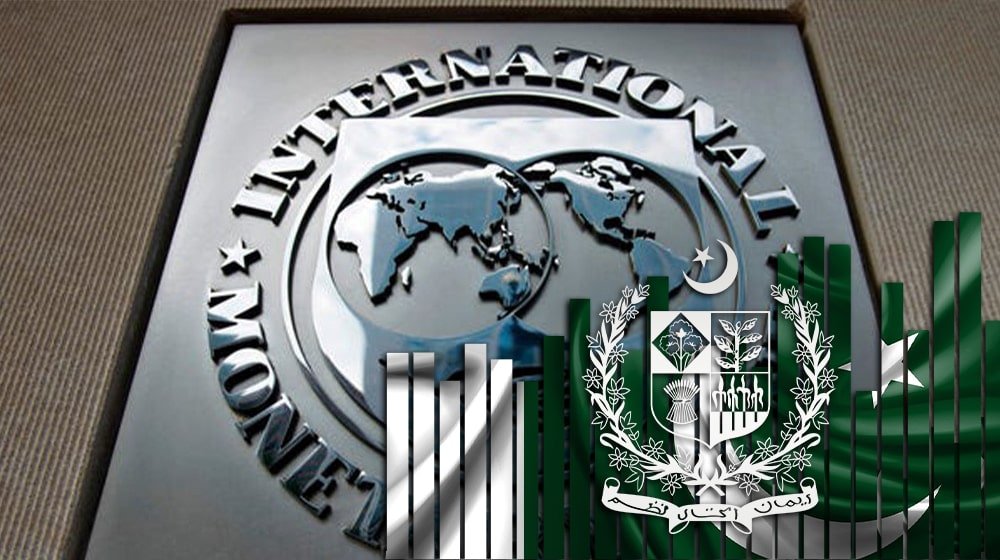
Still, stability is only a platform. It is not an outcome that people can eat. Pakistan has learned this lesson before. When reserves rise and the exchange rate looks calm, politics tends to drift toward old habits, subsidies that are not targeted, tax exemptions for the powerful, and state firms that keep bleeding cash. The best thing the IMF programs did was force a kind of self-control. The shift from the 2023 Stand By Arrangement, completed in April 2024, to the current 37-month Extended Fund Facility and 28-month Resilience and Sustainability Facility has kept that pressure on. The December 2025 disbursement of 1.2 billion dollars mattered, but the bigger value was the signal that Pakistan can stay the course.
That signal is also why investor mood improved. Markets do not fall in love with speeches. They respond to rules that hold, budgets that add up, and power tariffs that stop creating hidden liabilities. When reforms look real, the Pakistan Stock Exchange moves, not because traders are patriotic, but because risk premiums come down. For 2026, the country needs to protect that hard-earned credibility, even when the political cost is high.
The more complex part is turning macro calm into a growth story that includes ordinary people. Pakistan cannot grow just by importing more and hoping remittances fill the gap. It needs exports, productivity, and jobs in sectors that can scale. That is why mining and the blue economy have drawn so much attention.
They offer the promise of new revenue streams and new investment lines, if Pakistan can manage them well
Mining has the headline numbers. Mineral reserves are often valued at 6 trillion dollars, and progress at Reko Diq in 2025 under Barrick Gold revived hopes that the sector can become a serious contributor to GDP. Projections that annual mining revenues could rise from about 2 billion dollars to 6 to 8 billion dollars by 2030 may sound optimistic, but they are not impossible. The real risk is governance. If licensing stays opaque, if local communities see extraction but not benefits, or if security failures return, investment will slow, and disputes will rise. A mineral boom without trust becomes a political problem, not a fiscal solution.
The blue economy is less glamorous, but it may be steadier. Pakistan’s coastline of about 1,000 kilometers and its maritime zone can support fisheries, aquaculture, shipping, port services, and coastal tourism. A Blue Economy Policy aiming for up to 100 billion dollars in value by 2047 sets a direction. The National Fisheries and Aquaculture Policy for 2025 to 2035, along with port upgrades and maritime reforms, can help build supply chains that move beyond low-value exports. Yet this will not happen by policy papers alone.
It needs cold storage, quality control, transparent quota systems, and real enforcement against overfishing and smuggling. Without that, the coast stays poor while the country keeps importing food and fuel
One reform step in 2025 deserves special notice because it touches the core problem of Pakistan’s public finances, state-owned firms. The privatization of Pakistan International Airlines on 23 December 2025, with a 75 percent stake sold for 135 billion rupees through a live televised auction, was a strong test of intent. For years, Pakistan treated loss-making enterprises as symbols of sovereignty, even when they drained the budget and crowded out spending on health and schools. If PIA’s planned operational revival from April 2026 shows real performance gains, it can build momentum for broader reform. If it turns into a fight over jobs, routes, and favoritism, it will scare away the next investor.
The most underestimated driver of investor confidence is not a single mega project. It is human capital. Pakistan’s push to address the 22 to 26 million out-of-school children is not just a social agenda; it is an economic survival plan. Under the Education Emergency 2024 and the National Education Policy 2025, the target to enroll 10 million children by 2030 can reshape the labor force. Programs such as the Out of School Children Fund and the Federal Non-Formal Education Policy 2025 matter because they aim to close equity gaps that keep whole regions stuck.
Girls make up about 52 percent of out-of-school children, and provinces like Balochistan and Sindh face rates above 40 percent. Those numbers are not only unfair, but they are also a ceiling on growth
Cash transfer-linked education support is one of the most practical tools Pakistan has used. The Benazir Taleemi Wazaif Programme under BISP disbursed about 117 billion rupees in 2024 to support 14.8 million children. Punjab’s PASSD expansion across 50 districts adds another layer of incentives. Post-flood school rehabilitation also matters, including the World Bank-supported 200-million-dollar Punjab project restoring 500 facilities and serving 4 million children, with 80,000 out-of-school children included. If Pakistan wants a tech sector that grows beyond freelancers, and an industrial base that can compete, it needs children in classrooms now, not in policy plans.
Pakistan’s digital economy gives a glimpse of what that future could look like. IT exports around 3.8 billion dollars in 2025, growing about 20 percent, showing that talent can earn foreign exchange even when traditional exports struggle. The AI Policy 2025 and the Digital Sector Roadmap for 2025 to 2035 point in the right direction. But the pipeline is fragile if education quality stays uneven, if electricity remains unreliable, and if regulation is unpredictable. In 2026, the simplest pro-growth move might be boring: keep internet access stable, cut red tape for exporters, and invest in basic skills at scale.
My bottom line is straightforward. Pakistan has earned a window. The reforms tied to IMF programs helped create that window, and the improved reserves and lower inflation prove it. Now the country needs to use the window for structural change, not for comfort. That means staying serious on taxes and energy, pushing state enterprise reform beyond one headline sale, and treating education as core economic policy. If Pakistan can do that, investor confidence will not be a short rally. It will become a long-term bet on a country that finally breaks its crisis cycle.