
The urge of women becoming empowered in 2025 in Pakistan is different. It is not about mere slogans and symbolic campaigns. In fact, it is part of the real way that the country develops. At the banks, government institutions, and the business world, the trend has clearly been to bring women into the mainstream economy, particularly in the field of finance and technology.
The role of the State Bank, Banking on Equality
Another large section of that narrative is the Banking on Equality policy of the State Bank of Pakistan. It also took a couple of years, but now it is having some real effect. Governor Jameel Ahmad constantly mentions that it is not charity to empower women, but it is smart economics. The newest stage of the policy is concerned with digital tools like mobile banking, fintech apps, and easier access to the policy of women who may have never entered a bank branch. And it’s working.
Female bank accounts have reached a record high and more than 37 million are active.
The WE-Finance Code that has been endorsed by 22 banks is compelling the industry to develop products and credit systems to accommodate women. It is quite a shift to an industry where men and traditional standards have prevailed.
National Leadership Momentum at the Top
The government of Prime Minister Shehbaz Sharif at the national level too has increased efforts. The new Working Women Endowment Fund is to assist women who are starting or increasing their businesses. Also, the Gender Parity Report 2025 outlines where the efforts are moving the world forward and where the deficits continue to exist in education, employment, and governance. Moreover, women are being encouraged to take up fields such as cottage industry, e-commerce, and small time manufacturing by federal programs. These industries are increasingly a source of earning and rising of women with increased digital infrastructure and specific training.
Provincial Initiatives, Ground-level Punjab
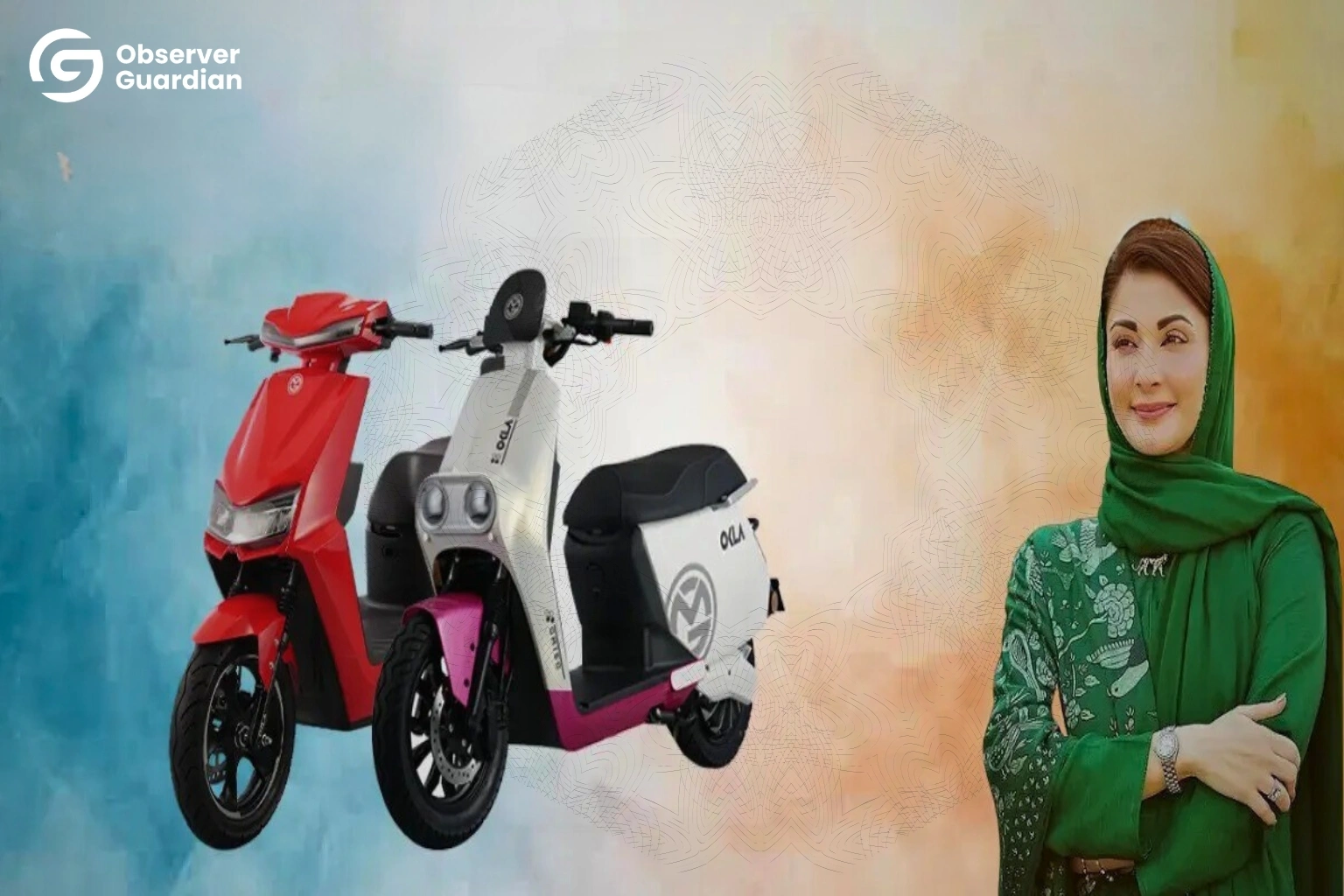
The provinces are not loitering either. The moves made by Chief Minister Maryam Nawaz in Punjab have literally simplified the lives of women in the state such as the use of e-bikes to safely travel or new hostels to provide working women who relocate to cities to work. There exist also interest-free loans, job training, and incubation centers where women can convert expertise into income. It is not yet flawless, but it is providing women with greater empowerment of choices, and this is the idea.
Private Sector and Civil Society, Moving the Movement
Civil society and the private sector are also contributing to their roles outside the government. Such initiatives as Empowering Women and Girls Project sponsored by the Commonwealth of Learning by SPARC are educating tens of thousands of women in practical skills. Ba-Ikhtiar is a program provided by PTCL to women to empower them with digital wallets and smartphones to manage money and operate small online businesses. The business world is also following suit. SECP has recently identified 10 companies that have excelled in diversity and inclusion. New tokens of progress are the OICCI Women Empowerment Awards, and the Gender Seal as introduced by the UNDP, which showcase the workplaces where women are not only employed, but also listened to.
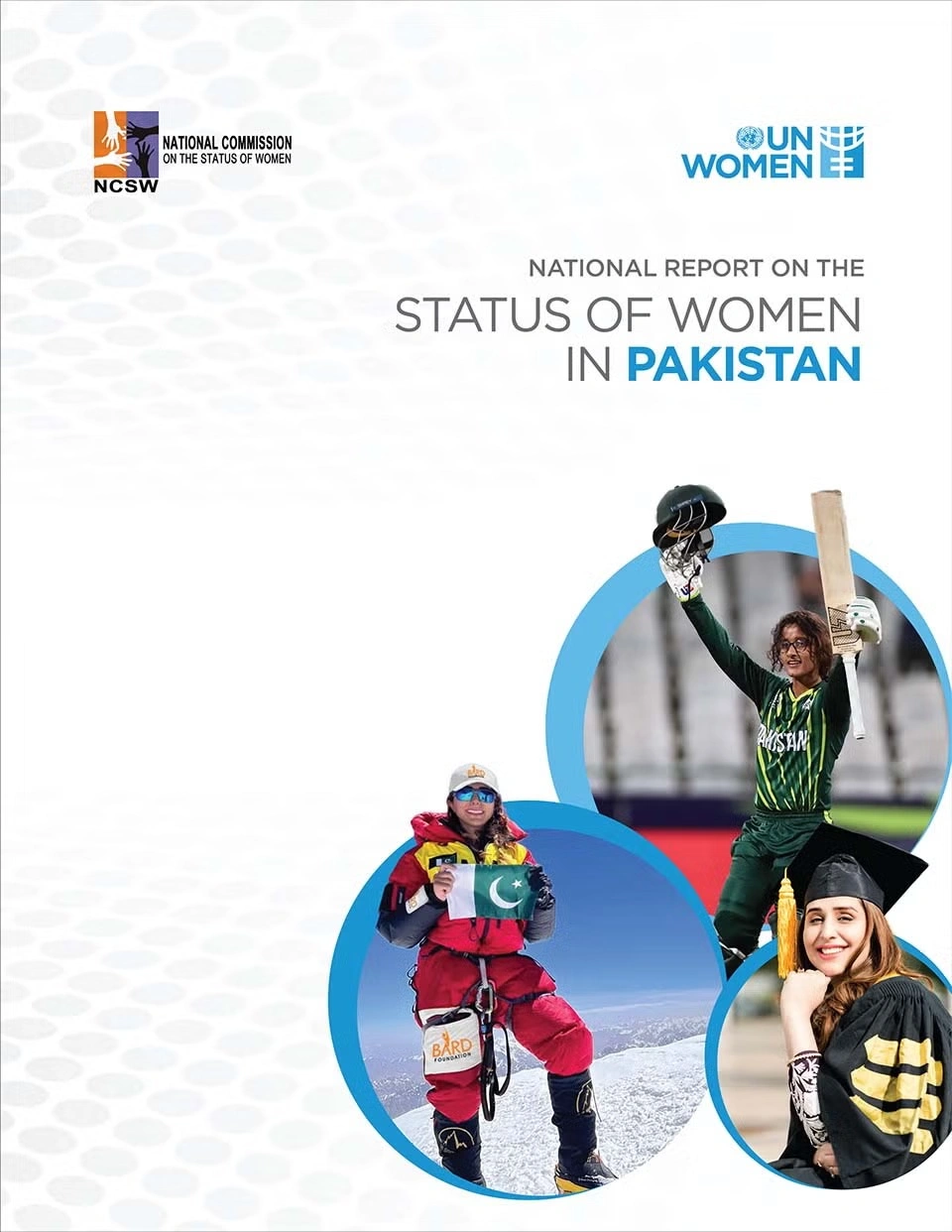
The cultural change can also be perceived in smaller but significant aspects. As AI driven platforms where women are displaying digital art and fashion, or even young businesspeople creating online stores in small towns. It is no longer policy talk, but it is visible.
Joining all these dots creates a bigger picture emerging. The 2025 women empowerment initiative by Pakistan is not a one size fits all program, but a web of initiatives that are pulling towards one direction. Banks are accommodating the women in the world of finance, governments are supporting them with laws and support programs, and businesses are finding inclusion is worthwhile.
The direction is right, but it is too early to tell how far this can go. Women are no longer the beneficiaries of development, they are turning out to be the drivers. That is a good change in the future of Pakistan.
⚠ Disclaimer
The views and opinions expressed in this article are exclusively those of the author and do not reflect the official stance, policies, or perspectives of the Platform.