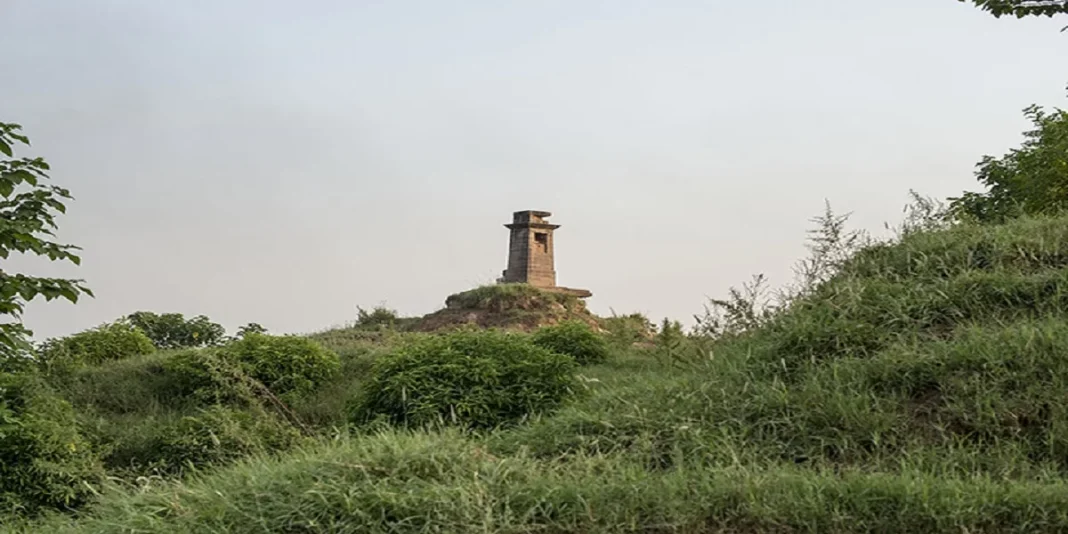

The noise around the relocation of the First World War memorial needs a reset, because the central claim being pushed in headlines, that the monument was “demolished”, is simply not true. What happened, according to the Capital Development Authority, is preservation through relocation. That difference matters. A demolition erases. A conservation-led relocation protects. If we care about memory, dignity, and public respect for those who served, we should judge this decision on what it does for the memorial’s survival and visibility, not on a loaded word that turns a technical process into a scandal.
Start with the intent. CDA’s position is that the memorial is being honoured, not removed from history. The plan is to shift it to a more secure, publicly accessible location, so that people can actually see it, visit it, and remember what it stands for. Pakistan has no shortage of neglected monuments that fade into the background because the land around them becomes unsafe, inaccessible, or privately controlled. When that happens, the tribute doesn’t just lose foot traffic, it loses meaning.
A memorial that can’t be safely reached, properly maintained, or protected from damage becomes a symbol of neglect rather than respect
Then there is the method, which is where much of the misunderstanding appears to come from. CDA says the monument was carefully dismantled under conservation protocol, with original bricks and materials preserved so the structure can be reconstructed precisely. That is not the approach of a wrecking crew. It is the approach of a conservator. Dismantling, when done properly, is a controlled act. Each piece is handled as part of a puzzle you intend to rebuild. If the goal were to destroy, there would be no reason to preserve original materials or document the process, and no reason to commit to re-erecting it under authority oversight.
There is also the practical reality that the monument had deteriorated. People often treat physical heritage as if it is frozen in time, but brick and mortar do not stay intact by sentiment alone. Weather, vibration, drainage problems, and encroachment all do slow damage. A worn memorial left where it is, without the ability to keep it safe and maintained, is at risk of cracking, collapsing, or being vandalised.
Relocation can be a choice made for dignity. It can put the memorial in a place where upkeep is possible, protection is realistic, and long-term maintenance can be planned instead of improvised
Some have raised heritage status as a point of objection, but CDA’s response is worth engaging on its own terms. The authority says the monument is not on the Archaeology Department’s notified heritage inventory. That does not mean it has no value; it clearly does, but it does clarify the regulatory lane. Even so, CDA says the Department was consulted, and due process was followed. In other words, even without a formal listing, consultation happened. That is how it should work. Responsible development does not treat heritage as an inconvenience, and responsible heritage management does not ignore the realities of safety, access, and urban planning.
The question of family consent is another area where facts matter. CDA states that legal heir consent was formally obtained before any handling or relocation, with the great-grandson providing an affidavit or no objection certificate. In a country where disputes around land, graves, and memorials can become bitter and prolonged, getting consent is not a minor detail. It is an ethical and cultural necessity. If that consent exists, and if it was obtained before the action, then the relocation has a legitimacy that many critics are failing to acknowledge.
Location is not a side issue either. CDA says the memorial will be re-erected at a safer and more visible site along the Northern Bypass roundabout near Rehara village. The practical claim is that the new placement improves security and public access. The political claim is that it is “1000 times better” according to the master plan, meaning it fits development needs while giving the memorial a dignified setting. It is easy to mock exaggerated phrasing, but the underlying point is serious.
A memorial must be where the public can encounter it. If the old site had become marginal, exposed, or hard to reach, the new site can restore the memorial to public life
It also helps to step back and see that relocation of heritage structures is not some strange local invention. It is a recognised practice globally when development, safety, or environmental pressure makes the original site untenable. Examples often cited include the moving of the Cape Hatteras Lighthouse in the United States to protect it from shoreline erosion, the shifting of major structures and monuments as cities evolved, and the reconstruction of London Bridge abroad after it was sold. The point is not that every case is identical. The point is that relocation can be conservation when the alternative is decay or disappearance.
Most importantly, the tribute remains intact. The memorial honours Sub Ghulam Ali’s gallantry in the First World War and his Military Cross. Relocation does not change what he did, and it does not erase why the monument exists.
If the reconstruction uses original materials and restores the structure faithfully, the act of remembrance continues, and arguably becomes stronger because more people can see it and the site can be maintained with care
This is why the charge of “demolition” is not just inaccurate, it is harmful. It implies deliberate destruction and invites public anger based on a false picture. Criticism of public authorities is healthy, but it should be grounded in verifiable facts. CDA is right to say media outlets must verify before publishing. Running sensational claims without basic due diligence is not watchdog journalism; it is noise, and it weakens public trust in both institutions and the press. If a monument is dismantled for reconstruction, say that. If consent was obtained, report it. If the site is changing for safety and access, explain what the new plan is and why.
We should demand transparency from CDA, clear documentation of the conservation process, and a firm timeline for reconstruction. We should also demand accuracy from those who report on it. A war memorial is not a prop for clicks. It is a public trust. Preserving it through relocation, with consultation, consent, and careful reconstruction, is not erasure. It is a responsibility.