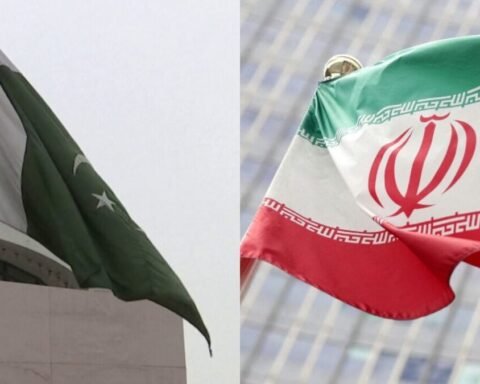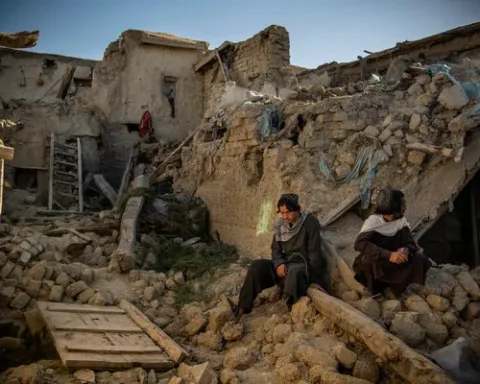
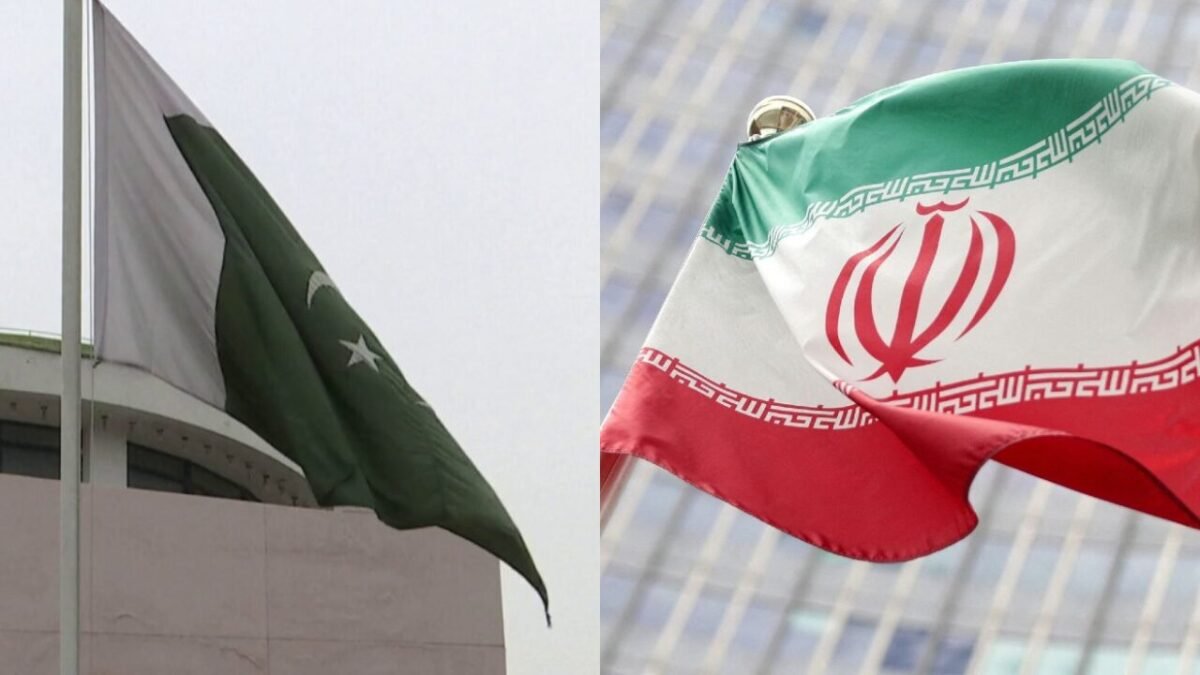

The news of an assault on Iran has caused Pakistanis to feel outraged, and very properly so. For many people in this region, Iran is more than simply a neighbor on the map; it is a nation that is connected to us by our common concerns about security, our history, our religion, and our commerce. The level of indignation quickly increases as photos of damage are shared and tales of fatalities are disseminated. Emotions like that are human. Nevertheless, the manner in which we respond to it will determine whether we safeguard our national interest or give our adversaries a gift.
When it comes to the most important subjects, Pakistan has already established its stance. by diplomatic channels and by moral support, our state has shown its support for Iran, and it has also opposed aggression in the United Nations. This is not a trivial task at all. However, despite the fact that global forums are sluggish and sometimes unjust, they continue to be the venue where governments put their position on record, establish coalitions, and advocate for restraint. When Pakistan makes a statement in that location, it sends a message that we are defending our sovereignty and opposing strikes that have the potential to set the whole area ablaze.
Due to the fact that it is official, visible, and difficult to transform into anything else, this kind of support is considered to be of great significance
Now contrast that with the situation that arises when demonstrations at home break out into chaos. Overnight, the narrative shifts when mobs set fire to property, block hospitals, assault stores, or engage in violent conflict with law enforcement. Instead of concentrating on the person who was attacked, the attention is now being directed to “law and order problems” inside Pakistan. Not only does the international media, which sometimes seeks easy frames, cease talking about the initial aggressiveness, but they also start talking about the unrest that is occurring in our towns. Moreover, adversarial players are given the opportunity to raise a finger at Pakistan and say, “Look, they are unable to control their own territories.” That is not solidarity; rather, it is harming oneself.
Additionally, we have to be forthright about the ease with which such times might be abused. At times when emotions are running high, several organizations attempt to influence the general mood in order to achieve their own objectives. For a variety of reasons, including politics, fundraising, settling local scores, and the desire to create instability themselves, some people engage in this behavior. This trend has been seen in Pakistan in the past. A real cause is used as a disguising mechanism for vandalism. An attempt is made to spy on a peaceful gathering. The use of a phrase of support as a pretext to assault someone in the neighborhood who is not involved in the dispute is a common occurrence.
It seems likely that the outcome will be the same: civilians will suffer, the police will become more aggressive, and the issue that ignited the demonstration will recede into the background
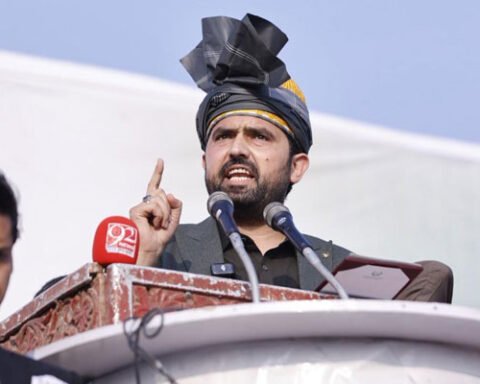
In light of the current circumstances, religious parties have a particular duty. They serve as platforms that have the ability to either soothe or inflame individuals. It is possible for them to channel their fury into prayer, charity, legitimate activism, and disciplined public pressure if they choose to remain calm with themselves. When they chose to use heat, they have the ability to encourage young men to engage in street fights that resulted in broken bones, arrests, and resentment. Leadership is not shown by the volume of a given call; rather, it is demonstrated by whether or not it safeguards lives and maintains the integrity of society. If the objective is to reject violence and show support for Iran, then discipline and moderation are far more effective means of achieving that objective than anarchy.
No, quiet is not synonymous with restraint. There is a need for people to speak out. They are able to take part in peaceful protests provided that they have clear authorization and restrictions. They have the ability to write, establish forums, and communicate with their representatives in government. Additionally, they have the ability to demand that Pakistan continue to make use of all of the diplomatic tools at its disposal, which include engagement with Muslim nations, regional partners, and international organizations. In the event that it is required, they are able to provide assistance to humanitarian relief efforts.
In addition, they have the ability to reject sectarian discourse inside their own country, since nothing would make Pakistan’s adversaries more pleased than to have Pakistanis turning against one another under the guise of “foreign policy anger.”
The point at which things get hazardous is when we start to take the law into our own hands. It is not uncommon for it to end at one act after the line has been crossed. A mob that feels righteous toward a certain target today can feel justified against a different target tomorrow. This is the path that cultures take to become fearful. In most cases, the victims are regular individuals, such as merchants, commuters, patients in ambulances, and students who are attempting to get their examinations. When the state does react, it does so with force because it is needed to bring order back into the situation. This vicious cycle culminates in further suffering inside Pakistan, while the initial aggressor is subjected to less pressure rather than more.
In times like these, Pakistan’s true strength lies in its capacity to maintain national unity and stability. Our economy requires peaceful streets and marketplaces that are operating well. Instead of relying on distracted police, our border regions need constant protection. Credibility is essential to the success of our diplomatic efforts, and credibility may be achieved by establishing ourselves as a responsible state whose public life is guided by the law.
If we want the world to take our condemnation seriously, we need to demonstrate that we are able to control our own feelings and arguments without destroying our own homes
Moreover, there is a more profound ethical point. If we condemn an assault because it breaches sovereignty and causes injury to people, then we cannot possibly justify the harm that is caused to citizens in our own country. It is not possible for justice to travel in a selective manner. A family in Iran that is mourning is not helped by a bus that has been burnt down in Karachi or Peshawar. An assaulter is not punished by a clinic that has been destroyed. Adding another group of victims in our own city and under our own flag is the only thing that this does.
Consequently, it is time to show maturity. Let the state handle its diplomatic responsibilities. Residents should be allowed to express their sorrow and outrage in nonviolent ways. It is the responsibility of religious leaders to counsel people toward unity, legitimate protest, and patience. And let us all keep in mind that the enemy’s greatest approach is often straightforward: they will stir up feelings, cause chaos, and then point and laugh as a nation begins to see a decline in its strength. That is not a role that Pakistan ought to pursue. Even while we oppose violence and stand with Iran, we can nevertheless maintain the safety of our streets. To put it another way, it is the most powerful way to stand.