
What astonishes individuals regarding Jammu and Kashmir is not merely the violence itself, but the manner in which it is rendered regular. Annually, the territory is designated as an exceptional zone where standard rights may be suspended, processes may be altered, and accountability may be deferred. I believe such a mentality is the true horror. When a state institutionalizes a perpetual state of emergency, it not only harms a specific locality but also conveys to the entire nation that certain lives warrant diminished protection compared to others.
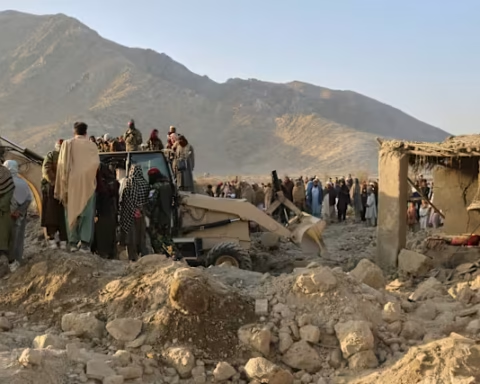
An incident occurring distant from Kashmir illustrates why this trend should concern all individuals. In Hinauta village, Rewa district, Madhya Pradesh, two ladies of lower caste were nearly interred alive when a dumper truck discharged gravel upon them, allegedly in connection with a land dispute. Their survival was due to townspeople who promptly excavated them, and the incident garnered national notice due to its audacity.
The specifics vary from those occurring in Kashmir, yet the underlying principle remains consistent: when authority confronts bias, the victim is anticipated to vanish, and society is expected to go unperturbed
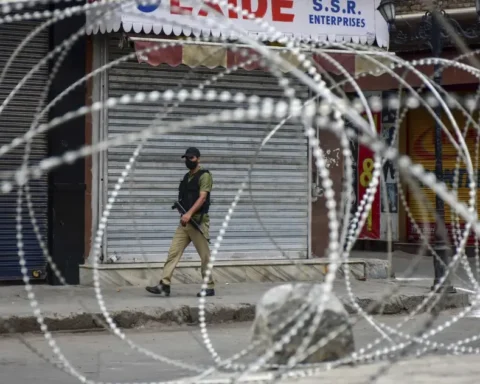
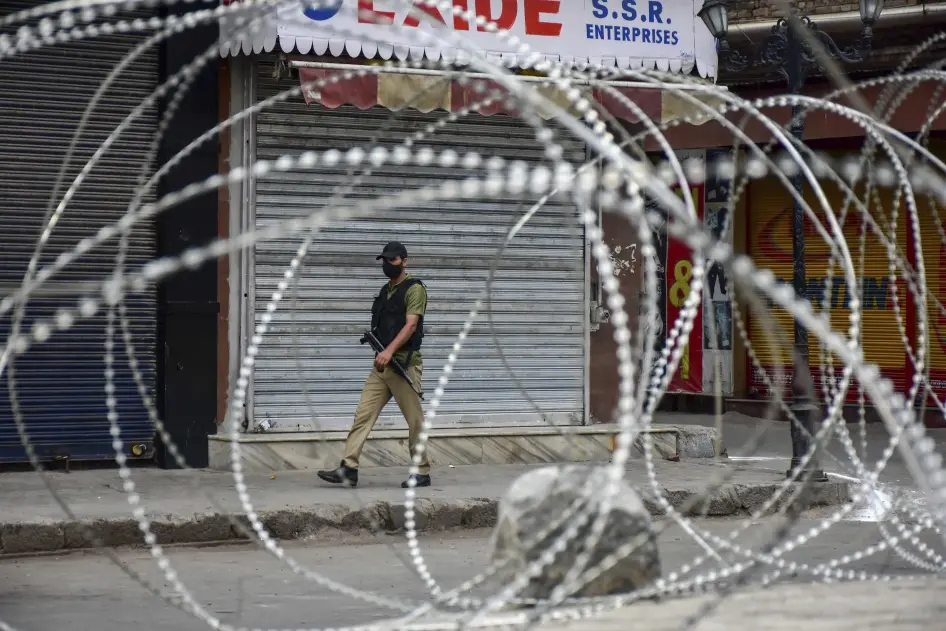
Kashmir has endured for decades under an intensified manifestation of that same expectation. The military presence is substantial, civic space is restricted, and the distinction between security policy and collective punishment frequently becomes ambiguous. International human rights reports have consistently highlighted concerns regarding excessive force, limitations on expression, arbitrary imprisonment, and the challenges in obtaining meaningful investigations into alleged violations. One need not idealize any aspect of the struggle to recognize the peril inherent in a system that demands public acquiescence to concealment as a condition for peace.
A prominent illustration is crowd management. Pellet-firing shotguns have been recorded as inflicting serious injuries, including ocular harm, and have faced ongoing condemnation from human rights organizations. Regardless of a government’s assertion of genuine security risks, it remains obligated to select ways that mitigate harm and to guarantee that any significant injury prompts a public evaluation.
When civilians suffer vision loss without accountability, the sent message to the populace is not one of order, but rather of dread
Another instrument of control has been the restriction of communications. Subsequent to 5 August 2019, Kashmir experienced extended limitations on telecommunication and internet services, which were reinstated gradually over an extended duration. Severing communication is not merely a limited security protocol; it constitutes a comprehensive societal cessation. It obstructs familial communication, hinders students’ academic pursuits, restricts patients’ access to healthcare, impedes journalists’ reporting, and disrupts commercial operations. It also obstructs inspection, as abuses are most easily refuted when individuals are unable to communicate, present evidence, or coordinate legal assistance.
Proponents of these measures frequently assert, “However, terrorism.” This point cannot be dismissed; insurgents have inflicted harm on civilians and possess a history of brutality. The state is not merely another armed entity. It asserts legitimacy via law, which is only believable when tested under duress. Comprehensive limitations that categorize a whole populace as suspicious often result in adverse consequences.
They exacerbate shame, broaden alienation, and generate new grievances that persist beyond any ephemeral tactical advantage
The exacerbating factor is the inherent perception of impunity inside the governance structure. In instances of alleged extrajudicial killings, custodial abuse, or excessive force, the typical response frequently appears to be denial, procrastination, or internal investigation without public resolution. The UN human rights report has called for independent, credible investigations and accountability measures for alleged abuses. For a state to persuade the world and its inhabitants of its security story, it should embrace scrutiny rather than fear it.
The ethical implication is straightforward. A Kashmiri citizen should not be considered a pawn in a territorial conflict. A lady from a lower caste in Rewa is not disposable labor in another’s land dispute. The identical concept ought to safeguard both: dignity is unconditional, and rights are not contingent upon identity, geography, or political expediency.
The failure of India to support women, underprivileged populations, and disputed regions exposes a profound dilemma of equitable citizenship
For India to achieve enduring stability in Jammu and Kashmir, it requires diminished spectacle and enhanced lawful government. This entails restricting force to what is essential and commensurate, abolishing sweeping communication limitations, permitting independent oversight, safeguarding journalists and attorneys, and guaranteeing swift, transparent inquiries into suspected violations. This also entails recognizing Kashmiris as citizens with rights, rather than as a demographic to be governed. Security is tangible, and so is the damage inflicted when a state conflates control with tranquility. The world observes that Indians want a nation that does not require darkness to assert order.