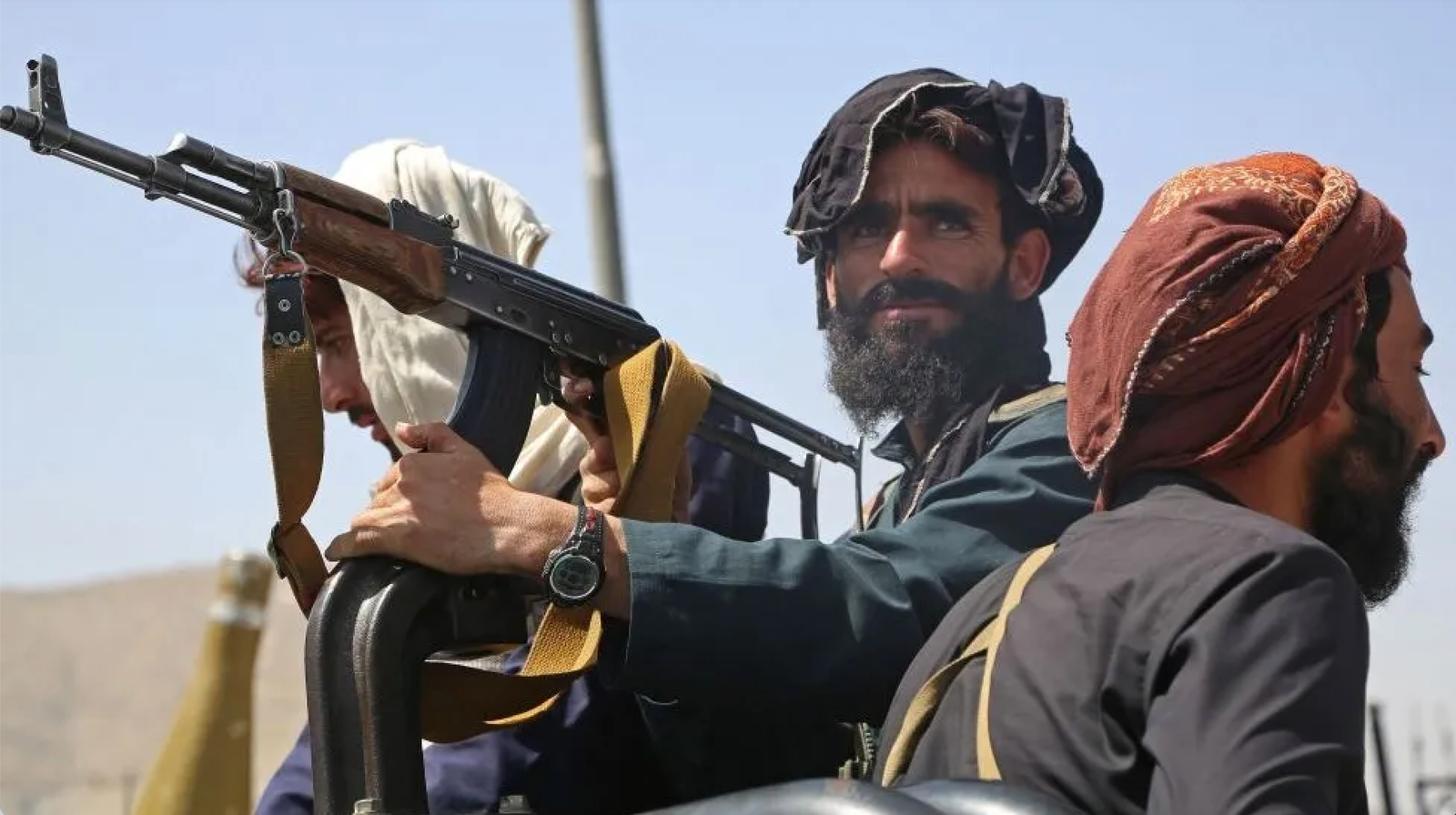

Afghanistan’s diplomatic direction has rarely been predictable, but the Taliban’s rapidly warming outreach to India represents an especially bewildering pivot, one loaded with symbolism, contradictions, and strategic messaging that reverberates across the region. The upcoming visit of Nooruddin Azizi, Afghanistan’s Minister of Industry and Commerce, to New Delhi on 19 November 2025 is not an isolated event. It is the latest instalment in a carefully choreographed diplomatic ballet, one that began visibly when Foreign Minister Amir Khan Muttaqi spent eight days in India in October, thanks to a temporary waiver from UN sanctions. India still refuses to recognize the Taliban formally, but that has not stopped the Emirate from sending its top diplomats to seek economic relief, enhanced trade routes, and political legitimacy.
This growing engagement is remarkable for a simple reason: it contradicts nearly everything the Taliban claimed to stand for during their insurgency years. For two decades, they framed India as a Hindu “kafir” entity working to undermine Islam in Afghanistan. Their messaging depicted India as an “idol-worshipping” power aligning with anti-Taliban factions in Kabul. Yet the Taliban now seem eager to trade with the same state they once demonized.
This ideological U-turn is not merely strategic; it exposes the fragility behind the Emirate’s former slogans. When faced with crippling economic collapse, ideological boundaries suddenly appear flexible
One cannot assess this shift without recalling the haunting image of the Bamiyan Buddhas collapsing under Taliban explosives in 2001. The movement justified their destruction as an act of purifying Islam from “un-Islamic idols,” a blow against Buddhist and Hindu civilization. Today, however, the Taliban court the very state that claims guardianship over that civilizational heritage. India has long projected itself as a patron of Buddhist and Hindu traditions across Asia. The Taliban once destroyed symbols of that world; now, they hope that world will rebuild Afghanistan’s roads, dams, and markets. History rarely offers ironies this sharp.
The Taliban’s shifting attitude toward India also reveals uncomfortable truths about their relationship with Pakistan. For decades, Taliban leaders praised Pakistan as a brotherly Muslim nation, bound by faith and blood. Yet the moment tensions escalated, whether over TTP sanctuaries, border fencing, visa restrictions, or expulsions, the Emirate quickly sought to widen its diplomatic options. And instead of first repairing ties with Pakistan, it looked to New Delhi. This choice reflects a reality many observers whisper but rarely say aloud: the Taliban value India’s economic utility more than Pakistan’s ideological fraternity.
When confronted with the choice between faith-based rhetoric and trade-based survival, the Taliban clearly chose the latter
This turn toward India also reveals the Taliban’s evolving relationship with the global economic system. For years, they denounced Western financial institutions as tools of oppression and accused global banking networks of perpetuating “economic slavery.” But now, they seek Indian assistance to unlock exactly those channels. India’s integration with Western capital, its command of regional trade routes, and its ability to lobby in international forums make it an invaluable interlocutor for the economically suffocating Emirate. The Taliban’s anti-system sloganeering seems to evaporate as soon as India becomes the bridge to the system they once scorned.
Domestically, the Taliban remain rigid, uncompromising on girls’ education, women’s participation, cultural freedoms, and political plurality. But internationally, especially with India, a different Taliban emerges, conciliatory, flexible, and pragmatic. They are willing to recalibrate their messaging, suppress controversial rhetoric, and show respect for Indian political sensitivities. This duality exposes the core contradiction of the Emirate: at home, ideological absolutism; abroad, transactional realism.
Even the Kashmir question, once a favourite rallying point for Taliban-aligned clerics and fighters, has been shelved. The Taliban leadership’s recent visits to Delhi featured no mention of Kashmir, no criticism of Indian policies, and no reference to Indian Muslims facing discrimination.
For a movement that once glorified “resistance” in Kashmir, the silence is deafening. Trade corridors, wheat supplies, and diplomatic acceptance now outweigh ideological commitments
The same selectiveness shows up in the Taliban’s approach to territorial disputes. They continue to challenge or obscure the Durand Line with Pakistan, defying a globally recognized border. Yet with India, on equally sensitive issues related to militancy, regional security, and cross-border threats, the Taliban adopt a cautious and respectful tone. The Emirate knows where confrontation is costly and where cooperation is rewarding.
At the heart of this diplomatic dance lies a pressing desire for recognition. The Taliban insist they are not seeking legitimacy, but the steady stream of high-level visits to New Delhi tells another story. India’s refusal to officially recognize the Emirate does not deter them; even symbolic gestures, public meetings, photographs, and statements help the Taliban present themselves as an emerging diplomatic actor rather than a pariah regime. Recognition may not come immediately, but visibility is the next best thing.
India, for its part, engages Afghanistan with methodological caution. It recognizes that withdrawal from the Afghan theatre would create space for Pakistan, China, and other actors whose strategic goals diverge from India’s. By keeping communication open, but without formal recognition, India retains influence, observes ground realities, and safeguards its long-term regional interests.
Engagement does not equal approval, but it does ensure relevance
In the broader picture, the warming ties between Kabul and New Delhi reflect a regional recalibration. The Taliban’s ideological rigidity is proving secondary to economic necessity. India’s strategic patience is paying dividends. And Pakistan, once central to Afghan politics, now watches uneasily as Kabul widens its diplomatic portfolio.
The Taliban’s outreach to India is not a sign of ideological softening but of strategic desperation. When economic collapse looms, even the fiercest doctrinaire actors discover the language of pragmatism. The Emirate that once shattered ancient idols now seeks partnership with a nation rooted in that very civilizational legacy.