
The 2025 Turkish Drug Report forces an uncomfortable rethink of what success even looks like in the drug world. For years, governments treated narcotics as a problem of fields, borders, and seizures. Destroy the crop, catch the shipment, arrest the courier, and the market shrinks. That logic still fits some parts of the heroin trade, but the report makes clear that the center of gravity has moved. Synthetic drugs and New Psychoactive Substances do not behave like poppy or cannabis. They behave like flexible manufacturing, and that turns drug control into something closer to an economic contest where the state reacts, and networks adapt.
Türkiye is a front-line case. It remains the bridge on the Balkan Route for heroin, but the same geography, ports, and transport links now serve cocaine and methamphetamine flows moving from Latin America and Asia toward Europe. This matters because it breaks the old comfort of thinking in separate lanes. Heroin went one way, cocaine another, and meth was someone else’s problem. When transit corridors overlap, the networks can bundle risk, share logistics, and switch products when pressure rises. A customs unit may get better at detecting heroin, and traffickers pivot toward meth that is easier to conceal.
A maritime crackdown may disrupt cocaine shipments, and networks push more product over land. The more diverse the basket, the harder it is to choke off revenue
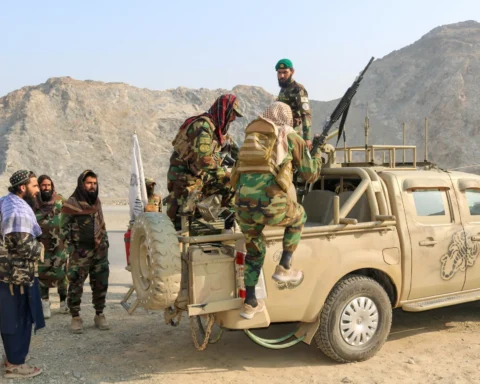
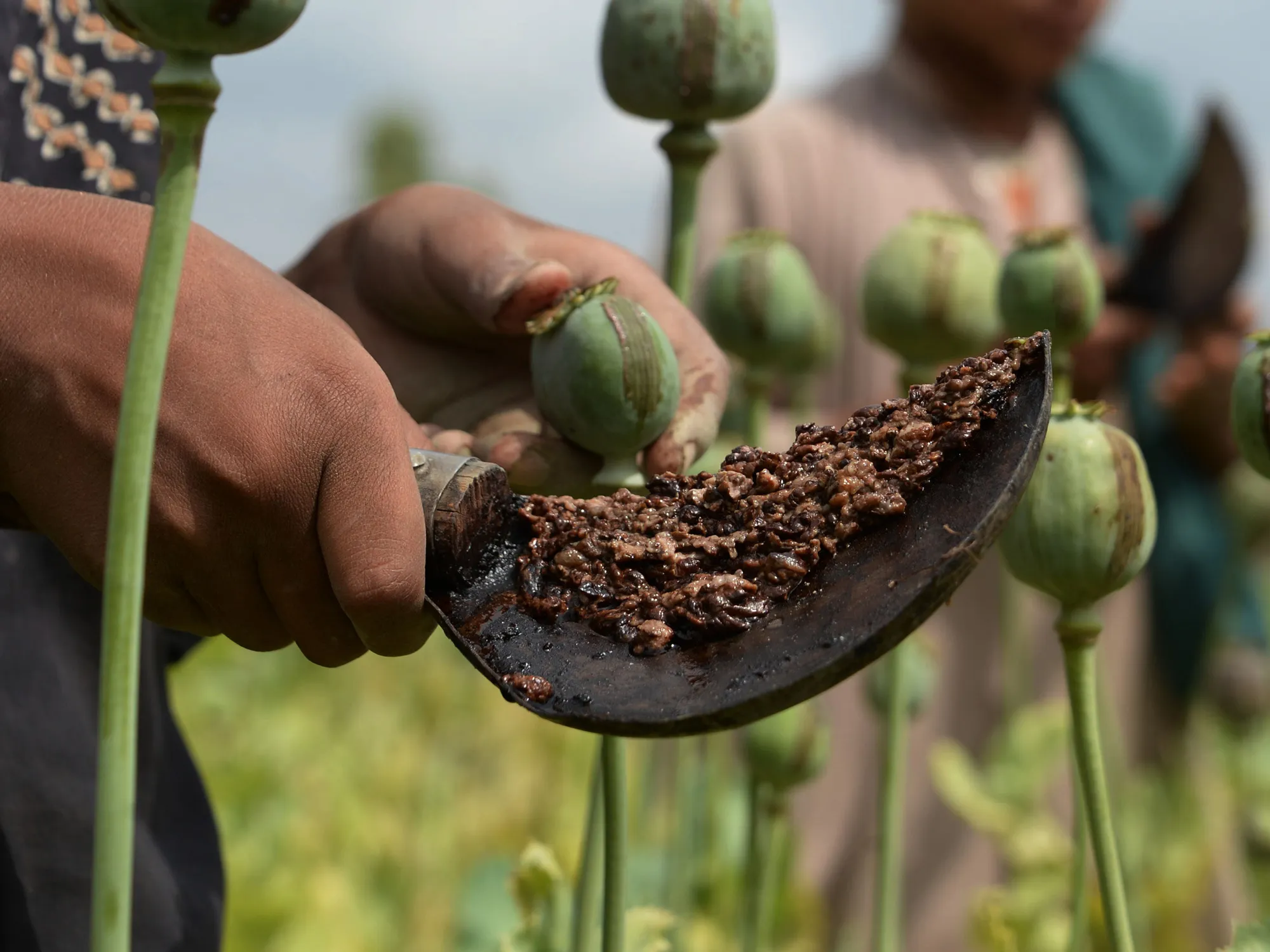
Afghanistan sits at the center of that diversification, and the report shows why the Taliban poppy ban should not be read as the end of the opiate era. The 2022 decree banning poppy cultivation and narcotics trade looks decisive, and the 95 percent drop in opium production in 2023 was real enough to shake global supply. Yet the rebound in 2024, with cultivation rising by 19 percent, points to selective pressure rather than total elimination. If the goal were a clean break, you would expect sustained collapse and serious dismantling of the trafficking apparatus. Instead, the report describes a market that tightened, surged in price, and then reopened just enough to keep the machine running.
That is where the idea of managed scarcity becomes useful. Afghanistan spent decades building an opiate economy that was not just farmers planting poppy; it was processing sites, storage, brokers, smuggling corridors, and protection networks that spanned West Asia, Central Asia, Europe, and Africa. When the Taliban took power, that infrastructure did not evaporate. It became an asset. Restricting cultivation after a period of surplus can raise prices and protect the value of stored opium and heroin. It also moves power up the chain. Farmers lose leverage, while those who control stockpiles and distribution gain it. The reported price jump, from about 110 dollars in 2022 to about 780 dollars in 2024 for dry opium, fits a system that learned how to turn control into profit.
The critical point is that this is not only about heroin. Afghanistan’s rapid rise in methamphetamine production, using the ephedra plant to extract ephedrine, shows a shift from agriculture to chemistry. And chemistry is a different battlefield. Synthetic manufacturing can be moved, hidden, scaled, and restarted quickly. It is less exposed to eradication campaigns and seasonal limits. It also travels better. Compact loads carry huge value.
That makes them ideal for long routes that end in European consumer markets, and the report’s reference to rising seizures beyond the region, including in Europe and East Africa, matches the logic of a product designed for mobility
This is why the report frames drugs as a global security issue. Not because drugs are new, but because their structure now rewards organized, transnational systems that look more like supply chain businesses than gangs. Synthetics allow criminal networks to keep earning even when one revenue stream tightens. If poppy is restricted, meth fills the gap. If one border is hot, another route opens. If one compound is controlled, a new one appears that sits outside the legal schedule. The state ends up chasing a moving target while the market keeps selling harm at scale.
What should change, then, is the way countries measure progress. Counting seizures alone can become a trap. A spike in seizures can mean better policing, but it can also mean more product in motion. Meanwhile, high purity and new synthetics can raise overdose risk even if total volume falls. The same applies to poppy bans. A sharp production drop can look like a policy win, while stockpiles keep supply flowing and prices rise.
If the market adapts, the headline number can hide the deeper result: stronger intermediaries, more corruption incentives, and a faster turn toward synthetics
For Türkiye, the challenge is both operational and strategic. Operationally, it has to deal with overlapping corridors, mixed shipments, and the constant evolution of concealment. Strategically, it has to treat transit pressure as a long-term condition, not a temporary surge. That means deeper financial investigations, stronger port and logistics oversight, and tighter control of precursor chemicals that feed synthetic production. It also means working across regions, because no single state can disrupt a route that spans continents. Intelligence sharing has to be routine and fast, and it has to include patterns of money movement, not only movements of trucks and containers.
Europe cannot outsource this problem to transit states and expect stability. Demand drives the business, and demand is shaped by treatment access, social conditions, and public health systems. If synthetics are winning because they are cheap, strong, and easy to ship, then reducing their pull requires more than interdiction. It requires credible treatment, prevention that matches real life, and rapid health responses to new substances.
Security agencies and health agencies need to work as one system, because the market does not respect the line between crime and health
The report’s deeper message is that Afghanistan’s role is not shrinking; it is changing shape. The country remains central to opiates through stockpiles and selective cultivation, and it is expanding its influence through meth production and precursor networks. That combination is not a policy accident; it is leverage. If states want to blunt that leverage, they need to stop playing only defense at the border. They need to disrupt the business model, shrink demand, and choke the chemical and financial arteries that make synthetic expansion possible. Otherwise, the drug economy will keep diversifying, and the violence and instability that follow it will keep traveling with the trade.