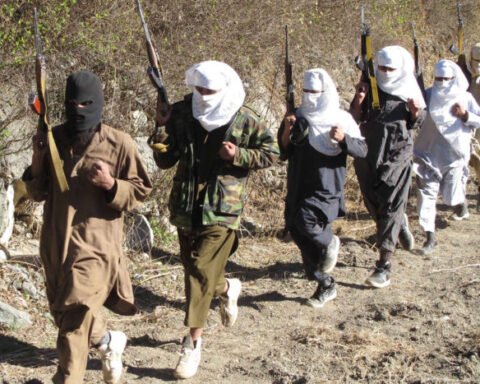
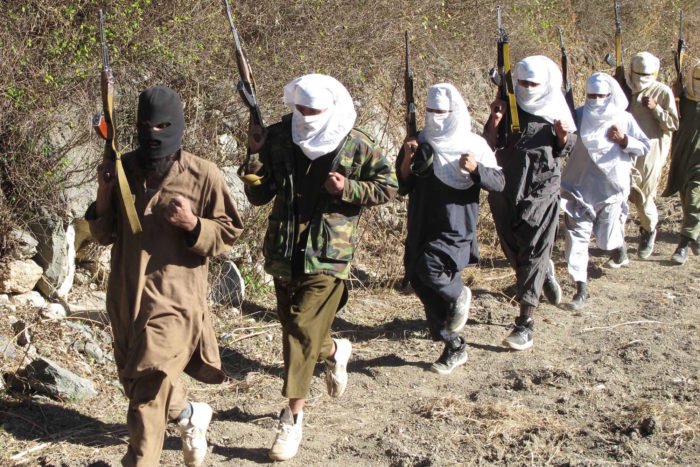

Balochistan is trapped in a cycle where every burst of violence is followed by a storm of narratives. One side tells people that terror is resistance, the other side answers mainly with force and slogans. In the middle sits the ordinary citizen, worried about safety, jobs, dignity, and whether anyone is listening. The recent wave of coordinated attacks across multiple districts, including incidents that hit civilian spaces, shows how quickly an armed campaign can turn daily life into a hostage situation. In one widely reported episode, security forces used helicopters and drones as they moved to regain control in a remote standoff, with dozens of civilians and security personnel reported dead in the broader violence.
When violence becomes the headline, it also becomes the cover. Hard questions about governance, rights, and service delivery get pushed aside by emergency language. That is convenient for militants who want to replace politics with fear. It can also be convenient for officials who would rather not face accountability for long-standing failures. The result is a public debate that is loud but shallow. It is loud about loyalty and betrayal, but too quiet about schools, hospitals, courts, policing, and honest representation.
If Balochistan is to move forward, it needs a debate that refuses this trap, one that can condemn terrorism without denying real grievances, and one that can talk about development without turning every project into a conspiracy story
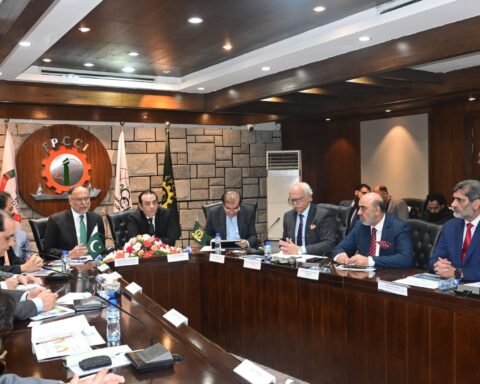
Take Reko Diq. It has become a symbol in competing narratives, either proof of exploitation or proof of opportunity. The reality is more practical and more demanding. The project is structured as a partnership in which the Government of Balochistan holds 25 percent ownership, including a 10 percent free carried interest, with the rest involving other Pakistani stakeholders and Barrick. This ownership share does not magically guarantee justice, but it does create leverage. It gives the province a legal seat at the table and a financial stake that can be used to push for transparent revenue reporting, strict local hiring targets, training pipelines, and enforceable community benefits. If the province fails to use that leverage, the fault is not only with the idea of development, but also with how power is exercised at home.
That is why militants try to poison public trust around major projects. They do not need to win a debate on facts; they only need to make people feel that nothing lawful can work. Once that feeling spreads, violence begins to look like the only language left, and that is exactly the outcome armed groups want. They also want investors to hesitate, contractors to withdraw, and operations to slow.
A mine that cannot function, a port that cannot expand, and a highway that feels unsafe all produce the same result: fewer jobs, more frustration, and a larger pool of angry recruits. In other words, sabotage is not only about damaging a site, but it is also about damaging hope
The targeting of workers in Gwadar fits this pattern with brutal clarity. In the January attacks reported by Reuters, a migrant workers camp in Gwadar was attacked, and multiple civilians were killed. A worker is the easiest symbol of “development,” because he is visible and vulnerable. But attacking labourers does not punish a system; it punishes families, and it scares the very people militants claim to represent. It also weakens local bargaining power, because a frightened society cannot organize, negotiate, or demand policy change in a stable way. Fear shrinks civic space, and when civic space shrinks, only the gun speaks.
Then comes the question of external patronage. Pakistani officials have alleged that hostile foreign actors back some of this violence, while India has denied such claims. In an era of proxy conflicts, the general idea that outsiders exploit internal fractures is not far-fetched. But it is also risky to treat external sponsorship as the only explanation, because that can become an excuse to ignore domestic responsibilities.
A mature national approach should do both at once: investigate and disrupt any foreign links with credible evidence, and also repair the internal governance failures that create openings for recruitment and radicalization. If either side of this is missing, the cycle continues
The global reaction to the recent attacks underlines another point: whatever the cause, terrorism that targets civilians is not viewed as legitimate politics. The United Nations Security Council condemned the attacks and reiterated that terrorism is unjustifiable. That matters because militants often try to sell the idea that the world will eventually reward their violence with recognition. In practice, what usually follows is isolation for communities, tighter security measures, and a harder environment for peaceful activists who actually need space to organize and speak.
Inside Pakistan, the political signal is also clear. The National Assembly adopted a resolution calling for a strong national response against external sponsors and internal facilitators of terrorism. Resolutions are not solutions, but they set expectations. The expectation now should be that any crackdown is precise, lawful, and accountable, and that it is paired with real reforms. Otherwise, the state may win a battle and still lose public confidence.
People do not measure the state by press conferences; they measure it by whether their complaints are heard without humiliation, whether courts work, whether police treat them fairly, whether missing person cases are handled with seriousness, and whether corruption is punished even when it involves the powerful
This is where constitutional politics becomes the non-negotiable path. Peaceful protest, elections, legislation, litigation, journalism, and organized bargaining are slow, but they create durable change because they produce rules and institutions. Violence produces only escalation and backlash. It hardens attitudes, empowers the most extreme voices, and makes reconciliation harder. It also gives external actors, whoever they may be, an easy lever to keep the province unstable. The armed route is not only immoral when it hits civilians, but it is also strategically self-defeating for anyone who claims to care about long-term rights.
Balochistan does not need to choose between silence and chaos. It can choose a third path, loud, lawful politics, and strict accountability. That means the state must deliver tangible fairness in resource governance, publish clear revenue flows, enforce local hiring, fund skill development linked to real jobs, and create credible grievance mechanisms that do not require bloodshed to be taken seriously. It also means society should reject the romanticization of the gun, because no outside patron will rebuild a shattered home, and no armed group can create a stable province by turning its own people into targets.