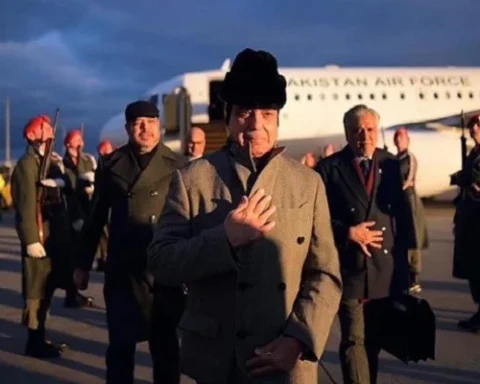
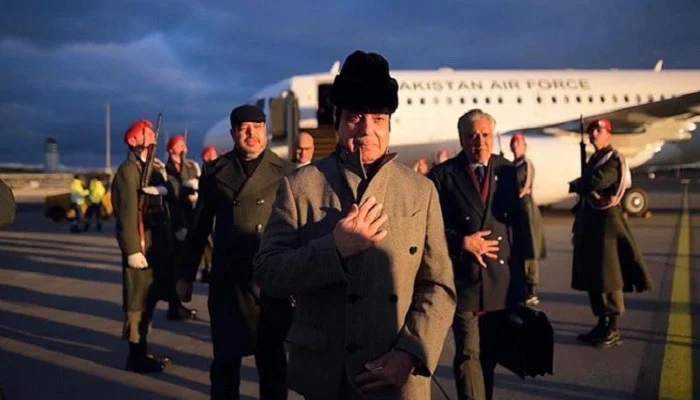

The meeting between the Director General of the International Atomic Energy Agency and Prime Minister Shehbaz Sharif at the agency’s headquarters in Vienna, Austria, beyond a mere courtesy visit. It served as a public indication of the characteristics that responsible nuclear policy should have in 2026: pragmatic, transparent, and focused on tangible consequences for people in their everyday lives. Pakistan’s reiterated commitment to the safe and peaceful use of nuclear technology is most significant when manifested in hospitals, laboratories, agricultural settings, and educational environments, rather than just articulated in conference declarations.
This summit demonstrated the robustness of a collective dedication to peaceful advancement and global growth, and that statement should not be seen as mere diplomatic rhetoric. In contemporary society, trust is a limited commodity. Nuclear technology embodies a duality of trust, including both potential and danger.
When a state and the international nuclear organization engage in transparent dialogue over safety and peaceful use, they are undertaking a significant endeavor: they are prioritizing regulations, verification, and accountability, rather of allowing a void to be filled by distrust
The most appealing aspect of the interaction was its emphasis on nuclear technology for healing, hope, and improved healthcare results. Nuclear issues in public discourse are often confined to a limited framework of security, deterrence, and competition. The frame is deficient. Nuclear medicine is one of the most direct methods by which peaceful technology enhances lives. It facilitates imaging that enables physicians to detect diseases at an earlier stage, and medicines that precisely target malignancy. It also relies on technologies that must operate reliably, radiation protection, quality control, skilled personnel, safe supply chains, and meticulous waste management. When leaders discuss collaboration in this domain, they are also referring to the establishment of trustworthy organizations.
The talks emphasized that teamwork founded on trust and purpose may enhance and safeguard lives. This is concrete. It manifests in the manner clinics manage radiation safety, how technicians calibrate apparatus, how regulators uphold standards, and how nations exchange data and exemplary practices. No state achieves perfection in this regard independently, particularly when financial constraints are present and health demands are rising. International collaboration provides smaller hospitals with access to training, mentorship, and peer evaluation that may avert errors prior to their occurrence. In nuclear operations, prevention is paramount.
It is essential to state unequivocally: safety is the fundamental currency of harmonious nuclear development. Each report of an incident globally sways public sentiment towards dread and detracts from scientific understanding. Engagement with the International Atomic Energy Agency encompasses not just obtaining technical assistance, but also demonstrating that processes are established, personnel are qualified, and supervision is reliable. Pakistan’s declared commitment to safety is significant when accompanied by ongoing education, regular audits, and adherence to international standards.
A meeting at headquarters cannot do everything independently, but it may strengthen the practice of doing so
This engagement represented a significant milestone attained via collaborative collaborations centered on mutual objectives and accountability, highlighting the capacity of peaceful technology to provide impactful and beneficial healthcare results globally. The term milestone should be attained rather than proclaimed; so, the subsequent stage is to align the meeting’s message with explicit priorities. Broaden access to cancer diagnosis and treatment, enhance radiation safety culture, refine cancer registries and referral channels, and engage in workforce development to mitigate reliance on a limited number of experts. If collaboration results in an increased number of educated medical physicists, improved maintenance of equipment, and more dependable access to radiopharmaceuticals, the public will promptly recognize the benefits.
The primary conclusion is that this interaction enhanced collaboration to broaden access to cancer care services and reiterated a profound commitment to safety in fostering a healthier future. Cancer does not defer to any nation’s political or financial deliberations. Patients need prompt diagnosis, accessible therapy, and secure management of all procedures. Nuclear medicine may expedite the transition from suspicion to certainty and from diagnosis to treatment.
However, this must be executed under stringent regulations. The Prime Minister’s interaction with the agency’s Director General is significant as it connects national objectives with international accountability
This conveys a more extensive lesson about Pakistan’s worldwide positioning. Peaceful technological diplomacy is a very credible method to demonstrate accountability while also fostering progress. It transitions the discourse from authority to individuals, and from catchphrases to services. If Pakistan persists in investing in safety, training, and health outcomes, and maintains its engagement with the global system that establishes standards and provides verification, it enhances trust far beyond the nuclear industry. Trust is contagious. It enhances opportunities for research collaborations, health initiatives, and disaster response cooperation.
A meeting in Vienna does not signify the conclusion. This is an assessment of perseverance. The optimal result would be a discernible progression starting with elevated commitment and culminating in enhanced clinic safety, expedited diagnoses, and an increased number of patients completing treatment. That is the practical implication of peaceful usage. Healing, hope, and improved healthcare outcomes are not just phrases. They serve as a benchmark for leaders, and after this involvement, individuals are entitled to anticipate outcomes.