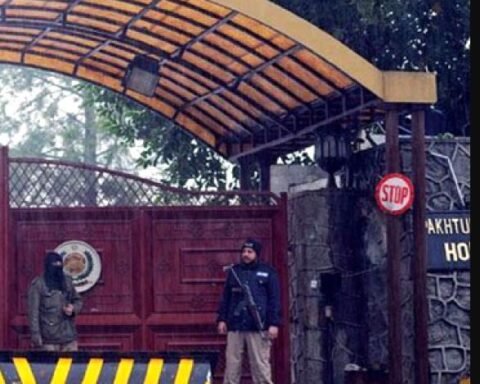
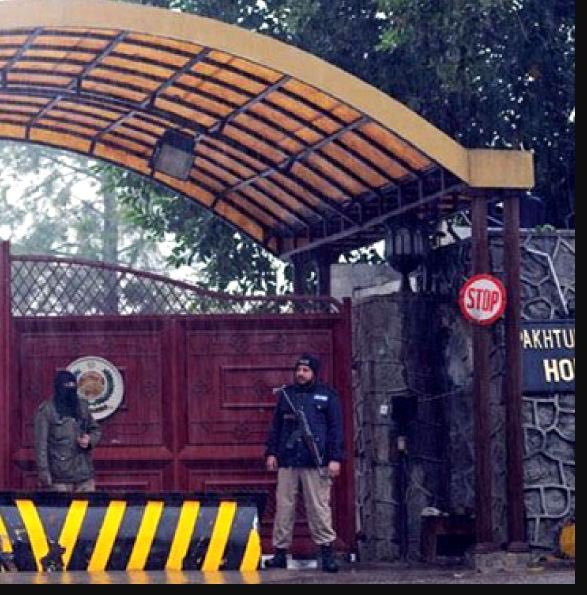

The meeting inside KPK House felt less like a war room and more like a mirror held up to PTI’s current condition. Everyone wants to talk about pressure from the state, and that pressure is real, but the harder truth is this: a party under stress can still act with discipline, or it can turn inward and start tripping over its own people. What came out of this discussion was a pattern of mixed signals, small ego battles, and a growing gap between what workers expect and what the leadership is delivering.
Start with the most sensitive issue, Imran Khan’s medical check-up. No serious party should allow this to become a stage for personal vetoes. The claim that nobody could attend because @Aleema_KhanPK refused the government’s offer, tied to the presence of doctors and senior PTI leaders, is not a small procedural quarrel. It is about control, optics, and trust. If the offer was flawed, it should have been countered with a clear alternative that protected Khan’s dignity and the party’s interests. If it were workable, then blocking it would harm more than it would help. When one person repeatedly disrupts the ability of other leaders to function, the damage does not stay limited to internal circles.
It travels to the street, to the workers, and to the wider public that is trying to judge who is acting responsibly. If this continues, Khan and PTI lose twice: first in public perception, and second in internal cohesion
Then there is the instruction for MPAs to go back and bring more people, but keep the protest within KPK. On paper, it sounds like a smart containment plan. In reality, it can read like fear of escalation or confusion about goals. If the party wants pressure, it needs mass and momentum, not just numbers. Sending MPAs back without a clear message, clear targets, and clear discipline creates noise, not force. People will show up if they believe the leadership knows what it is doing. They will stay home if they think it is another round of rushed calls followed by silence, arrests, or sudden reversals.
The complaint about Achakzai and Raja Nasir Nasir locking themselves inside parliament when leadership was needed outside is another example of misreading the moment. Parliamentary tactics matter, but they do not replace political work on the ground. If the plan is to mobilize, leaders must be visible where the people are, not stuck in symbolic corners that look brave but achieve little. A party cannot outsource street energy to workers while senior figures seek cover in buildings and procedure. That creates resentment, and resentment is already building.
The Iqbal Afridi episode is even more worrying because it speaks to obedience and morale. If he was told to control abusive language and avoid provocative actions, that instruction is correct. But if his response is to withdraw to Parliamentary Lodges, it looks like passive resistance. PTI cannot afford leaders who interpret discipline as an excuse to disengage. Discipline is supposed to sharpen action, not freeze it.
If someone does not want to protest or follow party instructions, the party must address it openly, because quiet refusals spread faster than open disagreements. Workers notice who shows up and who hides
The strongest line in the meeting was about workers losing confidence due to loud and demeaning trolls sitting outside, while the public suffers because of road closures. This is not a side issue; it is the core issue. PTI’s online culture has often been treated as a weapon, but weapons without control hit your own side, too. When party-aligned voices bully internal figures, they weaken the chain of command. When protests shut roads without a clear purpose, they turn ordinary people against the cause. Sympathy is not guaranteed; it is earned. PTI needs to rethink its strategy so that pressure is targeted and disciplined, and public inconvenience is minimized. Protest should make the rulers uncomfortable, not make daily life impossible for citizens who might otherwise support you.
That is why the point about @BarristerGohar matters. If he is the party’s face in negotiations and decision-making, then he must be allowed to decide. A party that runs on vetoes, whispered approvals, and personal gatekeeping is not a party; it is a court. Courts collapse when the ruler is absent or under pressure. PTI needs an operational center that can act, explain, correct mistakes, and move on.
Independent decisions do not mean disloyalty. They mean accountability, which the party currently lacks in practice
The warning about uncontrolled trolls turning @SohailAfridiISF into @AliAminKhanPTI 2.0 is blunt, but it captures a real risk. When aggressive loyalists are rewarded for volume rather than judgment, they grow into centers of power. They start dictating tone, picking enemies, humiliating allies, and forcing leadership to follow the loudest voices. That eventually produces another round of chaos, and then the party acts surprised. If PTI wants to avoid repeating that cycle, it must set rules and enforce them. Not statements, not vague calls for unity, but real consequences for those who spread abuse and internal hate.
Finally, the fake news about Khan’s health, including the claim that he has permanently lost his eyesight, is not just immoral; it is political warfare. If a CM KPK repeated or amplified such claims, then PTI should respond through legal channels and public documentation. File cases, demand evidence, and force retractions. But also do the basic work of communication: provide verified updates that respect privacy while stopping rumors from filling the vacuum. Silence creates space for lies, and lies create panic, anger, and confusion.
What I took from this meeting is that PTI is still running on emotion while its opponents are running on systems. Emotion can bring people out once. Systems keep them there. The party needs a reset that puts discipline above ego, clarity above slogans, and public empathy above performative anger. If PTI can control its own house, it can fight the state with purpose. If it cannot, then it will keep bleeding support, one avoidable mistake at a time.