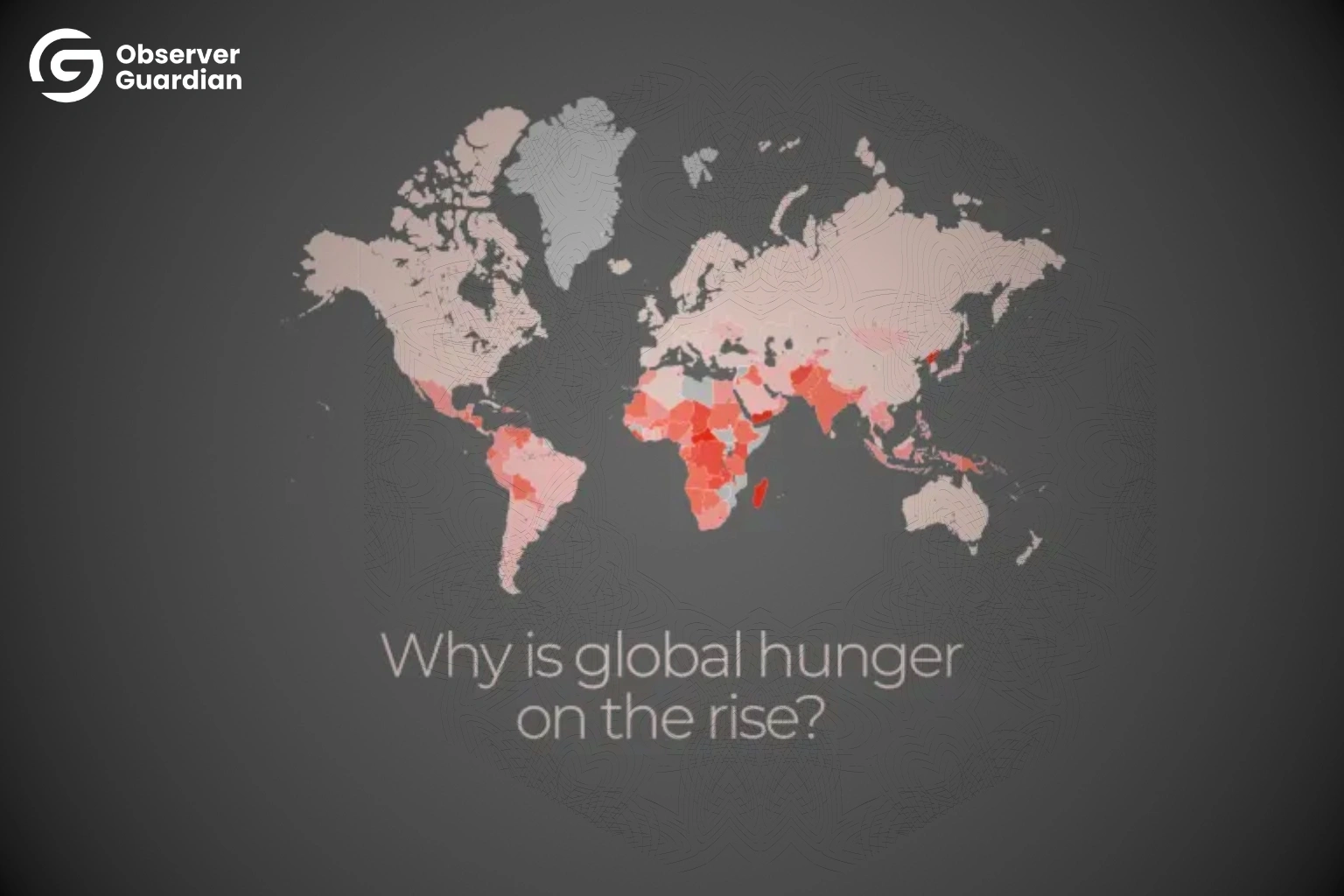

It seems that with AI, global trade, better farming tech, the human missed the point where millions still go to bed hungry. But here we are in 2025, and food insecurity is climbing again. The World Bank’s latest data says more families are struggling to afford basic food, not just in poor countries but in middle-income ones too.
The reasons are not hard to see. Conflicts keep flaring up, cutting off trade routes and pushing up prices. Climate disasters, floods, droughts, heat waves all are hitting harvests across continents. And inflation, still biting hard in many places, means even when food is available, a lot of people simply can’t pay for it. The world produces enough food, it just does not reach everyone who needs it.
How global problems hit home
When exports slowdown from places like Ukraine or Russia, the shock travels fast. Import-dependent countries like Egypt, Sri Lanka, Bangladesh and even Pakistan feel it almost overnight. Add fertilizer shortages, and next season’s crops are at risk too. Prices shoot up, and governments scramble to cushion the blow, but the poorest households always pay the price first.
In parts of Africa and South Asia, families are cutting down to one meal a day. Some switch to cheaper, less nutritious foods just to survive. That might sound like a temporary adjustment, but it creates lasting problems like malnutrition, stunted growth, weaker immune systems. Once that cycle starts, it is hard to break.
The situation in Pakistan
Pakistan’s been through this story before. The floods in 2022 devastated crops and livestock, and many farmers still have not recovered. Even when food’s available, poor transport and weak storage systems make distribution patchy.
Experts keep saying the same thing that Pakistan needs to focus on climate-resilient farming, better water management, and storage facilities that don’t let half the harvest rot. It’s not glamorous work, but it’s what builds long-term security. And the world needs to understand this about Pakistan.
It is not just about aid
People often frame hunger as a humanitarian issue, but it is also about politics and power. Who controls trade routes, who gets subsidies, and who makes the global rules all of that decides who eats and who doesn’t. Wealthy nations can ride out food crises with reserves and bailouts. Poorer ones don’t have that buffer.
The fixes are not new or mysterious. Fairer trade, smarter climate policy, stronger safety nets. What’s missing is follow-through. Food insecurity does not stay contained within borders. When people can’t eat, they move, they protest, they lose faith in systems that are supposed to protect them.
Hunger is not just about empty stomachs. It is about what kind of world we are building and right now, it feels like we are failing that basic test.