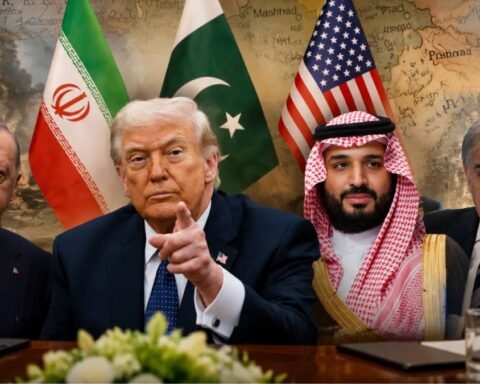
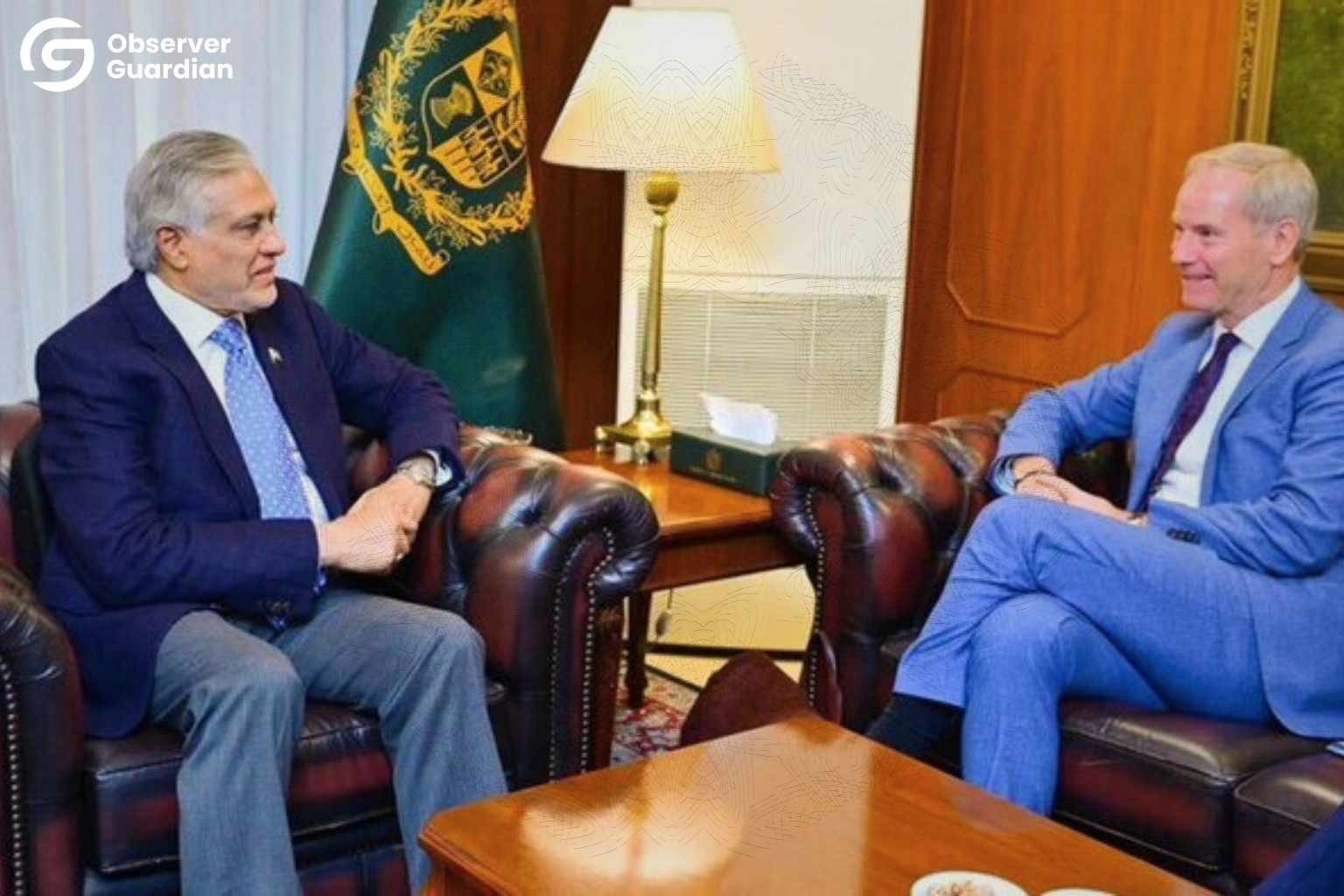

Another human rights event about Pakistan took place in Geneva this October. On the sidelines of the UN Human Rights Council’s 60th session, a few European groups and parliamentarians once again took aim at Pakistan’s GSP+ trade status. They pointed to a decade old EU white paper and a recently screened documentary as proof that Pakistan has not lived up to its obligations. If one has been following these debates, it feels like déjà vu. The names and talking points rarely change. These campaigns tend to appear around key UN or EU sessions, driven by the same small circles that treat Pakistan as a convenient example when they need headlines about human rights. Thus, the accusations are mostly recycled, drawn from the 2012 report that has been discredited for years for ignoring Pakistan’s progress and for applying different standards to different countries.
Real Progress That Often Gets Ignored
Pakistan is not perfect, and no one seriously claims it is. But pretending that it has not made huge legal and institutional progress is dishonest. Over the past decade, a series of important reforms have reshaped the country’s human rights framework.
The Protection of Journalists and Media Professionals Act (2021) finally gave legal backing to media safety and accountability. The Anti Rape Act (2021) brought in special courts and mandatory forensic procedures, major steps in a system that used to be weak for survivors. Besides, domestic violence laws passed between 2020 and 2022 criminalized abuse, set up protection mechanisms, and offered legal aid for victims.
Some more manifestations of these reforms include the following. The Transgender Persons Act (2018) recognized self-identified gender and outlawed discrimination. The Zainab Alert Act (2020) created a rapid response system for missing children. Also, the National Commission on Human Rights, an independent watchdog, continues to investigate violations and review legislation, often pushing the government harder than many expect. Thus, all of them are serious efforts. They are not propaganda or promises. So, the laws passed by parliament and institutions are slowly but steadily taking root.
The Politics Hiding Behind “Human Rights”
Meanwhile, Pakistan’s frustration is not about being criticized. It is about being singled out by people who clearly are not operating in good faith.
Human rights are supposed to be universal, but too often they are used as political weapons to pressurize certain governments while ignoring others.
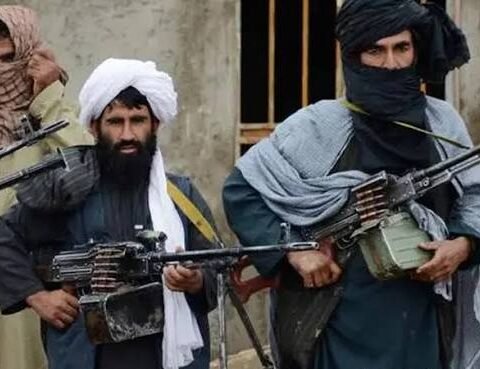
In Pakistan’s case, the pattern is obvious. Some dissident groups abroad with ties to banned outfits use Western platforms to push anti-state narratives. They frame their activism as rights advocacy, but it often overlaps with separatist or extremist agendas.
Figures like Mahrang Baloch are treated in the West as symbols of resistance, yet they rarely condemn the violence of groups like the Balochistan Liberation Army (BLA) or Balochistan Liberation Front (BLF), both responsible for deadly attacks on civilians.
Similarly, think tanks and media platforms like MEMRI or outlets such as The Diplomat keep producing storylines that feel more coordinated than organic. Between March and May 2025, The Diplomat published over 25 pieces on Baluchistan that mostly painted Pakistan as the villain, with few acknowledging the complex security context or the foreign hand behind separatist groups.
Selective Outrage and Western Blind Spots
Moreover, there is also a credibility problem on the other side. European and American politicians who point fingers at Pakistan seem remarkably quiet about issues in their own countries. Reports by Human Rights Watch, Amnesty International, and the United Nations have documented serious abuses in the West itself. They include Islamophobia, racial profiling, police violence, and rising hate crimes.
Meanwhile, there is India, a country that enjoys deep trade and diplomatic ties with the same European states. The United States Human Rights Report 2025 highlighted how the Indian government clamped down on civil society and journalists, blocked over 170 online accounts, and recorded more than a thousand custodial deaths in just eight months of 2024. Besides, Reporters Without Borders again ranked India as one of the most dangerous countries for journalists.
So, the silence around these violations is deafening. When Muslim neighborhoods are bulldozed in India or mobs call for genocide on live TV, there is barely a ripple in Western media. Yet Pakistan’s challenges, many of which are openly acknowledged and being addressed, are amplified as proof of “systemic abuse”.
Why It Matters
Additionally, this is not only about Pakistan’s trade status or its reputation abroad. It is about how the language of human rights is being hollowed out and used selectively.
When powerful countries and their allies treat rights as a political tool, they weaken the very norms they claim to defend.
Pakistan’s position is straightforward. It is that genuine engagement is welcome, and double standards are not allowed. Similarly, constructive criticism that helps improve policies is fair. But pressure campaigns designed to serve geopolitical interests, whether tied to India’s lobbying networks or broader Western agendas, do not help anyone.
A Call for Some Honesty
In a nutshell, Pakistan is not looking for sympathy, but what it wants is consistency. If the European Union or the United States want to make human rights a real measure of partnership, they should apply the same lens everywhere. They should look at India, look at the Middle East, and look at the West itself as cases in point. Hypocrisy is what makes the entire system lose legitimacy.
Despite all this noise, Pakistan has kept moving forward, passing reforms, building institutions, and trying to balance security with rights. Hence, the country’s message to the world is simple. The message is that it is open to dialogue, not to diktats. Also, human rights should be a shared goal, not a political weapon.
⚠ Disclaimer
The views and opinions expressed in this article are exclusively those of the author and do not reflect the official stance, policies, or perspectives of the Platform.