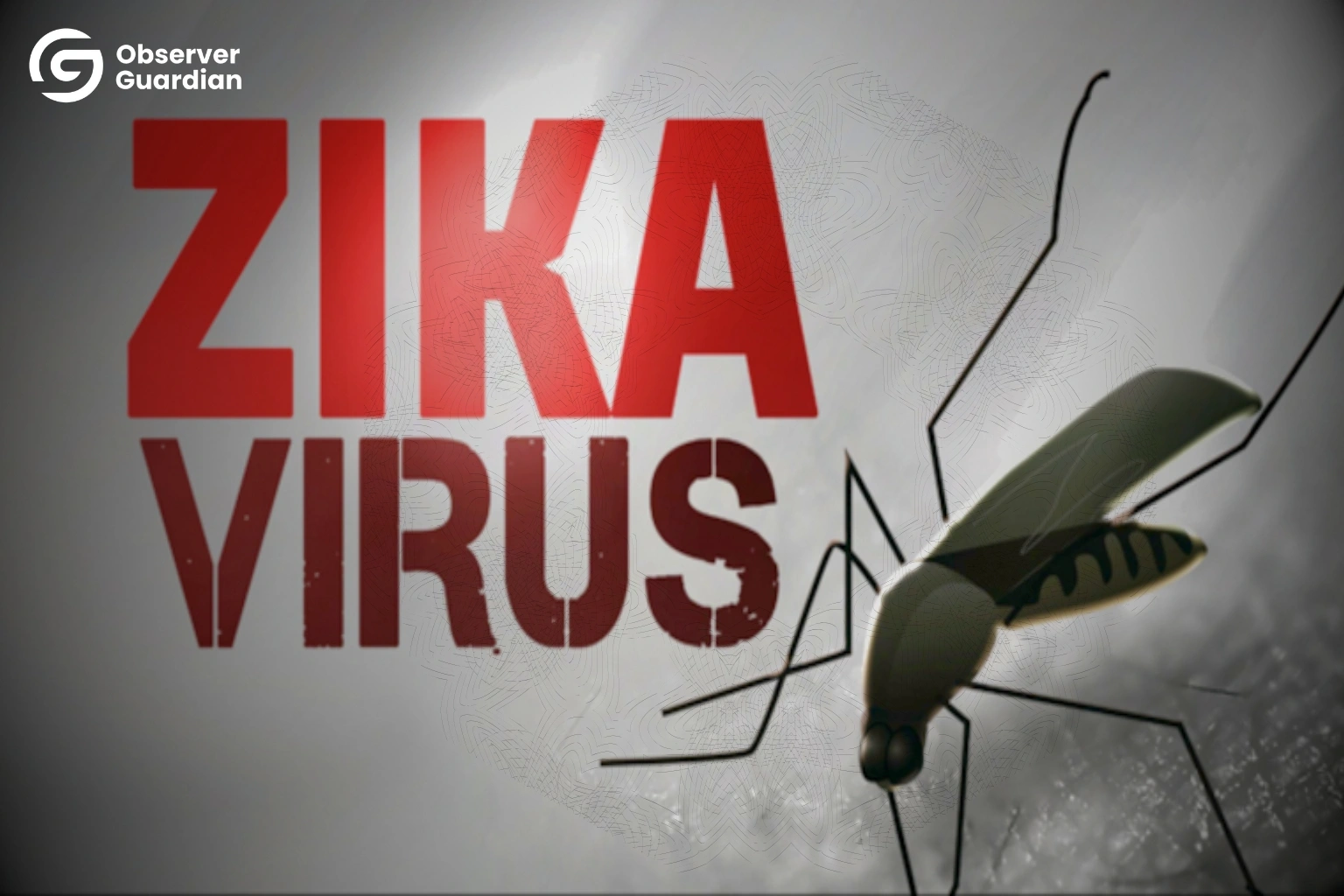

Just when it seemed like the world could finally catch its breath after COVID-19, the Zika virus quietly makes a comeback in several tropical regions. It’s not the headline-grabbing pandemic it once was, but health officials are worried and rightly so. The virus, spread by mosquitoes, has reappeared in parts of Latin America, Southeast Asia, and Africa, showing that old health threats never really go away, they just wait for us to get distracted.
Zika first surprised the world in the year 2015 when it was attributed to severe birth defects in infants. International hysteria gave rise to emergency investments, travel advisories and control of the mosquitoes. However, the number of cases dropped and soon the focus and resources shifted. Ten years on, the virus returned, and this time, a great number of countries have less preparedness.
It is not only Zika that is the problem. It is what the resurgence tells us regarding the way in which we manage the health of the people. When the world is burning, we move swiftly to put out the fire and having succeeded we forget that it may come roaring once more. The funding that is required by the public health systems to monitor and prevent outbreaks in most cases is not regular, particularly in developing nations. Labs shut down, surveillance initiatives lose personnel and mosquito control efforts are lost. Then the cycle starts again.
This should also be a wake-up call to developing countries. They are exposed to more than dengue because of their tropical climate, overpopulated cities, or lack of sanitation, as well as other viruses such as Zika. They cannot suppose that they are problems of other people. Investing into disease surveillance, clean water systems, and community health education is much less expensive, and much more humane, than another full-blown emergency in the future.
The resurgence of Zika is also a wake-up call to the reality that the world is a much smaller global village. Only one infected tourist is enough to trigger panic worldwide. Another layer is climate change, which increases the area of habitat of mosquitos. The distinction between local and global health is becoming extinct.
The rule is straightforward that diseases have no regard to news cycles and political priorities. It might be Zika, or dengue, or something that is yet to be named, but at least we will be ready to prevent it, even when the headlines have changed.