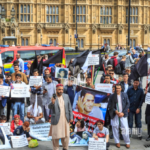

There is a line between seeking global attention for genuine human rights concerns and turning domestic political conflict into an international pressure campaign against one’s own country. In Pakistan’s case, that line matters more than ever. The recent effort linked to PTI circles to raise internal political disputes at global forums has triggered serious concern, not only because of the message being sent abroad, but because of the damage such messaging can cause at home. For many observers, the appeal in Geneva urging pressure around Pakistan’s GSP Plus status was not an act of democratic resistance. It looked like a dangerous step that risked tying partisan goals to national economic pain.
No serious country can afford a politics in which parties invite outside actors to squeeze the state to settle internal scores. Pakistan’s economy remains fragile. Its export access, investor confidence, and diplomatic standing are not abstract talking points. They affect factories, jobs, foreign exchange, and public confidence. When a political camp appears willing to encourage foreign pressure on trade concessions or financial channels, it creates the impression that power has become more important than stability.
That is a troubling message, especially in a country already burdened by inflation, weak growth, and institutional mistrust
The concern is not limited to one event in Geneva. Critics point to a broader pattern in which international institutions and foreign capitals are drawn into Pakistan’s internal political battles. Past attempts to involve bodies such as the IMF through letters, dossiers, and political lobbying fed the same perception. Even if supporters defend these moves as legitimate advocacy, the larger political meaning cannot be ignored. When a domestic party repeatedly frames internal disputes in ways that can invite economic or diplomatic pressure, it risks appearing less interested in reform and more interested in weakening the state to corner its rivals. That is not democratic maturity. That is escalation by other means.
Supporters of PTI often argue that when local institutions fail, international forums become necessary. That argument may sound appealing, but it carries big risks. Once a country’s internal conflict is packaged for foreign audiences, the issue rarely remains under local control. External actors pursue their own interests, not Pakistan’s. They may use a party’s grievances selectively, amplify them for leverage, or ignore the broader national cost.
In such a setting, the original political complaint becomes secondary. What remains is a weakened state image, a damaged policy environment, and a public made even more cynical about politics
This is where the Geneva episode becomes especially sensitive. Critics say the attempt to connect Pakistan’s internal tensions with trade pressure crossed from political messaging into economic brinkmanship. GSP Plus is not a symbolic label. It is tied to export competitiveness and to the livelihoods of ordinary Pakistanis who have nothing to do with elite political struggles. If a political strategy creates even the perception that national economic interests are negotiable in the pursuit of partisan gain, then that strategy deserves strong criticism. Opposition is a democratic right. Endangering national economic space is not.
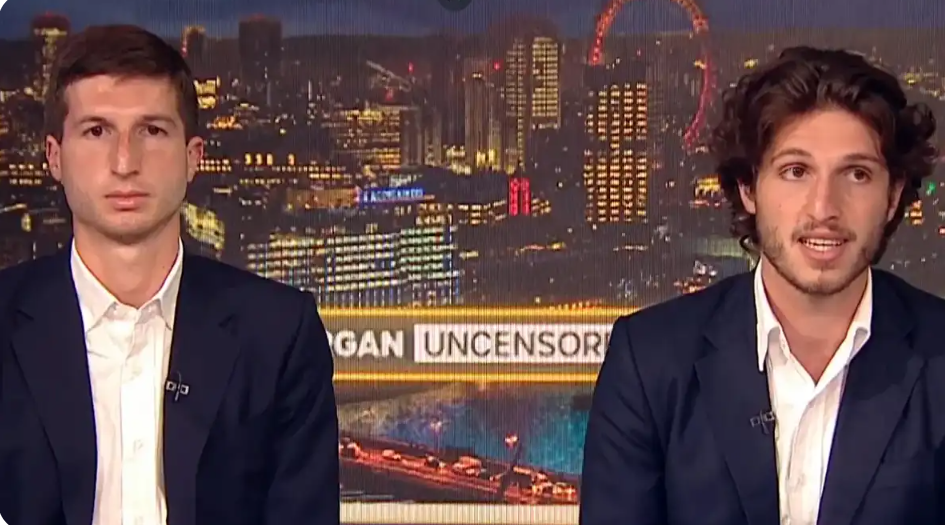
Equally troubling is the kind of narrative environment such events can create. When controversial figures appear around these forums, or when Pakistan’s critical voices with questionable motives are brought into the same orbit, doubts naturally grow about the true purpose of the exercise. Allegations have also circulated about contacts with hostile foreign-linked elements, including claims involving Indian and Israeli intelligence-associated networks. These are serious accusations and should not be treated as established fact without verifiable evidence. Still, the very emergence of such allegations shows how politically toxic and nationally damaging these internationalized campaigns can become.
At minimum, they create suspicion, deepen mistrust, and hand ammunition to every side in an already polarized landscape
That polarization is itself a major part of the problem. PTI did not invent division in Pakistan, but its politics have often sharpened it. Over recent years, the country has witnessed a steady hardening of public discourse, where opponents are not simply challenged but portrayed as traitors, puppets, or enemies. This style of politics may energize a base, but it weakens the civic center. It leaves little room for compromise, institutional repair, or democratic patience. When that same confrontational logic is exported to the international stage, the damage multiplies. Domestic bitterness becomes a foreign narrative, and foreign narratives can return home in harsher forms.
Pakistan needs opposition parties. It needs protest, criticism, and accountability. No democratic system can function without them. But it also needs political actors who understand the difference between confronting a government and undermining the country’s economic and diplomatic footing. There is a patriotic way to oppose. It involves mobilizing voters, arguing cases in courts, building coalitions, pressing institutions to act lawfully, and exposing injustice through facts.
What it does not involve is creating openings for foreign pressure that may hurt millions of citizens while advancing no durable democratic solution
The issue is bigger than PTI alone. It is about setting a standard for all political forces in Pakistan. Internal disputes must be fought with constitutional seriousness, not through strategies that risk national injury. A country already struggling with economic strain and social fragmentation cannot afford politics that treat international leverage as a shortcut to power. That path may deliver headlines, but it leaves behind mistrust, instability, and a weaker Pakistan. No party should be allowed to confuse its own political survival with the national interest. When that confusion becomes strategy, criticism is not only justified, it becomes necessary.