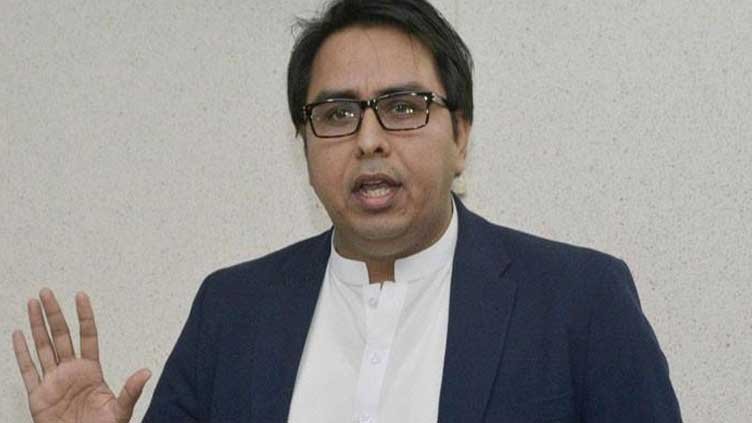

Public debate on Pakistan’s foreign policy should be rooted in accuracy, especially when it concerns sensitive diplomatic relations with the Gulf and neighboring states. In recent days, controversy has arisen over remarks by Shahbaz Gill regarding Pakistan, Iran, and the broader regional context. The matter is serious not only because it touches on diplomacy, but also because false or distorted claims can damage public understanding of how international relations actually work. When political commentary crosses from interpretation into misattribution, it stops being analysis and becomes disinformation. That is why it is necessary to separate rhetoric from record and to evaluate the claims on the basis of what was actually said.
At the center of this issue is the name of Vali Nasr, a widely respected scholar and public intellectual whose comments on regional politics are followed across the world. Shahbaz Gill reportedly attributed to him a statement suggesting that an Iranian delegation had refused to come to Pakistan for negotiations with the Americans because it was allegedly a trap to apprehend them. That is a grave claim. It implies not only a breakdown of trust, but also raises questions about Pakistan’s credibility as a diplomatic venue.
Yet the problem is straightforward: the statement attributed to Vali Nasr does not match what he actually said
In his remarks to Christiane Amanpour, Vali Nasr’s point was about Iranian distrust of Donald Trump because of the earlier withdrawal from the nuclear agreement. His argument was about the collapse of confidence after the abrogation of a previous understanding, not about Pakistan being used as a trap or a venue for arrest. That distinction matters. Diplomatic distrust toward a particular US administration is not the same thing as alleging that Pakistan was involved in some conspiracy. By collapsing these two separate ideas into one sensational claim, Shahbaz Gill appears to have distorted both the substance and the implications of Nasr’s remarks.
This is precisely why public figures have a higher responsibility when speaking on foreign affairs. Diplomatic relations are not campaign slogans. Pakistan’s standing with GCC states, Iran, and major international actors depends in part on whether its domestic discourse reflects maturity and seriousness. Loose accusations may energize partisan audiences, but they can also create confusion about Pakistan’s role in regional diplomacy. A state’s image is shaped not only by official statements but also by the tone and responsibility shown by those who claim to speak in the national interest.
Reckless commentary can therefore inflict reputational costs far beyond the day’s political noise
The most direct rebuttal to the narrative came when Iran’s foreign minister clarified the matter publicly through an X post. According to that clarification, Iran had no issue with coming to Pakistan. The real issue was that Tehran was not prepared to negotiate on proposals conveyed by the United States. This statement is significant because it removes the false dramatic framing that Gill and his supporters had tried to popularize. It confirms that the disagreement was about the substance of the proposals, not about the fear of entering Pakistan. In other words, the claim that Pakistan was seen as some kind of trap was not merely exaggerated; it was contradicted by the very side being spoken about.
That public clarification should have ended the controversy. Instead, it exposed a deeper problem in today’s political ecosystem: the speed with which misinformation spreads when it suits a partisan narrative. Many supporters who had celebrated the initial claim were left embarrassed when the official Iranian position came out. It was a reminder that online applause is not proof of truth. In an era dominated by clips, tweets, and monetized outrage, falsehood often travels faster than correction.
But foreign policy cannot be conducted on the basis of viral distortion. Pakistan deserves a more disciplined conversation than that
The broader concern is the culture of political communication that rewards sensationalism over verification. Too often, commentators and online personalities amplify half-truths, fabricated interpretations, or selectively edited talking points to attract attention. This is especially damaging when the subject is diplomacy, where nuance matters and one misleading claim can trigger unnecessary suspicion. The temptation to weaponize foreign policy for domestic point-scoring may be politically convenient, but it ultimately weakens the country’s institutional credibility. Serious statesmanship requires caution, sourcing, and respect for the record.
Pakistan’s relations with GCC states and regional partners are too important to be dragged into careless propaganda battles. These ties involve trade, labor, remittances, security cooperation, and strategic trust. They cannot be protected by shouting matches or false attributions. They are protected by consistency, credibility, and responsible public conduct.
Anyone who claims to care about Pakistan’s international standing should avoid spreading unverified stories that paint the country as unreliable or compromised without evidence
The lesson from this episode is simple. Facts matter. Misquoting respected analysts, inventing meanings they never expressed, and then turning those claims into political ammunition is not honest criticism. It is misinformation. Pakistan needs a political culture in which disagreement is sharp but truthful, and where foreign policy is discussed with sobriety rather than manipulation. Public trust, once eroded by repeated falsehoods, is not easily restored. That is why the correction in this case should not be treated as a minor embarrassment. It should be treated as a warning about the cost of irresponsible political discourse.