
Pakistan’s Peace Diplomacy Breaks the War Deadlock
When the region teetered on the brink, Islamabad chose dialogue and the world is taking notice
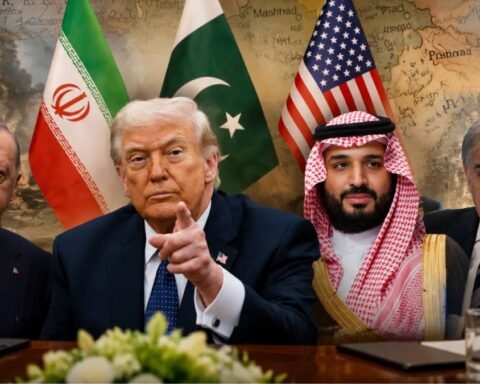
In the most dangerous weeks the Middle East has seen in a generation, as United States and Israeli airstrikes rocked Iranian soil and Tehran’s partners braced for a widening catastrophe, one nation quietly stepped forward to do what no other power dared: Pakistan raised its hand for peace. What has unfolded since February 28 2026 is being described as a defining foreign policy moment of Pakistan’s modern era, with Field Marshal Syed Asim Munir at its centre.
The facts, now confirmed by multiple international outlets, are difficult to ignore. United States Secretary of State Marco Rubio has publicly acknowledged Pakistan as a primary mediator in negotiations to end the 2026 Iran war. He stated that the highest levels of the United States government are in constant communication with Field Marshal Munir. This represents Washington formally crediting Islamabad with carrying a process that even the world’s most powerful government has struggled to manage alone.
There is a chance that within days there may be progress toward an agreement, according to Marco Rubio.
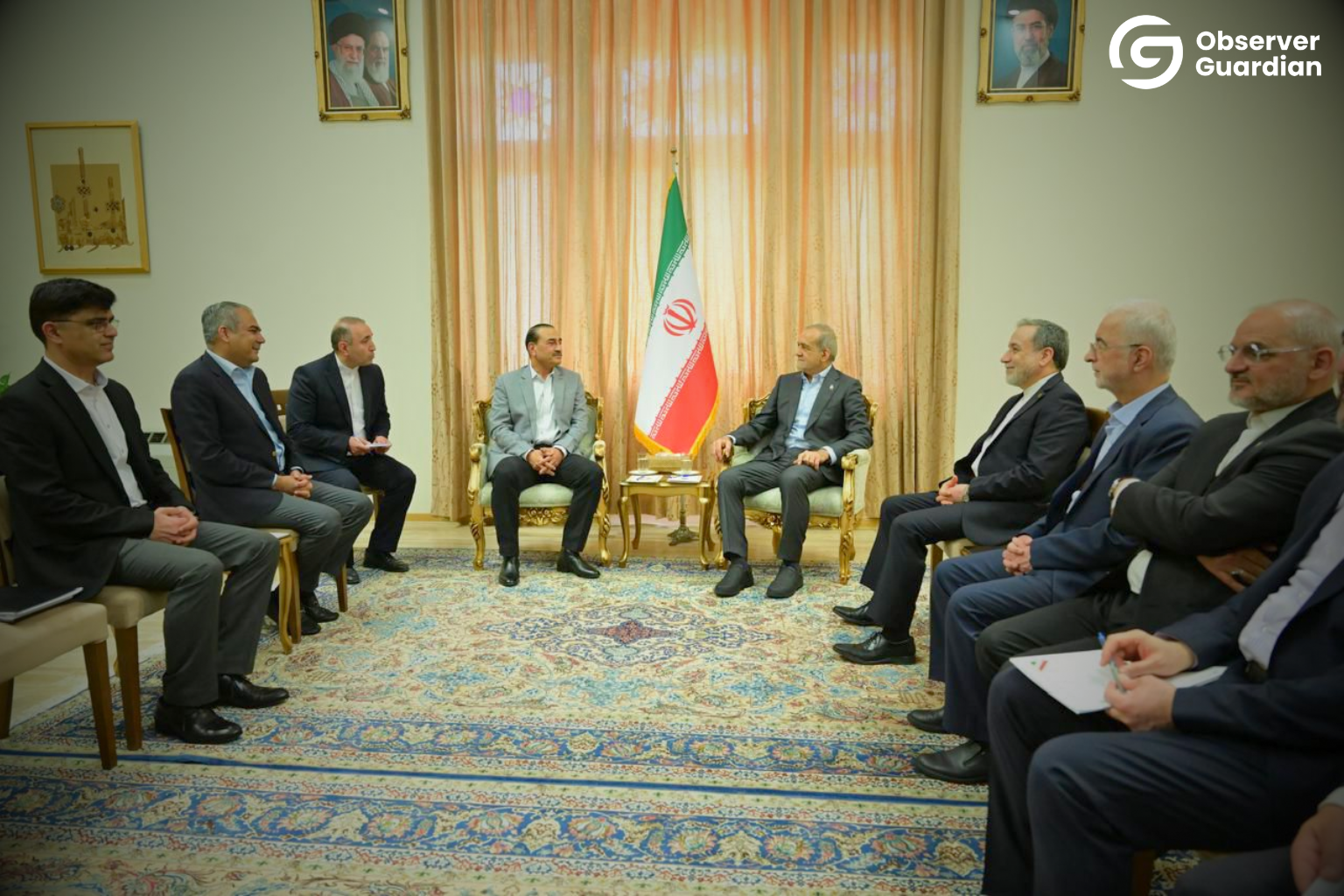
Field Marshal Munir’s second visit to Tehran on May 22 came at a moment of extreme fragility in the ceasefire. During the visit he engaged directly with Iranian Foreign Minister Abbas Araghchi and met with President Masoud Pezeshkian. These were not ceremonial meetings but serious diplomatic engagements aimed at preventing escalation and building trust. Iran’s Foreign Ministry has confirmed that Tehran is in the final stages of drafting a framework for a deal, with a timeline of thirty to sixty days for a possible final agreement. That window exists in large part because diplomatic channels remained open.
Rewinding to early April, Pakistan hosted the Islamabad Talks on April 11 and April 12, a historic engagement that brought the United States and Iran to the same table under Pakistani mediation. Pakistan had already proposed a structured ceasefire framework that shaped the architecture of the April ceasefire involving senior United States officials and Iranian leadership. When tensions threatened to break the truce, Pakistan played a key role in sustaining dialogue and preventing collapse.
This diplomatic posture reflects a rare approach in geopolitics, described as principled neutrality in support of regional stability. Pakistan expressed solidarity with Gulf partners, ruled out military participation against Iran, and maintained open communication channels with Tehran while engaging multiple global powers. Pakistan also worked with China on a joint initiative calling for an immediate ceasefire and restoration of maritime traffic through the Strait of Hormuz. This approach has been widely noted as sophisticated statecraft that balances multiple regional interests while prioritizing peace.
Pakistan focused on opening a path toward dialogue at a moment when the risk of regional war was extremely high.
Prime Minister Shehbaz Sharif and Foreign Minister Ishaq Dar also played important supporting roles, ensuring Pakistan’s diplomatic engagement extended across all levels of government. This was a coordinated national effort sustained even under intense international pressure. Pakistan’s Foreign Office maintained its commitment to continue diplomatic engagement despite serious obstacles and rising tensions.
There is a broader lesson emerging for Pakistan’s international standing. Major capitals including Washington, Tehran, Doha, Riyadh, and Beijing are increasingly engaging with Pakistan as a central channel for communication. The ceasefire has held, talks continue, and a framework is under development. Pakistan’s role in these developments has placed it at the centre of one of the most sensitive diplomatic processes in recent history.
History will record that in the spring of 2026, when the world feared a catastrophic regional war, Pakistan chose a different path. Not silence. Not escalation. Not opportunism. Pakistan chose dialogue over devastation, diplomacy over destruction, and peace over conflict. Field Marshal Asim Munir worked to translate that choice into action. Pakistan is positioned as a significant actor in shaping the future stability of the region.
Disclaimer: The views and opinions expressed in this article are exclusively those of the author and do not reflect the official stance, policies, or perspectives of the Platform.