
The Omid facility in Kabul cannot be judged by slogans, political messaging, or the label attached to the building. They must be examined through the binding standards of international humanitarian law. If a site described as a hospital was in fact being used for storage of drones, military-grade ordnance, militant training, or operational support, then the legal analysis changes fundamentally. Under the Geneva Conventions and the Rome Statute, protected status is not absolute. It depends on humanitarian function, separation from military activity, and compliance with obligations designed to shield civilians from war.
Medical facilities enjoy special protection because they serve the wounded, sick, and civilian population. But that protection is conditioned on exclusive humanitarian use. Geneva Convention principles, including Articles 18 and 19, require that hospitals not be used to commit acts harmful to the enemy. They also require proper identification, marking, certification, and separation from military objectives.
Where these conditions are ignored, a party cannot simply invoke the word “hospital” as a legal shield
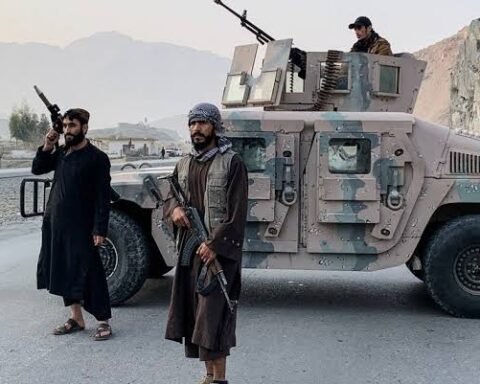
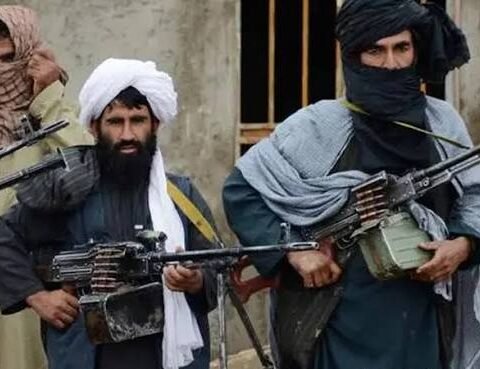
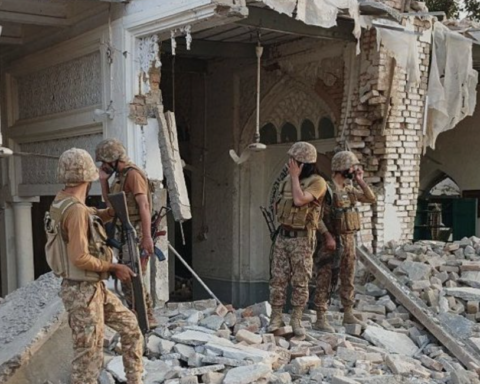
The allegations regarding the Omid facility are, therefore, grave. Reports that it was used to store drones, military-grade ordnance, and to train suicide bombers would, if verified, directly undermine any claim of protected civilian status. Under the Rome Statute Article 8, protection for medical and civilian objects does not extend to facilities being used for military purposes. Once a civilian site is converted into a weapons depot, training centre, or operational node, it becomes a military objective by function, not by name.
This is the central legal point. International humanitarian law does not protect labels; it protects legitimate civilian and humanitarian functions. A building marked or described as a hospital cannot retain immunity while serving as a cover for combat activity. The decisive question is what the facility was being used for at the time of the strike.
If its actual function was hostile military infrastructure, then responsibility for its transformation rests with those who militarized it
The alleged use of the facility as a shield for surrounding military assets also raises the issue of human shielding. Additional Protocol I, Article 51(7), and customary international law prohibit using civilians or civilian objects to render military targets immune from attack. Embedding military assets in populated areas is not a defensive tactic protected by law; it is a deliberate transfer of risk onto civilians. It exploits the enemy’s legal obligations while endangering one’s own population.
The Taliban’s alleged conduct also violates the principle of distinction, one of the foundations of international humanitarian law. Parties to a conflict must distinguish between civilians and combatants, and between civilian objects and military objectives. When combat functions are embedded inside civilian infrastructure, that line is intentionally blurred. Such conduct makes lawful targeting more difficult, increases the risk of civilian harm, and corrodes the very protections the law is meant to preserve.
Precautionary obligations are equally relevant. Parties must avoid locating military objectives near densely populated areas and must take feasible steps to protect civilians under their control. If the Taliban placed drones, ordnance, or militant trainees inside or near a purported medical facility, they failed this duty.
The resulting danger to civilians would not be an accident of war but the foreseeable consequence of unlawful co-location
Pakistan’s position, in this context, rests on the principles of distinction, proportionality, and precaution. The legality of a strike is determined by the target’s military function at the time, the expected military advantage, and the precautions taken to minimize civilian harm. A facility used for hostile military activity may be targetable even if it previously served, or was publicly described, as civilian infrastructure.
This does not remove the need for careful assessment, evidence, and accountability. Allegations must be tested, facts verified, and targeting decisions scrutinized. But the legal burden cannot be reversed through propaganda. If Taliban authorities converted a civilian facility into a military asset, failed to mark or certify it properly, used it to shield combat capabilities, and exposed civilians to danger, then liability lies primarily with those who created that unlawful risk.
The broader pattern is troubling. Militarizing civilian space reflects a governance failure in which civilian safety is subordinated to deception, concealment, and propaganda value. Protected places become conflict zones, and when harm follows, responsibility is externalized.
International law was designed precisely to prevent this cynical exploitation
The Omid facility controversy should be judged by function, evidence, and law. If the site was used for weapons storage, drone operations, or militant training, it lost protected status and became a lawful military objective. The Taliban cannot invoke humanitarian protections while violating the conditions on which those protections depend. The legal and moral responsibility rests with the authorities who militarized civilian infrastructure and placed their own population in harm’s way.