
Pakistan is not just any state. It is an Islamic republic founded on the belief that sovereignty belongs to Almighty Allah and that political authority is a sacred trust, not a weapon for private groups. Its Constitution declares Islam as the state religion and requires that no law shall be made against the Quran and Sunnah. This foundation matters because it exposes the falsehood of those militants who claim that attacking Pakistan is “jihad.” When a state’s legal and moral order is rooted in Islam, violence against its people, institutions, mosques, schools, and security forces cannot be dressed up as religious struggle. It is rebellion, chaos, and terrorism.
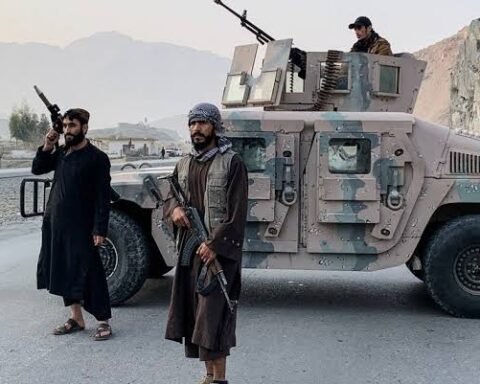
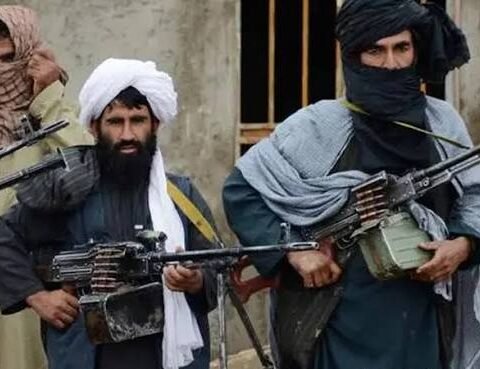
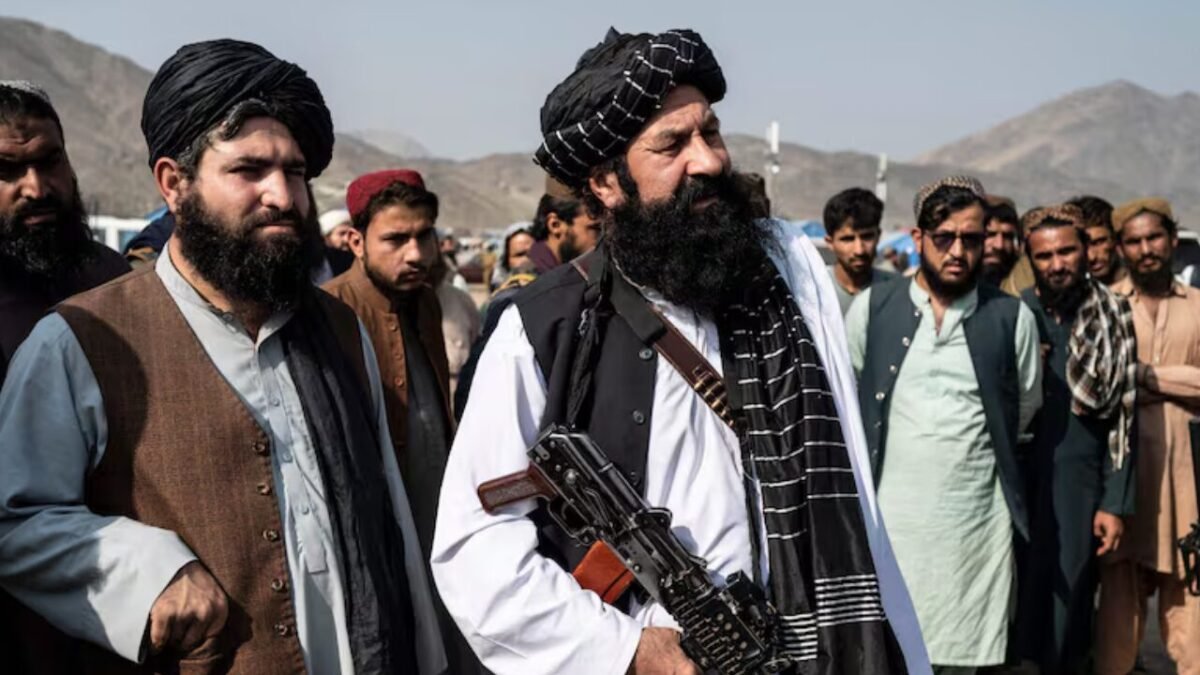
The Khawarij mindset has always been marked by arrogance, extremism, and a dangerous habit of declaring other Muslims outside Islam. Today, groups such as FAK follow the same pattern. They misuse religious language, quote selectively, and manipulate Islamic teachings to justify murder and disorder. Their aim is not the protection of Islam but the pursuit of power, fear, and political control.
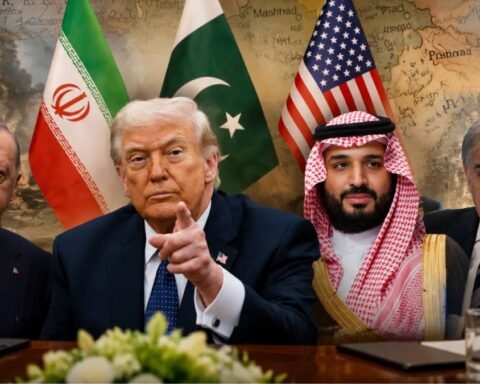
Often, such groups also serve the interests of hostile foreign elements that want Pakistan weakened from within. This makes their campaign both a religious betrayal and a national threat
The Quran gives a clear principle of social and political order: “Obey Allah, obey the Messenger, and those in authority among you” (Quran 4:59). This verse establishes that lawful authority must be respected. Islam does not permit every angry group, armed faction, or self-appointed commander to declare war on society. When such groups raise weapons against an Islamic state, they are not defending religion; they are challenging lawful order. In Islamic law, this conduct falls under rebellion and fasad, not jihad.
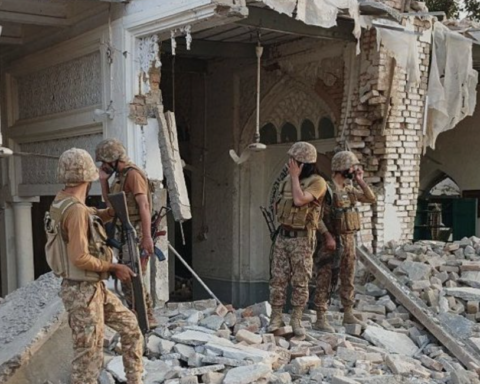
Islam places extraordinary value on human life. The Quran says that killing one innocent person is like killing all mankind (Quran 5:32). Yet terrorists murder civilians, attack worshippers, bomb schools, target markets, and spread fear among ordinary families. No slogan can turn these crimes into worship. The Prophet Muhammad (peace be upon him) forbade the killing of women, children, and non-combatants. Terrorists violate these limits openly.
Their actions are not acts of faith and they are acts of corruption on earth
The Hadith literature also warns strongly against the Khawarij and people who recite the Quran but fail to understand its spirit, who appear religious outwardly but spread destruction through extremism. These narrations are not a license for mob violence or personal revenge; they are a warning about a deviant mindset that tears Muslim society apart. The lesson is clear: Islam rejects those who weaponize religion while violating its mercy, justice, and discipline.
The Paigham-e-Pakistan declaration, endorsed by more than 1,800 scholars from different schools of thought, confirms this position. It declares terrorism, suicide attacks, and armed rebellion against Pakistan haram. This consensus is important because it closes the door on extremist propaganda.
The rejection of terrorism is not a state narrative alone, and it is a religious verdict supported by Pakistan’s ulema across sectarian lines
Jihad in Islam has strict rules, moral limits, and lawful authority. It is not an emotional slogan and not a private project. Individuals and militant groups cannot declare jihad on their own. Any violence outside legitimate state authority becomes terrorism, especially when it targets innocents and spreads fear. FAK and similar groups have no Islamic legitimacy. Their ideology is a distortion, their method is criminal, and their result is destruction.
Pakistan’s Constitution and Islamic teachings deliver the same message, and terrorism is un-Islamic, rebellion is forbidden, and the killing of innocents is a grave sin. Protecting Pakistan, defending its people, and rejecting Khawarij-style extremism is not only a national responsibility, but it is a religious duty. True service to Islam lies in justice, peace, discipline, and the protection of human life, not in bloodshed disguised as faith.