
The UN warning that nuclear terrorism risk has “never been so high” should be treated as a strategic alarm, not another routine counter-terrorism statement. Mauro Miedico, Director of the UN Counter-Terrorism Centre, linked the danger to terrorist access to drones, AI specialists, technical expertise and radiological materials. The same warning becomes more disturbing when placed beside the reported theft of 133 uranium dioxide tablets in Tajikistan in 2021, which the UN connected to possible trafficking inside Tajikistan or Afghanistan. A “dirty bomb” no longer requires a state-level missile programme; in the wrong hands, a drone, radioactive material and competent engineering could produce panic, contamination and political shock far beyond the physical blast zone.
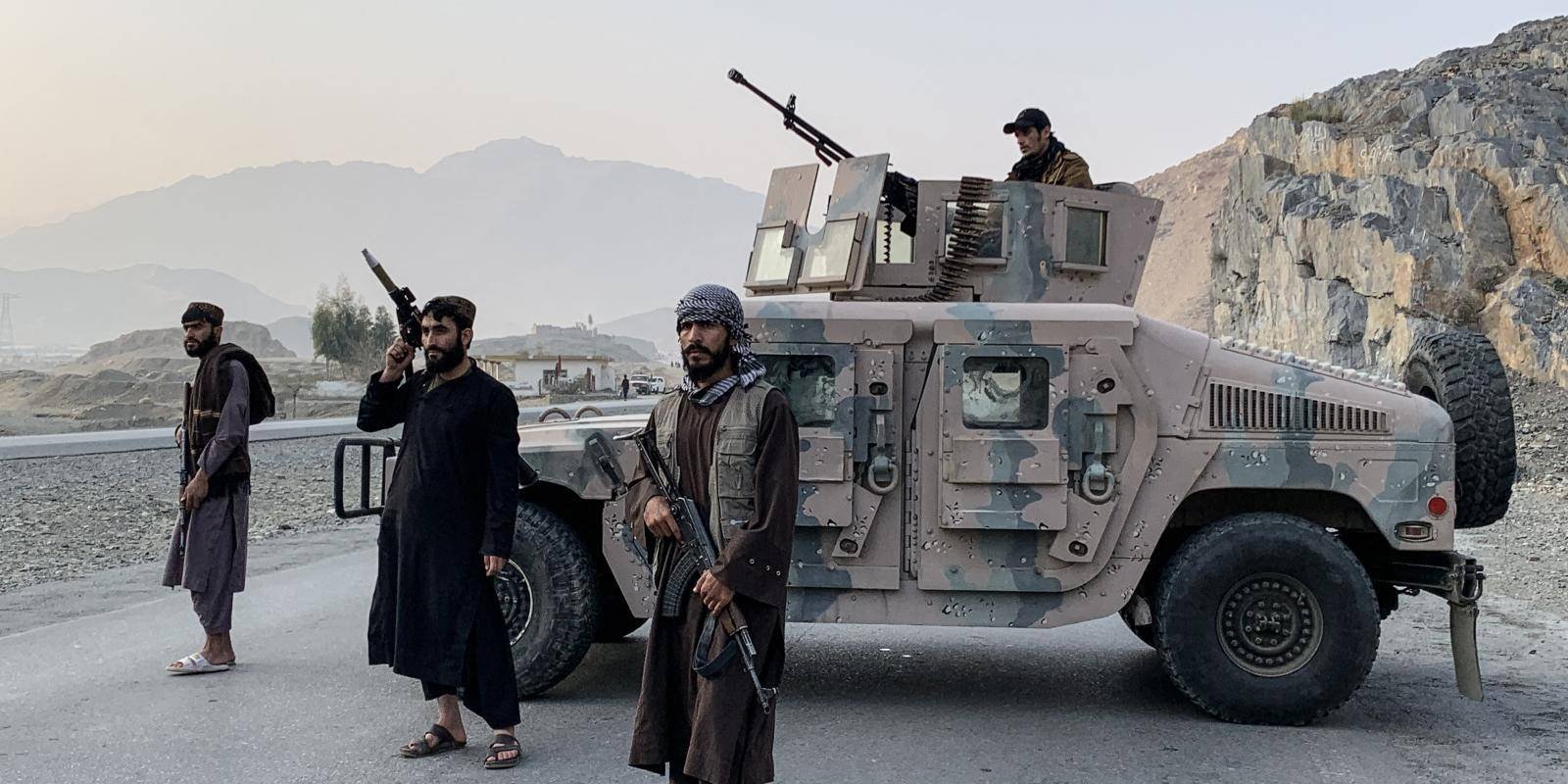
Afghanistan under Taliban rule has become the central unresolved variable in this threat environment. Successive UN Security Council Monitoring Team reports continue to track the presence and activities of Al-Qaida, ISIL/Da’esh affiliates and other extremist networks. The latest Afghanistan-focused monitoring report, S/2025/796, covers Al-Qaida, ISIL-K, other terrorist groups, Taliban finances and the broader security situation. Reporting on that assessment says Taliban claims that Afghan soil is free of terrorist groups are “not credible,” with more than 20 terrorist organizations active, including TTP, Al-Qaida, ISIL-K and ETIM/TIP. ISIL-K alone has been assessed at around 2,000 fighters in Afghanistan, while retaining intent and capability for attacks beyond Afghanistan’s borders. UNICRI has also warned that Al-Qaida enjoys greater freedom in Afghanistan under Taliban rule.
The Taliban rejects many of these claims, but denial is not a security policy
The danger is not that terrorists suddenly possess nuclear weapons. The more realistic danger is radiological terrorism: theft, smuggling, sabotage or dispersal of radioactive material to create mass fear and disruption. The IAEA’s Incident and Trafficking Database tracks incidents involving illicit trafficking and unauthorized activities involving nuclear and radioactive material outside regulatory control. In 2024, 147 such incidents were reported to the database, including three likely linked to trafficking or malicious use. The IAEA has also noted that about 65 percent of thefts reported over the past decade occurred during authorized transport, which makes border security and transport protection central to prevention. Legal frameworks matter too: the International Convention for the Suppression of Acts of Nuclear Terrorism remains a key tool against nuclear terrorism. States must criminalize unauthorized acquisition, possession, use, transfer or transport of radioactive material.
The Afghanistan problem cannot be contained by geography. Pakistan’s military reported 5,397 militant attacks in 2025, up from 3,014 in 2024, while accusing Afghan-based networks of involvement in cross-border terrorism. Russia’s Foreign Ministry has separately estimated that 20,000 to 23,000 fighters from various international terrorist groups are present in Afghanistan. Meanwhile, Russia’s recent move toward full partnership with the Taliban shows how geopolitical normalization can proceed even while terrorist safe-haven concerns remain unresolved. That contradiction is dangerous.
If global powers normalize the Taliban without demanding verifiable counter-terrorism compliance, they risk rewarding control without accountability
The urgent task is not panic; it is prevention. The IAEA notes that unsecured nuclear and radioactive material remains available and that border controls are not uniformly implemented at all international crossing points. Reporting lost or stolen material increases chances of recovery and reduces opportunities for criminal use. UNICRI’s recommendations on Afghanistan point in the same direction: stronger border security, intelligence cooperation, counter-terrorism coordination and action against smuggling networks. The world should stop treating Afghanistan as a humanitarian file alone. It is now also a nuclear-security-adjacent counter-terrorism challenge. Taliban-controlled territory hosting transnational extremists, porous borders, illicit trafficking routes, drones and AI-enabled expertise is not a future threat. It is a present warning. Ignoring it would be reckless; acting late would be unforgivable.