

The move by the state to put some of the Baloch Yakjehti Committee (BYC) active participants on the Fourth Schedule of Pakistan is not arbitrary and political. It is a constitutional anti-terrorism action that is based on effective intelligence. The Fourth Schedule of the Anti-Terrorism Act addresses those individuals who are proven to have connections with outfits that are proscribed.
In this case, the evidence points to BYC’s strong connections with the Baloch Liberation Army (BLA) and the Baloch Liberation Front (BLF).
Moreover, both groups are notorious terrorist organizations responsible for decades of violence in Balochistan.
Fighting Terrorism with a Cloak of Activism
BYC has been promoted as a movement of human rights, tapping into emotional appeal. It is basically a group of missing people and supposed state oppression. However, research shows that in the backdrop of rhetoric, is a well-organized network that backs and justifies the violent agenda of the BLA and BLF. The social media campaigns and protests by the organization have always been consistent with the stories of India. It is also propagated by India-funded propaganda cells and other aggressive intelligence operations in a concerted effort, which is what security analysts call Fitna-ul-Hindustan.
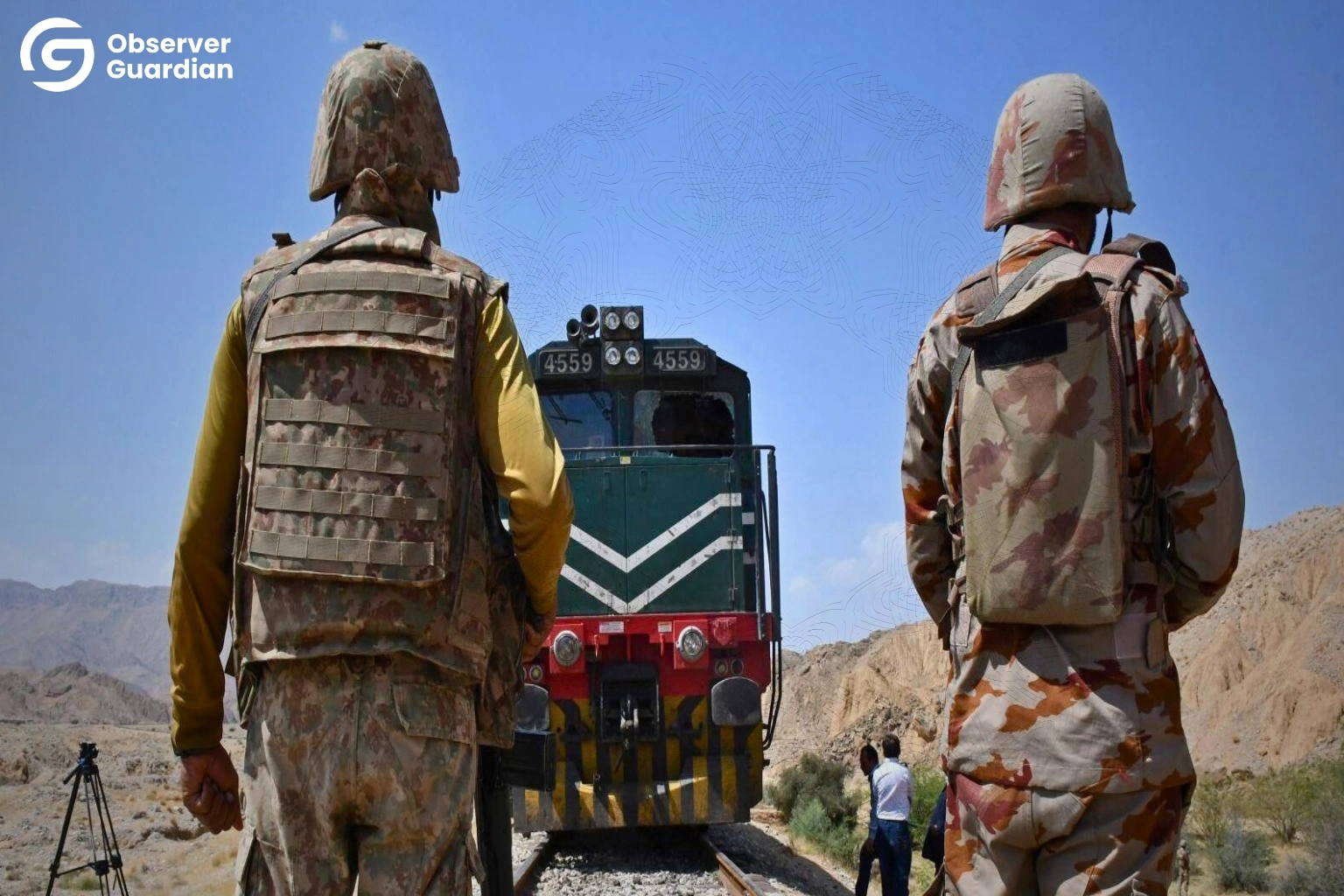
Moreover, such leaders as Dr. Sabhia, Dr. Shalee, Gulzadi, Mahrang Baloch, and Sammi Deen have been observed to have personal and operational connections with known militants. They not only advocate and promote extremist narratives but also act as channels for recruitment, fundraising, and information dissemination for banned groups. Furthermore, evidence gathered during security operations and testimonies from reconciled militants reinforce these findings. Intelligence intercepts also clearly reveal the connection between BYC’s leadership and terrorist networks.
The Legacy of Violence
The key figures in this network are Mahrang Baloch and Sammi Deen, whose involvement is far from accidental. Both are daughters of former BLA commanders with a history of militancy. In fact, their fathers were directly involved in planning attacks that claimed the lives of soldiers and civilians. Moreover, their subsequent activism is not an innate struggle towards their rights, but a revival of a militant heritage. Recently, the security forces discovered that Sohaib Langove, an infamous BLA terrorist, was Mahrang’s personal bodyguard. He was not only offering security but was also enlisting new members of the BLA to the BYC protest camps. As a result, it makes them turn the so-called sit-ins into gathering places.
After reconciling with the state, former BLF commander Sarfaraz Bangalzai made a significant revelation to a reporter. He disclosed that BYC rallies in Quetta and Islamabad were frequently used for fundraising and recruitment for militant operations. He further noted that many individuals radicalized at these events later appeared in BLA training camps across Afghanistan and Iran.
The Responsibility and Constitutional Mandate of the State
The fact that BYC linked persons are listed on the Fourth Schedule does not amount to a crackdown on dissent, but an implementation of Pakistani laws on terrorism. The state has the authority to protect its citizens and borders as stipulated in the Constitution. Once activism becomes a veneer of subversion, it is no longer a choice but a duty of the nation.
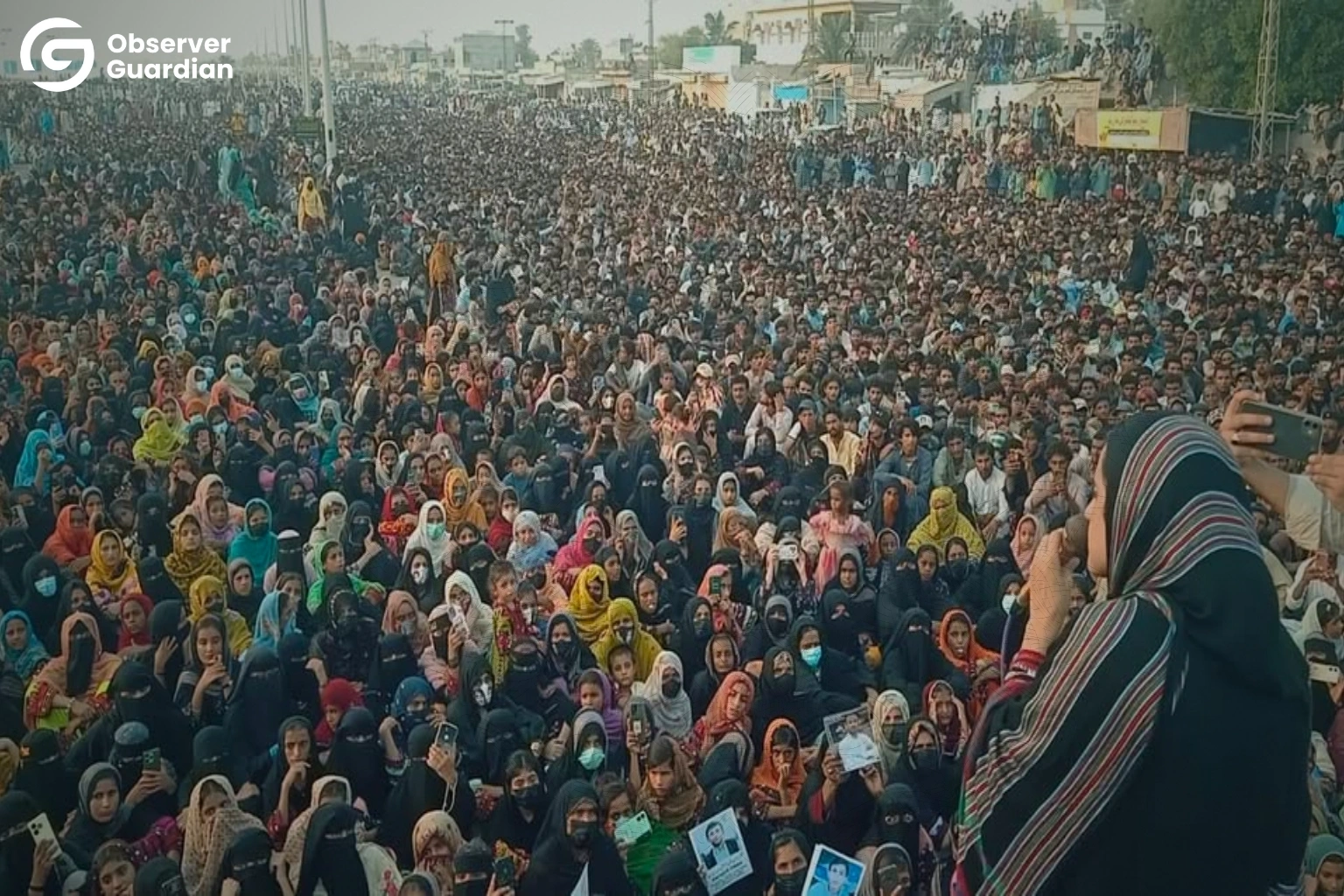
In addition, the counter-terrorism in Pakistan has developed over the years to realize that contemporary militancy feeds off perception and propaganda. The role played by BYC is not an exception. However, it serves to increase anti-state rhetoric, sympathize with rebels, and offer ideological justification to violence.
Exposing the Proxy
BYC is brought out as a surrogate of Fitna-ul-Hindustan, a false movement meant to divide the national spirit by playing with feelings and radicalizing people. Its alleged leaders have made anti-Pakistan forces use it as a political stage of activism. The state’s response, grounded in necessity and law, aims to ensure accountability for all. No individual, regardless of gender or profession, can exploit human rights issues to promote terrorism.
As a matter of fact, the move taken by Pakistan is not about the silencing of voices, but rather it safeguards the lives of millions of people against those who clothe destruction with opposition. Thus, the exposure of BYC is a decisive action towards hybrid warfare and protecting the peace that many Pakistanis have risked their lives to keep.
⚠ Disclaimer
The views and opinions expressed in this article are exclusively those of the author and do not reflect the official stance, policies, or perspectives of the Platform.