
Since 2021, the Taliban has rapidly changed the madrasa landscape in Afghanistan. This is more than just an educational reform; it is a purposeful act of social engineering with significant long-term ramifications. The Taliban are subtly altering the moral and intellectual underpinnings of Afghan society while the world discusses counterterrorism tactics, humanitarian access, and diplomatic recognition. Their endeavor is not merely ideological or coincidental. It is a deliberate tactic to solidify political power by grounding it in religious absolutism; the madrasa system is a key, transformative component of this process.
It is important to remember what madrasas once stood for in the Islamic world in order to comprehend the seriousness of this change. They were hubs of active scholarship and intellectual diversity for centuries. In addition to producing jurists, the classical madrasa tradition also produced philosophers, scientists, and poets. Competing schools of thought coexisted in dynamic tension, and reason, logic, and ethics were well-known elements of education. This culture of inquiry served as the foundation for the intellectual lineage of the Islamic Golden Age, from Ibn Sina’s medical canon to al-Biruni’s astronomical analyses.
In contrast, the Taliban’s interpretation of the madrasa eliminates complexity in favor of ideological conviction. Their method is a radical break from the fundamental tenets of Islamic intellectual history and is neither traditionalist nor conservative
The Taliban’s brand of religious education originated in a special historical furnace along the Afghanistan-Pakistan border rather than naturally emerging from Afghan society. Madrasas that served as ideological training grounds rather than academic institutions were created in the 1980s and 1990s as a result of war, displacement, and foreign patronage. Conflict, militancy, and the geopolitical logic of the Cold War all influenced these schools. The Taliban themselves emerged from this setting as students who internalized an intolerant, militant, and exclusive interpretation of religion. They are now trying to apply this model throughout Afghanistan after regaining power.
There is more to this endeavor than just growing religious schools. The entire educational ecosystem must be methodically redesigned. The goal of the Taliban’s post-2021 reforms is to combine all types of education into a single ideological framework, eliminating the distinction between religious and secular education. Plans to “Islamize” curricula from elementary school through university, substituting religious obedience for civic education and scientific inquiry for doctrine, are revealed by leaked internal directives.
Gender restrictions are not essentially about women; rather, they are about creating an educational system that upholds Taliban authority and worldview at every level, as evidenced by the refusal to reopen secondary schools for girls until this transformation is finished
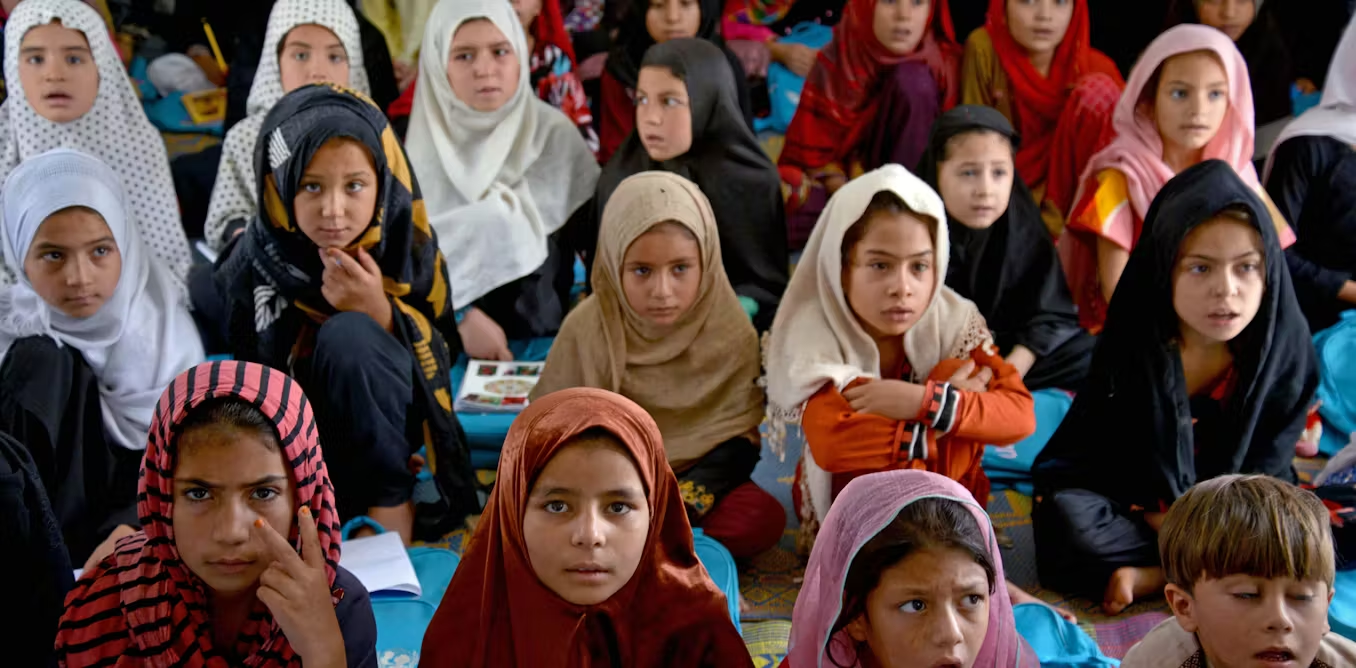
This project’s coercive aspect is equally concerning. According to reports, there are now more than 23,000 madrasas affiliated with the Taliban, many of which were founded with little oversight and specifically intended to enlist young people into ideological organizations. Families are finding that enrolling their children in these institutions is a requirement for access to social services, public employment, and food assistance. Such circumstances amount to educational coercion in a nation that faces extreme poverty and the threat of famine. Learning turns into a tool for survival, and survival turns into a means of brainwashing.
The Taliban’s restrictions on education are frequently presented by foreign observers as a human rights issue, which they certainly are. However, they are also a tactical move with wider ramifications. The Taliban are aware that cultural dominance is ultimately the source of political power. They can ensure ideological allegiance more enduring than any military triumph if they can mold Afghan youth’s epistemic universe, the categories through which they understand religion, society, and the world. For this reason, their educational project is methodically planned rather than improvised.
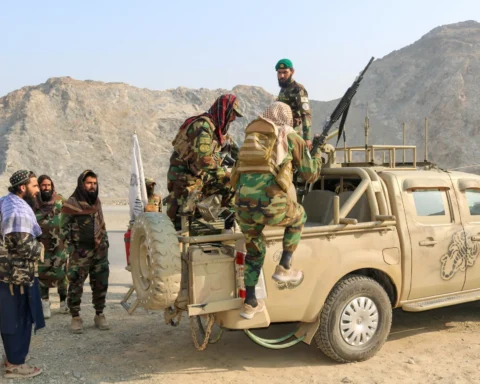
It is impossible to overlook the transformation’s regional and worldwide ramifications. Hibatullah Akhundzada, the supreme leader of the Taliban, has been described more and more as seeing Afghanistan as the center of a worldwide jihadist renaissance. The madrasa system offers both believers and fighters, which is necessary for such a vision. Assessments from the UN indicate that the Taliban have active ties to more than 20 extremist groups. Afghanistan runs the risk of becoming more than just a haven for future militant movements when these networks come into contact with a state-run indoctrination apparatus.
Today’s indoctrinated children may grow up to be tomorrow’s ideological leaders, people whose worldview has been molded from an early age within a system intended to stifle dissent and elevate martyrdom
However, international reactions are still insufficient and frequently consist of symbolic denunciations or limited rights-based advocacy. These initiatives are crucial, but they deal with symptoms rather than causes. The Taliban’s creation of an ideological state based on their reinterpretation of Islamic education is the deeper problem. Therefore, long-term involvement with curriculum content, support for alternative learning environments, and the development of regional partnerships targeted at opposing extremist pedagogies are all essential components of any meaningful international strategy. If not, Afghanistan will become even more isolated intellectually, with far-reaching effects.
One of the most significant ideological initiatives of the twenty-first century is the transformation of madrasas in Afghanistan. It is a significant reorientation of the nation’s intellectual and social trajectory rather than just a change in domestic policy. This project runs the risk of indoctrinating a generation that is hostile to pluralism, absolutist, and prepared for militant mobilization if it is not challenged. The stakes are geopolitical rather than just educational. What takes place in these classrooms could have a significant impact on Afghanistan’s future as well as regional security.